SE01-530 SE01-530 |
A WSPC Reference on Biomineralization, 3-Vols/Set. |
| |
Peter Fratzl/ 9789819829712/ Price:US$ 1280.00
|
| |
|
|
|
|
| |
|
| SE01-530 |
Cytochrome c Oxidase: A Treasure Trove in Revealing Neuronal Properties from Systems to Molecules |
| |
Margaret T.T. Wong-Riley/ 9781032825922/ Price:GBP 145.99
|
| |
|
|
|
|
| |
|
| SE01-530 |
AI and Big Data Sciences for Bioinformatics and Systems Medicine |
| |
Jiajia Liu/ 9789819814282/ Price:US$ 178.00
|
| |
|
|
|
|
| |
|
| SE01-530 |
Eclipsed Horizons: Unveiling the Dark Genome |
| |
Sudhakaran Prabakaran/ 9781800619869/ Price:US$ 48.00
|
| |
|
|
|
|
| |
|
| SE01-530 |
Gene Transfer, Genome Editing and Gene Therapy: Principles and Strategies |
| |
Daniel Scherman/ 9781800617520/ Price:US$ 88.00
|
| |
|
|
|
|
| |
|
| SE01-530 |
Innovative Therapeutic Approaches by Crispr/CAS9 in Cancer Therapy |
| |
Kiavash Hushmandi/ 9789819826742/ Price:US$ 168.00
|
| |
|
|
|
|
| |
|
| SE01-530 |
The Handbook of Electrophysiology: A Practical Guide for Neurophysiologists |
| |
Ian Duguid/ 9789819813759/ Price:US$ 198.00
|
| |
|
|
|
|
| |
|
| SE01-530 |
RNA Synthetic Biology: Fundamentals and Applications |
| |
Vijai Singh/ 9781032660806/ Price:GBP 124.99
|
| |
|
|
|
|
| |
|
| SE01-530 |
From Molecules to the Biochemistry of Cells: Fundamentals of Biology 1 |
| |
Julia A. Vorholt/ 9781032518367/ Price:GBP 55.99
|
| |
|
|
|
|
| |
|
| SE01-530 |
Human Evolutionary Genetics |
| |
Mark Jobling/ 9780815345633/ Price:GBP 73.99
|
| |
|
|
|
|
| |
|
| SE01-529 |
Practical Bioinformatics |
| |
Michael Agostino/ 9781032610627/ Price:GBP 55.99
|
| |
|
|
|
|
| |
|
| SE01-529 |
Microfluidic Technologies for Cell Analysis and Beyond |
| |
Zongjie (Daniel) Wang/ 9781032862392/ Price:GBP 171.99
|
| |
|
|
|
|
| |
|
| SE01-529 |
Bioinformatics of Autoimmune Diseases |
| |
Hamid D. Ismail/ 9781041166115/ Price:GBP 87.99
|
| |
|
|
|
|
| |
|
| SE01-529 |
Principles of Biology Volume 1: Foundations of Life and Cellular Systems |
| |
Snigdha Singh/ 9781779568502/ Price:US$ 190.00
|
| |
|

|
Biology explores life from molecules to cells, revealing the principles that govern living systems. Volume 1 focuses on cellular structure and function, molecular genetics, metabolism and the regulatory networks that sustain organisms. Clear explanations of experimental evidence, microscopy images and pathway diagrams build conceptual understanding. Problem sets, lab exercises and conceptual summaries reinforce critical thinking and scientific reasoning. The text emphasizes how cellular processes relate to health, biotechnology and research methods. It is aimed at undergraduates and anyone seeking a rigorous introduction to modern cell biology. |
| |
|
| SE01-529 |
Principles of Biology Volume 2: Evolution, Diversity, and the Biology of Organisms |
| |
Snigdha Singh/ 9781779568519/ Price:US$ 190.00
|
| |
|
|
|
Life’s diversity is shaped by evolutionary forces acting across populations, species and ecosystems. Volume 2 covers evolution, phylogeny, organismal biology and comparative physiology across plants, animals and microbes. Chapters integrate ecology, adaptation and developmental biology to explain organismal form and function. Field and lab exercises, cladograms and real-world examples connect theory to observation. The book highlights how evolutionary thinking underpins conservation, agriculture and medicine. It is written for undergraduate students and readers exploring the breadth of biological sciences. |
| |
|
| SE01-528 |
Astrocytes: Wiring the Brain |
| |
Eliana Scemes/ 9781032756165/ Price:GBP 187.99
|
| |
|
|
|
| |
|
| SE01-528 |
Microbial Biofilm Dynamics: Contemporary Approaches, Models and Analytical Tools |
| |
Ashutosh Kumar Shukla/ 9781032819938/ Price:GBP 124.99
|
| |
|
|
|
| |
|
| |
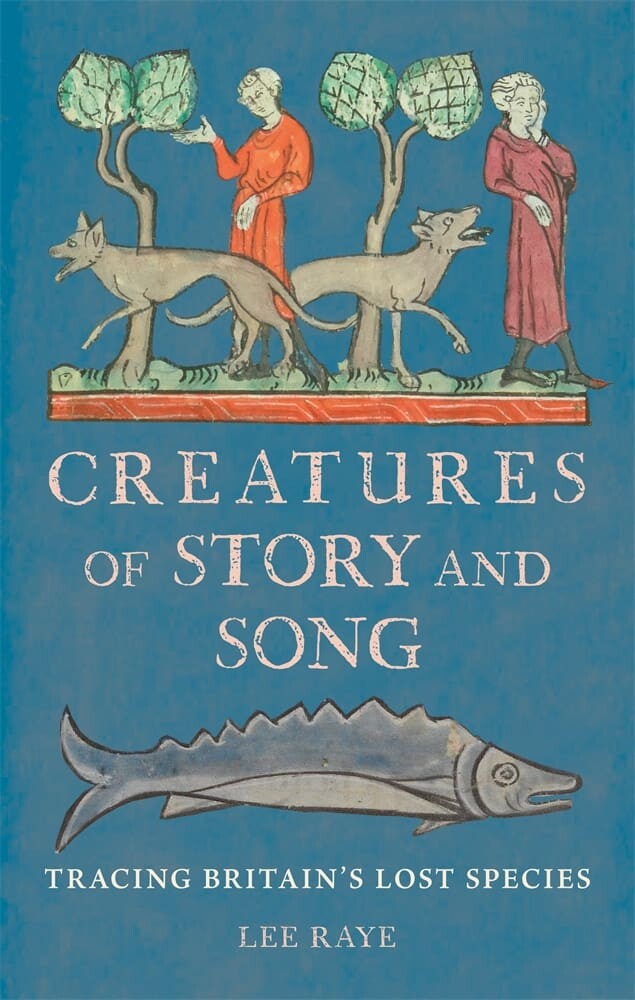
Creatures of Story and Song: Tracing Britain's Lost Species |
| |
Lee Raye/ 9781836392729/ Price:GBP 16.95
|
| |
|
|
Discover why a beaver was said to bite off its own testicles, why the baleen of a right whale was prized by medieval knights or why you should give your crush the gift of a great auk.
Creatures of Story and Song pieces together evocative legends, poems and historical accounts from a thousand years of history to remember fourteen of Britain’s extinct creatures. More than merely charting their demise, this book explores the rich legacy that such creatures as the eagle, boar and wolf left on our cultural landscape, and sheds light on what it was like to live alongside them. As some, like the beaver, look set for a comeback, Lee Raye’s book offers curious readers charming context on these animals’ ancestors. |
| |
|
| VE01-100 |
Effective Techniques for Bioinformatic Exploration (9798369366493) |
| |
Paulo Fazendeiro/ IGI97966493/ Price:US$ 220.00
|
| |
|

|
The field of biology and technology is constantly changing and growing. However, the abundance and intricacy of biological data present significant challenges for researchers, educators, and students. Deciphering this vast sea of information to extract meaningful insights can be difficult. Traditional approaches often fail to provide comprehensive solutions to these intricate problems, leaving many struggling to navigate the complexities of bioinformatics.
Effective Techniques for Bioinformatic Exploration brings new clarity to the world of bioinformatics, offering a comprehensive solution to the challenges scholars face. Through its meticulously crafted chapters, this book provides a structured approach to understanding and applying bioinformatics principles. Bridging the gap between theory and practice equips readers with the tools needed to tackle complex biological problems effectively. Whether delving into genomics, proteomics, or machine learning models, this book offers a roadmap for success. This book empowers readers to overcome challenges and make meaningful contributions to the field by embracing the scientific method and showcasing the practical application of bioinformatics techniques.
Coverage:
The many academic areas covered in this publication include, but are not limited to:
•Alignments
•Best Practices for Validating in Silico Approaches
•Bioinformatics
•Deep Learning
•Docking and Molecular Dynamics
•Genomics
•Image Processing
•Integration of Databases
•Interatomic
•Latent Information
•Machine Learning Models
•Metabolomics
•Natural Language Processing
•Phylogenetics
•Proteomics
|
| |
|
| SE01-530 |
Fighting the Virus: How Disease Modeling Can Enhance Cybersecurity |
| |
Marc Mangel/ 9789811287565/ Price:US$ 108.00
|
| |
|
|
|
|
| |
|
| SE01-530 |
Autophagy, Apoptosis and Ferroptosis in Oncology: Cell Death and Cancer |
| |
Kiavash Hushmandi/ 9789811299315/ Price:US$ 298.00
|
| |
|
|
|
|
| |
|
| SE01-530 |
Approaches of Computational Biophysics and Chemistry in Molecular Biology |
| |
Emil Alexov/ 9789819808182/ Price:US$ 138.00
|
| |
|
|
|
|
| |
|
| SE01-530 |
Handbook of Carbon Nanomaterials (Volumes 11 & 12), 2-Vols |
| |
Daniel A Heller/ 9789819809875/ Price:US$ 340.00
|
| |
|
|
|
|
| |
|
| SE01-530 |
Notebook on Structural Biology Techniques: Study Guide for Practitioners |
| |
Ipsita Banerjee/ 9789811296529/ Price:US$ 98.00
|
| |
|
|
|
|
| |
|
| SE01-530 |
Introduction to the Neurophysiology of Movement |
| |
Andrew J Fuglevand/ 9789819813957/ Price:US$ 68.00
|
| |
|
|
|
|
| |
|
| SE01-526 |
Cellular Communication: Signal Transduction Pathways |
| |
Jack Green/ 9781837400409/ Price:US$ 190.00
|
| |
|
|
Signal transduction pathways govern how cells communicate with their environment and respond to external stimuli, a process essential for maintaining homeostasis. This book examines key pathways like GPCR signaling, MAP kinase cascades, and calcium signaling, highlighting their roles in cellular responses. It explains how dysregulation of these pathways contributes to diseases like diabetes, cancer, and autoimmune disorders. The text integrates molecular mechanisms with clinical implications, providing readers with a comprehensive understanding of cellular communication. |
| |
|
| SE01-526 |
The Cell: Fundamentals of Life |
| |
Victoria Nguyen/ 9781837400379/ Price:US$ 190.00
|
| |
|

|
Cells are the fundamental units of life, encompassing complex biochemical processes that sustain growth, reproduction, and survival. This book introduces the principles of cellular biology, covering topics such as membrane structure, organelles, and cellular communication. It serves as a foundational text for understanding biology, physiology, and related disciplines. |
| |
|
| SE01-524 |
Handbook of Applied Microbiology |
| |
Dnyaneshwar M. Pawar/ 9781779563637/ Price:US$ 175.00
|
| |
|
|
|
| |
|
| SE01-524 |
Microbial Physiology |
| |
Esha Rami/ 9781779563651/ Price:US$ 175.00
|
| |
|
|
Microbial Physiology is a comprehensive book that explores the fundamental physiological processes of microorganisms. It is an important knowledge resource for students and researchers in microbiology, biotechnology, and related fields, as it delves into how microorganisms grow, metabolize nutrients, regulate gene expression, and respond to environmental stresses. This book is foundational for students in microbiology as it connects Introduction to Microbial Physiology, Lactic Acid Bacteria, Rhizosphere and Microbe, Physiology of Fungi, Microbial Physiology and Plant Stress, Metabolism and Physiology and Microbes in Bioremediation. This book is an excellent resource for learning the essentials of Microbial physiology. |
| |
|
| SE01-524 |
The Grandeur of Nature-Its Biodiversity Across |
| |
Prerna Pandey/ 9781779563491/ Price:US$ 175.00
|
| |
|
|
This book on biodiversity encompasses concepts and research findings on this topic. The CBD or Convention on Biological Diversity defines biological diversity as “the variability among living organisms from all sources including, inter alia, terrestrial, marine, and other aquatic ecosystems and the ecological complexes of which they are part: this includes diversity within species, between species, and of ecosystems.” This book comes at a time when the threats to biodiversity are enormous given the extensive destruction of nature under the name of “development.” In addition to statistics, interesting organisms and facts with research findings, this book also briefly covers the threats and solutions to mitigate the threats. |
| |
|
| SE01-524 |
Biology of Organisms and Environments |
| |
Oliver Lewis/ 9781984695802/ Price:US$ 110.00
|
| |
|
|
Focuses on the study of organisms and their interactions with their environments.
Discusses topics such as adaptation, ecological roles, and environmental impacts on biological systems.
Highlights the role of biological research in understanding and managing ecosystems. |
| |
|
| SE01-524 |
Environmental Microbiology |
| |
Violet Harris/ 9781984695734/ Price:US$ 110.00
|
| |
|
|
Examines the role of microorganisms in environmental processes and their impact on ecosystems.
Discusses topics such as microbial interactions, bioremediation, and environmental monitoring.
Highlights the importance of environmental microbiology in addressing environmental challenges and promoting sustainability. |
| |
|
| SE01-524 |
Understanding Biological Systems |
| |
Emily Stewart/ 9781984695796/ Price:US$ 110.00
|
| |
|
|
Provides an overview of biological systems, including the structure, function, and interactions of living organisms.
Discusses key concepts in biology, such as cellular processes, genetics, and ecological relationships.
Highlights the importance of understanding biological systems for advancing scientific research and applications. |
| |
|
| SE01-524 |
Blood Parasites: Taxonomy, Ecoparasitism, Pathobiology and Control |
| |
Neelima Gupta/ 9781779563460/ Price:US$ 175.00
|
| |
|
|
Blood parasites significantly impact the health of humans, animals, and ecosystems, posing challenges to public health and veterinary sciences. This book provides an in-depth exploration of blood parasite taxonomy, their ecological relationships, and pathobiological effects. It covers parasite life cycles, host interactions, and the latest advances in diagnosis and treatment, highlighting control measures and prevention strategies in diverse settings. This book is an essential resource for researchers, healthcare professionals, and students in parasitology and infectious diseases. |
| |
|
| SE01-524 |
Cell of the Blood |
| |
ShivSanjeevi Sripathi/ 9781779563507/ Price:US$ 175.00
|
| |
|
|
This book covers the essentials of a few types of blood cells and goes on to discuss the number of these cells both under healthy conditions and during disease (can we say in sickness and health?). Results from research papers have been shared to enable a reader to see that the data is backed by actual findings. An important aspect is then covered-blood transfusion. This becomes very important in today’s scenario given the pandemic. In fact, the Red Cross issued a statement of dire shortage during the pandemic, which seems to have spilled over after the pandemic. Many of these chapters have included the relevance of artificial intelligence (AI) given the booming interest and emergence of this field. |
| |
|
| SE01-524 |
Climate Change and Diseases |
| |
Pralhad Jaybhaye/ 9781779563576/ Price:US$ 175.00
|
| |
|

|
This book provides a foundational overview of climate change, focusing on its impact on natural systems, human activities, and diseases. It discusses key natural variables influencing the Earths climate, such as greenhouse gases, Earth’s orbital variations, and solar radiation, which have shaped temperatures over millennia. However, recent decades have seen accelerated changes largely driven by human activities, particularly fossil fuel combustion and industrial agriculture, resulting in increased carbon dioxide, methane, and nitrous oxide emissions. These emissions contribute to global warming and ocean deoxygenation, which affect aquatic life by altering species metabolism, growth, reproduction, and survival. Adaptation strategies, like modifying agriculture and constructing coastal defenses, offer temporary relief, but significant change depends on mitigation measures such as geoengineering. This book is designed as an introductory resource for students interested in climate change research, with an emphasis on the intersection of climate change and disease dynamics. |
| |
|
| SE01-524 |
Economic Microbiology |
| |
Esha Rami/ 9781779563644/ Price:US$ 175.00
|
| |
|
|
|
The book “Economic Microbiology” delves into the economic implications of microbial processes, exploring how microorganisms contribute to industrial production. The book comprises ten chapters, each examining a specific product or process with substantial industrial relevance. Chapter 1 introduces the production of primary microbial metabolites, emphasizing their economic roles. Chapters 2 through 4 cover acetone-butanol fermentation, organic acids, and acetic acid, exploring their biochemical pathways, industrial applications, and economic significance. Chapter 5 focuses on nucleotides and their uses in pharmaceuticals and food, while Chapter 6 discusses microbial production of amino acids, essential in various sectors. Chapter 7 investigates lipids and fatty acids, highlighting microbial synthesis and applications. Chapters 8 and 9 explore microbial vitamin production and polysaccharides, showcasing their industrial roles and economic importance. The final chapter examines polyhydroxy alcohols produced by osmotolerant yeasts. This interdisciplinary approach connects microbiology and economic theory, illustrating how microbial processes fulfill economic objectives through resource-efficient, industrial applications.This book serves as a resource for students, researchers, and industry professionals interested in harnessing microbial processes to improve economic productivity and address global challenges sustainably. |
| |
|
| SE01-524 |
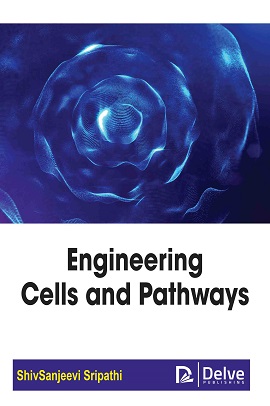
Engineering Cells and Pathways |
| |
ShivSanjeevi Sripathi/ 9781779563514/ Price:US$ 175.00
|
| |
|
|
Metabolic engineering is the actual engineering of metabolism-the reactions that sustain life. This book covers the need for cell engineering by starting off with several applications of plants and microbes followed by the approaches. The application of artificial intelligence(AI) and machine learning(ML) in this field, along with case studies, has also been covered. This becomes pertinent given the entry of this field in almost all aspects of living! Several examples of metabolic engineering have been covered to enable a reader to be aware of the concepts and developments. |
| |
|
| SE01-524 |
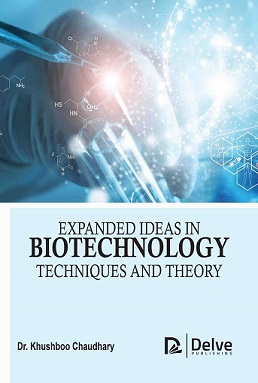
Expanded Ideas in Biotechnology: Techniques and Theory |
| |
Khushboo Chaudhary/ 9781779563590/ Price:US$ 175.00
|
| |
|
|
This book explores the revolutionary advancements in biotechnology, including gene editing, bioengineering, and synthetic biology. It provides theoretical concepts and practical applications that address global challenges in healthcare, agriculture, and environmental conservation. Aimed at researchers, students, and industry professionals, it emphasizes modern techniques like CRISPR and bioinformatics. It highlights real-world applications and innovations. With its comprehensive coverage, the book is an essential guide for mastering contemporary biotechnology. |
| |
|
| SE01-524 |
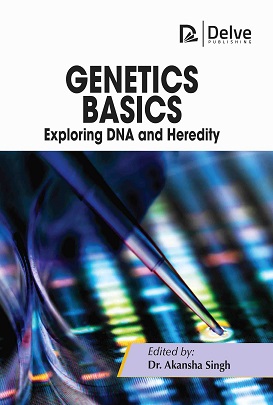
Genetics Basics: Exploring DNA and Heredity |
| |
Akansha Singh/ 9781774699331/ Price:US$ 175.00
|
| |
|
|
The book "Genetics Basics: Exploring DNA & Heredity" offers an engaging and comprehensive introduction to the fundamental principles of genetics, tailored for students, enthusiasts, and professionals in the field of genetics. The book begins by tracing the historical milestones and key figures that have shaped the field of genetics, highlighting how the study of heredity has transformed our understanding of life. It delves into the structure and function of DNA, elucidating the double-helix model and the role of nucleotides as the blueprint of life. The principles of heredity are explored through Mendelian genetics, including dominant and recessive traits, followed by an examination of more complex genetic phenomena such as codominance, incomplete dominance, and sex-linked inheritance. The genetic code is unpacked, detailing the processes of transcription and translation that convert DNA information into functional proteins. Additionally, the book addresses gene mutations, their impact on genetic diversity, and the mechanisms of DNA repair that maintain genetic stability. The final chapters connect genetics to the cell cycle, illustrating how genetic information is accurately transmitted during cell division. Overall, this book serves as a foundational resource, demystifying the complexities of genetics and fostering a deeper appreciation for the genetic mechanisms that underpin biological diversity and inheritance. |
| |
|
| SE01-523 |
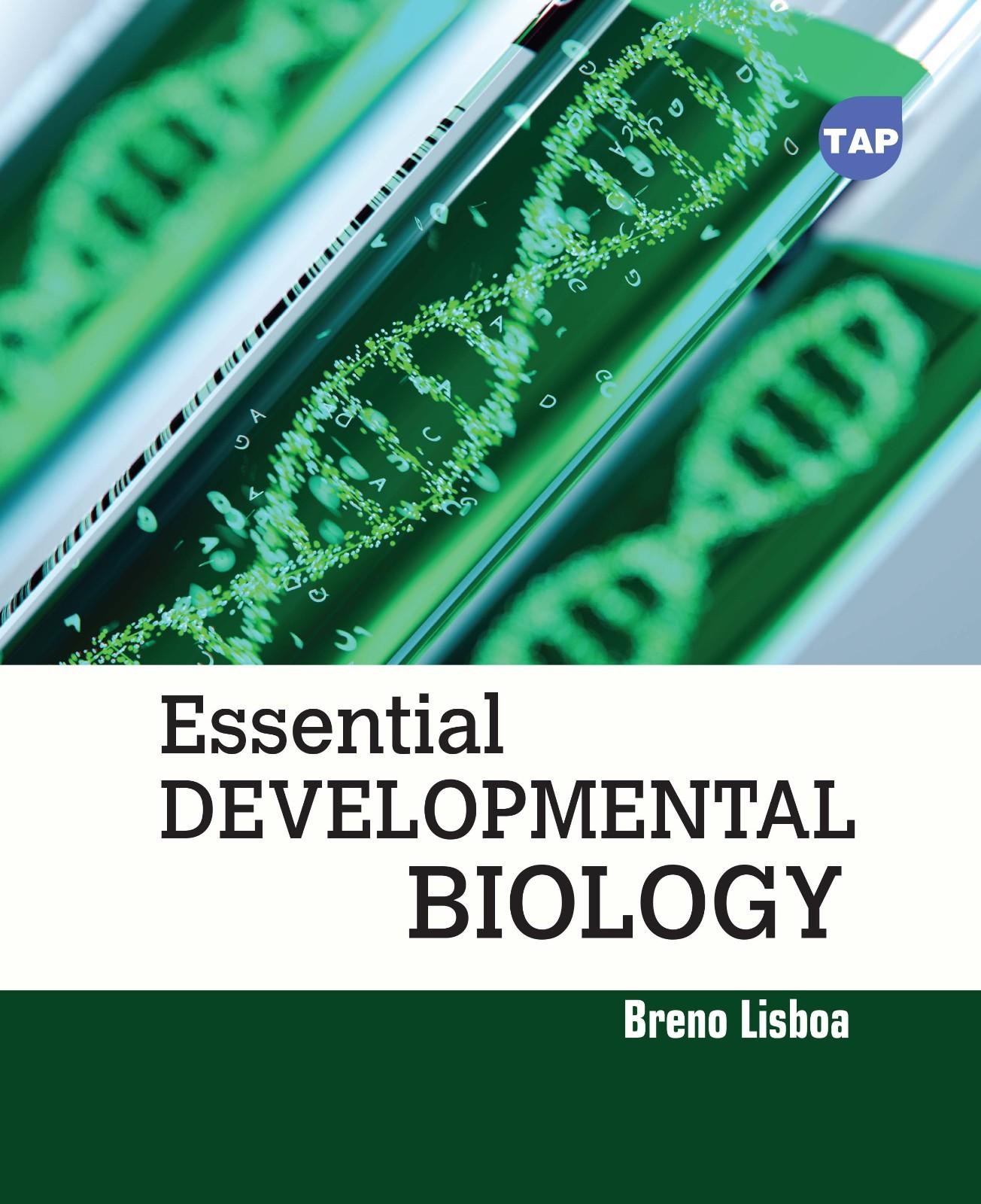
Essential Developmental Biology |
| |
Breno Lisboa/ 9781779563293/ Price:US$ 120.00
|
| |
|
|
This book provides a comprehensive overview of the principles and mechanisms underlying animal and plant development. It covers key processes such as fertilization, cell differentiation, morphogenesis, and organogenesis. The book integrates genetic, molecular, and cellular approaches to study development, highlighting model organisms and experimental techniques. Designed for undergraduate and graduate students, it aims to connect developmental biology with other disciplines such as genetics and evolution. Supplementary materials include problem sets, lab exercises, and access to online animations and simulations. |
| |
|
| SE01-523 |
Basic Virology |
| |
Natassia Correa/ 9781779563279/ Price:US$ 120.00
|
| |
|
|
This book provides a comprehensive introduction to the field of virology, focusing on the biology of viruses and their interactions with host cells. It covers viral structure, replication, pathogenesis, and immune responses to viral infections. The book also examines the epidemiology of viral diseases and strategies for their prevention and treatment, including vaccines and antiviral drugs. Designed for undergraduate and graduate students, it integrates molecular and clinical perspectives to enhance understanding. Supplementary resources include problem sets, case studies, and access to interactive online content. |
| |
|
| SE01-523 |
An Introduction to Molecular Biotechnology |
| |
Natassia Correa/ 9781779563262/ Price:US$ 120.00
|
| |
|
|
This book aims to introduce students to the field of molecular biotechnology, emphasizing the principles and applications of recombinant DNA technology. It covers gene cloning, expression systems, and the production of biopharmaceuticals. The book also deals into genomics, proteomics, and bioinformatics, highlighting their roles in biotechnology. Ethical, regulatory, and commercial aspects of biotechnology are discussed to provide a well-rounded perspective. Designed for undergraduate and graduate students, it combines theoretical knowledge with practical insights from industry. Supplementary materials include laboratory exercises, case studies, and access to online resources. |
| |
|
| SE01-523 |
Concepts of Genetics |
| |
Breno Lisboa/ 9781779562975/ Price:US$ 120.00
|
| |
|
|
This book provides a thorough understanding of the fundamental concepts and principles of genetics. It covers a wide range of topics including the molecular basis of inheritance, gene expression and regulation, genetic variation, and the principles of genetic analysis. The content is structured to guide readers from basic concepts to more advanced topics, ensuring a comprehensive grasp of both classical and modern genetics. Real-world examples and case studies are included to illustrate the application of genetic principles in fields such as medicine, agriculture, and biotechnology. |
| |
|
| SE01-523 |
Introduction to Biotechnology |
| |
Natassia Correa/ 9781779562920/ Price:US$ 120.00
|
| |
|
|
This book is designed to introduce students to the dynamic field of biotechnology, encompassing its historical development, foundational principles, and diverse applications. It covers areas such as genetic engineering, molecular biology, bioprocessing, and bioinformatics. The content emphasizes the role of biotechnology in agriculture, medicine, and environmental science, providing insights into both the scientific techniques and ethical considerations. Through detailed explanations and practical examples, readers will gain a solid understanding of how biotechnology is transforming various sectors and impacting society. |
| |
|
| SE01-523 |
Fundamentals of Cell and Molecular Biology |
| |
Willow Adams/ 9781682511374/ Price:US$ 130.00
|
| |
|
|
|
Cell and molecular biology explore the structure, function, and behavior of cells at the molecular level, which is fundamental to understanding the mechanisms of life. This book covers key topics in cell biology, including cell structure, cellular processes, molecular genetics, and biochemistry. It is designed for biology students and professionals seeking a comprehensive understanding of cellular functions and molecular interactions. This book provides detailed explanations, illustrative diagrams, and research-based insights, offering a deep dive into the molecular machinery of life. |
| |
|
| SE01-523 |
Fundamentals of Biology |
| |
Vaughn Green/ 9781682511367/ Price:US$ 130.00
|
| |
|

|
Biology is the scientific study of life and living organisms, encompassing a wide range of subfields such as genetics, evolution, ecology, and physiology. This book provides an introduction to the fundamental concepts of biology, including cell structure and function, genetics, evolution, and ecosystems. It is designed for high school and undergraduate students, offering clear explanations, vivid illustrations, and interactive exercises. This book aims to build a solid foundation in biological sciences, preparing students for advanced studies in various biological and health-related fields. |
| |
|
| VE01-99 |
Applying Machine Learning Techniques to Bioinformatics: Few-Shot and Zero-Shot Methods (9798369318225) |
| |
Umesh Kumar Lilhore/ IGI97918225/ Price:US$ 375.00
|
| |
|
|
The solution to this issue lies within the pages of Applying Machine Learning Techniques to Bioinformatics. This book serves as a powerful resource, offering a comprehensive analysis of how these emerging disciplines can be effectively applied to the realm of biological research. By addressing these challenges and providing in-depth case studies and practical implementations, the book equips researchers, scientists, and curious minds with the knowledge and techniques needed to navigate the ever-changing landscape of bioinformatics and machine learning within the biological sciences.
Designed for academic scholars and practitioners, as well as upper-level undergraduates and graduates seeking to expand their knowledge, this book is a must-read for anyone passionate about the intersection of data science and human biology. Healthcare professionals, biotechnologists, and academics alike will find this resource invaluable for advancing their understanding and capabilities in the dynamic field of bioinformatics.
Coverage:
The many academic areas covered in this publication include, but are not limited to:
•Academic Scholars
•Bioinformatics
•Biological Research
•Biological Sciences
•Biomarker Identification
•Complex Biological Challenges
•Comprehensive Analysis
•Critical Insights
•Data Science Techniques
•Emerging Disciplines
•Few-Shot Learning
•Full Potential
•In-Depth Case Studies
•Personalized Medicine |
| |
|
| SE01-517 |
Introduction to Sociobiology |
| |
Ravi Ranjan Kumar/ 9781774698556/ Price:US$ 175.00
|
| |
|

|
The aim of the book "Introduction to Sociobiology" is to provide readers with a comprehensive understanding of the fascinating field of sociobiology. This thought-provoking book delves into the intricate relationship between biology and social behavior, exploring how genetics and evolution shape the social dynamics of various species, including humans. Through a combination of scientific research and captivating examples, this book aims to unravel the mysteries of why organisms behave the way they do, illuminating the underlying biological mechanisms that influence social interactions, cooperation, and conflict. By the end, readers will gain a deeper appreciation for the interconnectedness of biology and society, paving the way for a more holistic understanding of human behavior. |
| |
|
| SE01-517 |
Gene Studies in Biology |
| |
Vijay Upadhe/ 9781774698624/ Price:US$ 175.00
|
| |
|
|
The book provides a comprehensive overview of genetics and epigenetics. Genetics is indeed a crucial aspect of understanding life and how various organisms. However, many biological processes go beyond traditional genetic mutations and are controlled by epigenetic mechanisms, which play a significant role in regulating gene expression and various cellular functions. Hence, by combining genetics and epigenetics, the book offers a holistic understanding of the molecular mechanisms governing life and the factors influencing our health and well-being. Studying both genetics and epigenetics is vital for comprehending the intricacies of life processes and provides valuable insights into potential therapies for various diseases. Overall, the book provides essential resource for anyone interested in delving into the fascinating world of genetics and epigenetics and understanding how these fields impact human survival and other life forms with which we interact. |
| |
|
| SE01-517 |
Essentials of Bioinformatics: An Introduction for Undergraduates |
| |
Akansha Singh/ 9781774698013/ Price:US$ 175.00
|
| |
|
|
Over the course of the last few decades, the incorporation of genetics, genomics, proteomics, and statistics into the field of bioinformatics has had a significant impact on both the field of biology and the field of medicine. The primary application for it is in assisting with the modeling, forecasting, and analysis of enormous amounts of multidimensional biological data utilizing the most recent and cutting-edge computational technologies. The majority of life science students and researchers do not have the skills necessary to make effective use of this sophisticated technology, which is why bioinformatics is not yet widely incorporated in academic courses despite the fact that it holds enormous promise. This book was written after realizing that there was a void in the market for a resource that could provide students and researchers with prior knowledge of the biosciences with a place to begin their studies. The book is an excellent resource that students and young professionals can use in their pursuit of knowledge on this ever-changing topic. |
| |
|
| SE01-517 |
Introduction to the Study of Macromolecules |
| |
Kiran Abasaheb More/ 9781774698631/ Price:US$ 175.00
|
| |
|
|
This book comprehensively covers various topics related to Macromolecules. It introduces specific macromolecules, discussing their structure and functions. The book includes in-depth discussions on cisplatin derivatives as antiviral agents, synthetic versatility and structural modulation of organometallic polymers, plant macromolecules, functional applications, solid-state macromolecules, and advancements in high-temperature network polymers of Carboranylenesiloxanes and Silarylene Siloxades. The chapters provide insights into fundamental macromolecule concepts, their biological and antiviral properties, structure-function relationships, and applications in biomaterials and wound healing. The book explores the practical uses of macromolecules in fields like material science, life science, and pharmaceutical chemistry. This book is meant for researchers and scholars, aims to keep readers up-to-date with the latest information on macromolecules. It serves as a comprehensive reference for scholars across various disciplines. |
| |
|
| SE01-517 |
The Details of a Cell Structure |
| |
Kiran Abasaheb More/ 9781774698648/ Price:US$ 175.00
|
| |
|
|
This book contains detail illustration about of Plant and animal cell ranging from history, origin, evolution theories of cell, various cell organelles and their functions. It is an excellent book for students, researchers and teacher. This book describes detail information about various processes of cell such as endocytosis, exocytosis, transcription and translation, Photosynthesis, oxidation of organic molecule, reductions of molecules. This book helps to understand diversity and Chemistry of cell. It also explains properties of Prokaryotic and Eukaryotic cell. Chapter 04 discuss in details about properties and functions of proteins. Discussion starts form amino acid, protein levels of structural organization, physicochemical properties of Protein, electrochemistry of protein to Hormones. Soul of cell is DNA and Chromosome. Chapter 04 focuses of DNA and Chromosome. Chapter 6 explains the catalysis and the use of energy by cells. While, chapter 7 and chapter describe in detail about plant cell and animal cell respectively. Over all this book makes informative and interesting reading. Any biologist who wishes to acquire a deep knowledge of the fundamentals of cell and its functions, he will find the concentrated and thorough knowledge presented here. |
| |
|
| SE01-517 |
Statistics with R for Microbiome Analysis: From Raw Reads to Relative Abundance |
| |
Mohsen Nady/ 9781774699027/ Price:US$ 175.00
|
| |
|
|
This book covers the necessary analysis steps for dealing with microbiome data. The microbial samples are sequenced into raw reads or fastq files. These raw reads should be quality checked to assure their quality per base or per read. Then, after removing the errors, we can infer their exact amplicon sequence variants (ASVs). After that, we taxonomically classify these sequences to represent the different taxonomy levels of species, genus, family, order, class, and phylum and generate a phylogenetic tree. Finally, the sequence data, the taxonomy table, phylogenetic tree, and sample data are combined in a single phyloseq object for ease of plotting, manipulation, and analysis of the different components of microbiome data. The final phyloseq object can also be cleaned for certain low prevalent sequences. All these steps are explained in R codes using a freely available microbiome data of 360 fecal samples. |
| |
|
| SE01-517 |
An Introduction to Living Cells: The Building Blocks of Life |
| |
Ramesh Chandra/ 9781774699324/ Price:US$ 175.00
|
| |
|

|
Targeted at biology undergraduates, this book covers themes such as cell structure, function, molecular biology, and the fundamental principles of cellular biology. It provides a foundational understanding of cellular biology, which is essential for students pursuing careers in the life sciences. Practitioners in biology and related fields deepen their knowledge of cellular processes, making it a valuable resource for professionals engaged in biological research and applications. Policymakers can draw from this knowledge to inform policies related to scientific research and education, and the general public gains insights into the fundamental building blocks of life and the role of cells in living organisms. |
| |
|
| SE01-517 |
Evolution Theory: Historical Background and Fundamentals |
| |
Vinay Kumar Singh/ 9781774699492/ Price:US$ 175.00
|
| |
|

|
The objective of the book "Evolution Theory: Historical Background and Fundamentals" is to provide readers with a comprehensive understanding of the historical context and fundamental principles of the theory of evolution. By delving into the origins and development of this groundbreaking scientific concept, the book aims to shed light on the contributions of influential scientists, the controversies surrounding evolutionary thought, and the evidence supporting this paradigm-shifting theory. Through a rigorous exploration of key concepts such as natural selection, adaptation, and genetic variation, readers will gain a deeper appreciation for the profound impact of evolution on our understanding of the natural world and the diversity of life on Earth. |
| |
|
| SE01-517 |
Microbial Biotechnology for Industrial Applications |
| |
Marti Cook/ 9781682519905/ Price:US$ 165.00
|
| |
|
|
Microbial biotechnology offers tremendous potential for industrial applications, enabling the production of biofuels, pharmaceuticals, and bioplastics. Through genetic engineering and fermentation processes, microbes can be optimized to efficiently produce desired compounds, reducing reliance on fossil fuels and minimizing environmental impact. This book explores the use of microorganisms in various industrial processes and their potential for biotechnological applications. |
| |
|
| SE01-517 |
Principles of Genetics and Genomics |
| |
Sarena Stupak/ 9781682519882/ Price:US$ 165.00
|
| |
|
|
Genetics is the study of genes, heredity, and genetic variation in living organisms. Genomics, on the other hand, focuses on the analysis of entire genomes, including genes, their interactions, and functions. The principles of genetics and genomics underpin advancements in fields such as personalized medicine, genetic engineering, and the understanding of inherited diseases. This book introduces the fundamental principles of genetics and genomics, exploring the inheritance of traits and the role of genes in biological processes. |
| |
|
| SE01-517 |
Conservation Biology: Foundations, Concepts, Applications |
| |
Winifred Hopkins/ 9781682519875/ Price:US$ 165.00
|
| |
|

|
Conservation biology focuses on understanding and preserving Earth's biodiversity and ecosystems. It involves studying the distribution and abundance of species, the impacts of human activities on the environment, and the development of strategies to protect endangered species and habitats. Conservation biologists collaborate with policymakers and local communities to implement sustainable practices and ensure the long-term survival of Earth's biodiversity. This book provides a comprehensive understanding of the principles and practices of conservation biology, including the conservation of biodiversity and ecosystems. |
| |
|
| SE01-517 |
General Biology |
| |
Ihsan Gadi/ 9781774697924/ Price:US$ 110.00
|
| |
|
|
|
General Biology is a comprehensive text that covers the fundamental principles of biology. It explores various topics including cell biology, genetics, ecology, evolution, and biodiversity. The book is written to provide students with a thorough understanding of the principles that underpin life on Earth. It is an essential resource for anyone looking to develop a strong foundation in the field of biology. |
| |
|
| SE01-517 |
Cell Biology |
| |
Ihsan Gadi/ 9781774697955/ Price:US$ 110.00
|
| |
|
|
|
The Cell Biology textbook covers the fundamental principles and concepts of cellular biology. The book explores the structure, function, and organization of cells, as well as the mechanisms of cell division, differentiation, and communication. It also covers the molecular biology of cells, including DNA replication, transcription, and translation. This book is an invaluable resource for understanding the complexities of cellular biology. |
| |
|
| SE01-517 |
Illustrated Dictionary of Biology |
| |
Alfred Shaw/ 9781984688156/ Price:US$ 65.00
|
| |
|
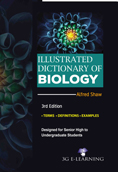
|
An indispensable resource, bridging the gap between complex biological concepts and accessible visual aids.
With its comprehensive definitions and stunning illustrations, it guides readers through the captivating world of biology.
Third edition of this dictionary incorporates many new definitions and a thorough revision of previous entries and an ideal resource for learners at all levels. |
| |
|
| SE01-517 |
The Diversity of Life |
| |
Hsieh Ming/ 9781984689009/ Price:US$ 95.00
|
| |
|
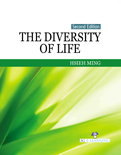
|
Presents a captivating exploration of Earth's astonishing array of organisms, offering a profound appreciation for the web of biodiversity that sustains our planet.
Through vivid storytelling and meticulous scientific insights, the book illuminates the beauty, complexity, and urgent need for conservation of life in all its forms.
In its updated edition, this book has been extensively revised on a chapter by chapter basis. Some new chapters are also added. |
| |
|
| SE01-517 |
Core Concepts in Biology: Immunology (with Access code) |
| |
Kaile Li/ 9781984689252/ Price:US$ 85.00
|
| |
|
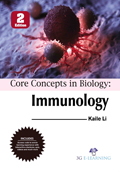
|
Intricate the world of the immune system, unraveling the fundamental principles and mechanisms that govern immune responses.
In its updated edition, this book has been extensively revised on a chapter by chapter basis. Some new chapters are also added.
With clear explanations and insightful examples, this book equips readers with a solid foundation in immunology, making it an invaluable resource for both students and enthusiasts in the field. |
| |
|
| SE01-517 |
Core Concepts in Biology: Microbiology (with Access code) |
| |
Kan Hung Cheng/ 9781984689269/ Price:US$ 85.00
|
| |
|
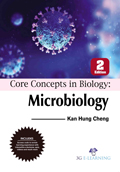
|
Presents the fascinating world of microorganisms, exploring their impact on the environment, human health, and various biological processes.
This book provides a concise and accessible overview of key concepts, making it an essential resource for students and enthusiasts seeking a deeper understanding of microbiology.
In its updated edition, this book has been extensively revised on a chapter by chapter basis. Some new chapters are also added. |
| |
|
| SE01-517 |
Core Concepts in Biology: Genetics (with Access code) |
| |
Kate Fickas/ 9781984689276/ Price:US$ 85.00
|
| |
|
|
An insightful exploration of the fundamental principles of genetics, offering a comprehensive understanding of this fascinating field.
With clear explanations and engaging examples, this book serves as an indispensable resource for students and enthusiasts alike.
In its updated edition, this book has been extensively revised on a chapter by chapter basis. Some new chapters are also added. |
| |
|
| SE01-517 |
Core Concepts in Biology: Molecular Biology (with Access code) |
| |
Katherine Floyd/ 9781984689283/ Price:US$ 85.00
|
| |
|
|
A comprehensive guide that delves into the intricate world of molecular biology, unraveling the fundamental principles and mechanisms that govern life at the molecular level.
With clear explanations and captivating examples, this book illuminates the key concepts that underpin our understanding of the fascinating molecular machinery within living organisms.
In its updated edition, this book has been extensively revised on a chapter by chapter basis. Some new chapters are also added. |
| |
|
| SE01-517 |
Foundations of Structural Biology |
| |
Murat Akten/ 9781984689788/ Price:US$ 95.00
|
| |
|
|
Covers the fundamental principles and techniques underlying the field.
From protein structures to molecular interactions, this book offers a deep exploration of the structural biology landscape.
Packed with insightful illustrations and concise explanations, it serves as an invaluable resource for both beginners and experienced researchers in the field. |
| |
|
| SE01-517 |
Illustrated Handbook of Biomineralization |
| |
Ryan shea/ 9781984690241/ Price:US$ 180.00
|
| |
|
|
Embark on a captivating journey into the realm of biomineralization, where living organisms create mineral structures with remarkable precision.
From shell formation to bone development, this handbook unveils the secrets behind nature's ability to construct complex mineralized tissues. |
| |
|
| SE01-517 |
Illustrated Handbook of Molecular Biology of B Cells |
| |
Saheed Akinola/ 9781984690258/ Price:US$ 180.00
|
| |
|
|
Delve into the intricacies of the molecular biology of B cells, unraveling the mechanisms behind their crucial role in the immune system.
From antibody production to immune response regulation, this handbook provides a comprehensive understanding of B cell biology. |
| |
|
| SE01-517 |
Illustrated Handbook of Structural Bioinformatics |
| |
Samira Buhrer/ 9781984690265/ Price:US$ 180.00
|
| |
|
|
Uncover the captivating field of structural bioinformatics, where computational approaches unravel the three-dimensional structures of biological macromolecules.
From protein folding to drug design, this handbook explores the fusion of computational algorithms and structural biology, revolutionizing our understanding of molecular interactions and paving the way for innovative therapeutic strategies. |
| |
|
| SE01-517 |
Basics of Human Biology |
| |
3G Editorial Board/ 9781984685728/ Price:US$ 70.00
|
| |
|
|
Provides an overview of the fundamental principles of human biology.
Includes various topics such as cells, tissues, organs, and systems, as well as genetics, evolution, and ecology.
It is an essential resource for anyone interested in understanding the workings of the human body. |
| |
|
| |
Multiple-Valued Computing in Quantum Molecular Biology: Arithmetic and Combinational Circuits |
| |
Hafiz Md. Hasan Babu/ 9781032464862/ Price:GBP 187.99
|
| |
|
|
|
|
| |
|
| VE01-98 |
Perspectives on Global Biodiversity Scenarios and Environmental Services in the 21st Century |
| |
Naveen Kumar Chourasia/ 9781668490358/ Price:US$ 235.00
|
| |
|

|
Perspectives on Global Biodiversity Scenarios and Environmental Services in the 21st Century makes biodiversity scenarios understandable, relevant, and valuable to stakeholders by using effective language and focused communication techniques. Instead of merely showing the potential effects of global change on biodiversity, scenarios should consider the feedback connecting environmental forces. Biodiversity provides numerous essential environmental services crucial to human well-being both now and in the future. The climate is a critical component of ecosystem functioning and directly and indirectly affects human health. The target audience includes biology and environmental science students and faculty, scientists, social workers who generate and collaborate on biodiversity scenarios, policymakers, and corporations with a basic science understanding.
Coverage:
The many academic areas covered in this publication include, but are not limited to:
•Biodiversity Issues
•Challenges in Improving Biodiversity Scenarios
•Freshwater Biodiversity
•Future Prospects
•Marine Biodiversity
•Projects on Biodiversity
•Species Abundances and Community Structure
•Terrestrial Biodiversity |
| |
|
| SE01-530 |
Textbook of Ion Channels Volume I: Basics and Methods. |
| |
Jie Zheng/ 9780367560492/ Price:GBP 55.99
|
| |
|
|
|
|
| |
|
| SE01-529 |
RNA, the Epicenter of Genetic Information |
| |
John Mattick/ 9780367567781/ Price:GBP 48.99
|
| |
|
|
|
|
| |
|
| SE01-525 |
Telomeres: Chromosome Sentinels |
| |
Carole Saintome/ 9781789450972/ Price:US$ 169.95
|
| |
|
|
|
| |
|
| SE01-521 |
Agricultural and Food Microbiology |
| |
Khushboo Chaudhary/ 9781774695173/ Price:US$ 175.00
|
| |
|
|
Complex interactions among microbes and agricultural systems must be better understood to facilitate the optimal use of beneficial microorganisms and maximal control of pathogens. Opportunities in microbiology research are the gateway to sustaining and improving agriculture and food production, quality, and safety. This book deals with Agricultural Microbiology, metabolism in bacteria, chemoautotrophy, photo-autotrophy, photo-respiration, beneficial microorganisms in agriculture, plant metabolic pathways, carbohydrate metabolism, carbon reduction in C3 plants, sucrose metabolism, starch metabolism, elements of immunology, industrial microbiology and fermentation technology, principle and working of basic equipment and experimentation. |
| |
|
| SE01-514 |
Marine Surfactants: Preparations and Applications |
| |
Se-Kwon Kim/ 9781032307046/ Price:GBP 187.99
|
| |
|

|
|
| |
|
| SE01-511 |
The Life of Microorganisms |
| |
Rishi Saxena/ 9781774695128/ Price:US$ 175.00
|
| |
|
|
This book explains the significance of microbes. It also gives a brief overview on microorganisms for sustainable environment and health. This book sheds light on the adaptation of microbial life to environmental extremes, factors affecting life and death of microorganisms, and recent advancements in microbial diversity. |
| |
|
| SE01-511 |
Essentials of Biotechnology: World Edition |
| |
3G Editorial Board/ 9781984680600/ Price:US$ 95.00
|
| |
|
|
Offers a comprehensive review of the prospects for a wide range of food ingredients produced using biotechnology.
In its updated second edition, this book has been extensively revised on a chapter by chapter basis.
Designed for students of biotechnology and related fields, this book describes the potential applications of biotechnology in the industrial sector. |
| |
|
| SE01-511 |
Illustrated Handbook of DNA Origami |
| |
3G Editorial Board/ 9781984681331/ Price:US$ 180.00
|
| |
|
|
A complete guide for students that brings together fundamental and developmental aspects of DNA origami technology.
This book has the potential of initiating a new era of nanorobot design useful for applications including drug delivery, biosensing, and nanomanufacturing.
|
| |
|
| SE01-511 |
Illustrated Handbook of Microbiome Engineering |
| |
3G Editorial Board/ 9781984681348/ Price:US$ 180.00
|
| |
|
|
Describes the critical roles of systems biology, synthetic biology, computer modelling, and machine learning in microbiome engineering.
Summarizing aspects of vulnerability, adaptation and amelioration of climate impact, this book provides an important resource for understanding microbes, plants and soil in pursuit of sustainable agriculture and improved food security. |
| |
|
| SE01-511 |
General Biology 1 (Book with DVD) |
| |
3G Editorial Board/ 9781984680532/ Price:US$ 95.00
|
| |
|
|
With an ultimate goal to achieve a more thorough understanding of higher organisms in their entire complexity, this 4th edition is revised and new chapters are added.
Subject matter has been fully revised in such a way that makes the concepts clear and understandable to readers.
In its updated 4th edition, this book has been extensively revised on a chapter by chapter basis. |
| |
|
| SE01-510 |
Basic Biology |
| |
Khushboo Chaudhary/ 9781774695142/ Price:US$ 175.00
|
| |
|
|
As a field of science, biology helps us understand the living world and the ways it's many species (including humans) function, evolve, and interact. Advances in medicine, agriculture, biotechnology, and many other areas of biology have brought improvements in the quality of life. The goal of this book is to assist students understand the concepts of this vast field. The topics covered are inclusive but not limited to biochemistry, biotechnology, the concept of life and living processes, biomolecules, carbohydrates, lipids, amino acids and proteins, vitamins, enzyme, nucleic acids, bioenergetics, enzymology, cell biology, molecular biology, microbiology, cell metabolic, CAM plants, electron transport chain, techniques apply in biochemistry and molecular technology. |
| |
|
| SE01-510 |
Cell Technology |
| |
Khushboo Chaudhary/ 9781774695166/ Price:US$ 175.00
|
| |
|
|
By understanding how cells work in healthy and diseased states, cell biologists working in animal, plant and medical science will be able to develop new vaccines, more effective medicines, plants with improved qualities and through increased knowledge a better understanding of how all living things live. The aim of this book termed "Cell Technology" is to assist students understand the concepts of this vast field. The topics covered are inclusive but not limited to Cell Biology, Cell Biochemistry, Cell Enzymology, Cell Immunology, Cell Molecular, Cell Genetics, Cell Microbiology, Cell Metabolic, Biotechnology, Plant Biotechnology, Animal Biotechnology, Bioinstrumentation and Techniques. |
| |
|
| SE01-510 |
General Biology 2 (Book with DVD) |
| |
3G Editorial Board/ 9781984680549/ Price:US$ 95.00
|
| |
|
|
Provides students with an understandable and engaging encounter with the fundamentals of biology.
This edition is thoroughly updated with new chapters and the latest coverage of the topics.
Subject matter has been fully revised in such a way that makes the concepts clear and understandable to readers. |
| |
|
| SE01-510 |
Carbohydrate Metabolism |
| |
Ourania Gkouna/ 9781682518984/ Price:US$ 160.00
|
| |
|
|
|
Carbohydrates are the most abundant macromolecules on our planet, in part because of the plant carbohydrates cellulose and starch, both composed of multiple conjugated glucose molecules. The continued activity of every living cell depends on highly coordinated biochemical reactions, which are fuelled by energy generated through carbohydrate metabolism. Carbohydrates play several crucial roles in the metabolic processes of living organisms. They serve as energy sources and as structural elements in living cells. This book looks at the role of carbohydrates in energy production. Because the monosaccharide glucose is a prominent energy source in almost all living cells, major emphasis is placed on its synthesis, degradation, and storage. |
| |
|
| SE01-510 |
Cell Transplantation |
| |
Grace C. Lee/ 9781682518991/ Price:US$ 160.00
|
| |
|
|
|
Cell transplantation is a sub-class of cell-based therapies, where cells placed on a two-dimensional or a three-dimensional polymeric scaffold facilitate the repair or regeneration of damaged tissue. Cell transplantation has aimed at providing a continuous supply of the enzyme from the transplanted cells and hence reducing the storage material in the diseased cells. Unfortunately, in some instances organs have irreversible damage. This book covers tremendous strides in cellular transplantation in recent years, leading to accepted practice for the treatment of certain diseases, and use for many others in trial phases. |
| |
|
| SE01-510 |
Gene Analysis Techniques |
| |
Jaime Rincon/ 9781682519004/ Price:US$ 160.00
|
| |
|
|
|
Looking at history in brief, genetics is the term introduced for the study of genes in organisms. Many early discoveries contributed as important milestones to evolve the study of genomes as it is applied today. Since the sequence of the human genome is complete, the main issue is how to understand the information written in the DNA sequence. Despite numerous genome-wide studies that have already been performed, the challenge to determine the function of genes, gene products, and also their interaction is still open. As changes in the human genome are highly likely to cause pathological conditions, functional analysis is vitally important for human health. The present book aims to describe the most frequent and widely-used methods for comprehensive functional analysis. |
| |
|
| SE01-510 |
Cell and Tissue Based Molecular Pathology |
| |
Jianping Qiu/ 9781682519011/ Price:US$ 160.00
|
| |
|
|
|
Molecular pathology is an integral and essential component of diagnostic pathology, especially in the diagnosis of infectious diseases. Molecular pathology has come a long way from basic histopathological examination of tissues to aid diagnosis. This book takes a look at exponential changes in the fields of genetics, molecular, and cell biology which molecular pathology translates into the practice of molecular pathology. The book focuses on the practical utilities of molecular techniques and molecular biomarkers in the daily practice of surgical pathology. |
| |
|
| SE01-510 |
Synthetic Biology: Parts, Devices and Applications |
| |
Viktor Donders/ 9781682519028/ Price:US$ 160.00
|
| |
|
|
|
Synthetic biology enables life technologies to design, synthesize, test and deploy antigens and variants with rapid results, high expression, and capacity. It also enables life technologies to develop immunogens engineered for efficacy and high titer and produce rapid assays for the purification of the immunogens. Synthetic Biology offers innovative approaches for engineering new biological systems or re-designing existing ones for useful purposes. The book covers the synthesis of DNA and genome engineering and presents a discussion of the parts and devices that control protein expression and activity. This book also offers several important areas of synthetic biology which allow us to read and understand easily. |
| |
|
| SE01-510 |
Antibodies and Antigens |
| |
Winfried Banzer/ 9781682519035/ Price:US$ 160.00
|
| |
|
|
|
Antigens and antibodies play vital but distinct roles in illness and disease. One tries to wreak havoc on our health while the other fights to protect it. Simply, antigens can make you sick, and antibodies are how your body defends itself against antigens. The function of antibodies (Abs) involves specific binding to antigens (Ags) and activation of other components of the immune system to fight pathogens. The book deals with the structure, types, and functions of antigens and antibodies. |
| |
|
| SE01-510 |
Mitochondrial Biology: New Perspectives |
| |
Jean Goodwin/ 9781682519042/ Price:US$ 160.00
|
| |
|
|
|
As an integral part of the cell, mitochondria play a pivotal role in the regulation of energy metabolism, signaling pathways, cell differentiation, cell proliferation, and cell death. The discovery of interplay between the nuclear and mitochondrial genes, and various post-transcriptional modifications associated with their products has added excitement in the field. This has led to a better understanding of the basic mitochondrial function in normal and disease states and is important for the diagnosis and prognosis of a large number of disorders. This book deals with mitochondrial structure, function, and biogenesis. |
| |
|
| SE01-510 |
Biotherapeutics: mAbs, ADCs and Factors |
| |
Shivsanjeevi Sripathi/ 9781774693759/ Price:US$ 175.00
|
| |
|
|
Biotherapeutics refer to therapeutic approaches with the active substance extracted or produced from a biological source. This book is one of the first in compiling select biotherapeutics-based systems viz. mAbs, ADCs, cytokines, growth factors and nucleic acids backed by research studies. This paves the way for part 2 listing the remaining technologies with research-backed data. This research-backed book presents insights and developments for several issues that plague humanity including case studies of COVID-19. |
| |
|
| SE01-510 |
Key Concepts in Life Sciences |
| |
Akansha Singh/ 9781774693803/ Price:US$ 175.00
|
| |
|
|
Lifesciences is a branch of sciences that encompasses the study of all type of living organisms present on earth. This book contains terminologies commonly used in the field of life science. The terminologies are explained in short and concise way to give an understanding to the readers. Through this book author tries to cover major field of life sciences including medicine, science, agriculture, ecology and environment. The Dictionary of life sciences will be helpful for the students of undergraduate, postgraduate, research scholars, scientists, and industry professionals. |
| |
|
| SE01-510 |
Key Concepts in Genetics |
| |
Abeer Iqbal/ 9781774693933/ Price:US$ 175.00
|
| |
|

|
In this book, various key terms of Genetics have been explained in detail. Genetics is the scientific study of genes and heredity-of how certain qualities or traits are passed from parents to offspring as a result of changes in DNA sequence. A gene is a segment of DNA that contains instructions for building one or more molecules that help the body work. |
| |
|
| SE01-510 |
Introduction to Molecular Science |
| |
Ageetha Vanamudan/ 9781774694299/ Price:US$ 175.00
|
| |
|
|
Chemistry is the science that describes everything that is sensed. This book covers all topics of General Chemistry, beginning with the basics of the atom, molecules, and its behaviour, then the chemical properties of matter, the chemical changes and reactions that take place. The energy changes that are involved in chemical reactions. Various aspects and clear applications of electrochemistry, nuclear chemistry and Environmental chemistry related topics are also covered in simple language so that students can understand easily. It gives a clear relationship between the raw materials and the products made from various materials like metals, ceramics, glass, polymers etc. Also, the book gives an idea to contemporary issues related to the interface between chemistry and other Sciences. This contents clearly explains the study of natural phenomena through experiments and observations wherein Chemistry, physics, and biology are involved together as molecular science. This book will give in depth information to the readers from the basics to more advanced areas in chemistry. |
| |
|
| SE01-510 |
Biology as a Natural Science: The Study of Life in all its Forms |
| |
Saket Kushwaha/ 9781774695012/ Price:US$ 175.00
|
| |
|

|
This book takes the readers through introduction to biology. This book sheds light on the concept of the science of life and its chemical basis. This book further explains the cells, genes, heredity, the diversity of life, and nervous system, sensory system, and immune system. |
| |
|
| SE01-510 |
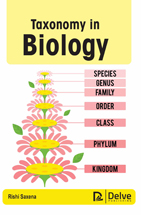
Taxonomy in Biology |
| |
Rishi Saxena/ 9781774695029/ Price:US$ 175.00
|
| |
|
|
This book gives an introduction to taxonomy - its classification system in biology, and numerical taxonomy - its principles and practice of numerical classification. It illustrates the concepts of rational taxonomy in biology. It addresses the development of a taxonomy of human performance. In addition to this, applications and limitations of Taxonomy has also been discussed. |
| |
|
| SE01-510 |
Bacteriology and its tenets |
| |
Rishi Saxena/ 9781774695043/ Price:US$ 175.00
|
| |
|
|
This book emphasizes bacteriology and its branches with appropriate examples. First, the principles of bacteriology that guide disease studies are explained. Second, the molecular genetics of bacteria and their role in inducing resistance is discussed. Third, the area of applied bacteriology is clearly defined with applications. Fourth, the importance of probiotic bacteria and its role in managing GIT against diseases is explained in detail. Finally, the concepts associated with veterinary and clinical bacteriology are discussed. This book can be used for students who are pursuing graduate and undergraduate courses. |
| |
|
| VE01-97 |
Tactical Sciences for Biosecurity in Animal and Plant Systems |
| |
Kitty F. Cardwell/ 9781799879367/ Price:US$ 165.00
|
| |
|

|
Agriculture is often under the threat of invasive species of animal pests and pathogens that do harm to crops. It is essential to have the best methods and tools available to prevent this harm. Biosecurity is a mixture of institutions, policies, and science applications that attempts to prevent the spread of unhealthy pests.
Tactical Sciences for Biosecurity in Animal and Plant Systems focuses on the tactical sciences needed to succeed in the biosecurity objectives of preventing plant and animal pathogens from entering or leaving the United States. This book explores a divergence of tactics between plant and animal exotic disease response. Covering topics such as animal pests and pathogens, tactical management, and early detection, this book is an essential resource for researchers, academicians, university faculty, government biosecurity practitioners, customs officers, clinical scientists, and students.
Coverage:
The many academic areas covered in this publication include, but are not limited to:
•Agricultural Biosecurity
•Agricultural Systems
•Animal Pathology
•Animal Pests and Pathogens
•Biosecurity
•Early Detection
•Invasive Species
•Microbial Forensics
•Pathogen Evolution
•Plant Pathology
•Risk Analysis
•Tactical Management
|
| |
|
| SE01-520 |
Chaotic DNA Dynamics |
| |
Amujuri Mary Selvam/ 9789811242854/ Price:US$ 88.00
|
| |
|
|
|
| |
|
| SE01-516 |
Next Generation Sequencing in Forensic Science: A Primer |
| |
Kelly M. Elkins/ 9781032072043/ Price:GBP 62.99
|
| |
|
|
|
| |
|
| SE01-504 |
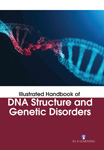
Illustrated Handbook of DNA Structure and Genetic Disorders |
| |
3G Editorial Board/ 9781984660374/ Price:US$ 180.00
|
| |
|
|
A genetic disorder is an illness caused by changes in a person's DNA. These mutations can be due to an error in DNA replication.
This book presents a current assessment of this rapidly evolving field, offering principles for actions and research and recommendations on key issues in genetic testing and screening.
Discusses the principles of genetics with application to the study of biological function at the level of molecules, cells, and multicellular organisms, including humans. |
| |
|
| SE01-504 |
Illustrated Handbook of Phytopharmaceuticals |
| |
3G Editorial Board/ 9781984660381/ Price:US$ 180.00
|
| |
|

|
This newly emerging area of natural product science including the necessary skills to undertake individual and collaborative research.
It covers stages such as discovery, design and development of products and their constituent parts within the pharmaceutical industry.
Students will learn and use a wide range of techniques for the quality control of natural plant material including both the macroscopical and microscopical recognition of dried plant material. |
| |
|
| SE01-503 |
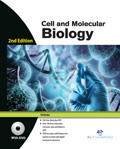
Cell and Molecular Biology (Book with DVD) |
| |
3G Editorial Board/ 9781984659576/ Price:US$ 95.00
|
| |
|
|
This edition has become more comprehensive with the inclusion of several new topics.
Describes the structure and function of cells in all their genetic, biochemical, developmental, physiological and pathophysiological aspects.
Covers a detailed analysis of the biochemical mechanisms that control the maintenance, expression, and evolution of prokaryotic and eukaryotic genomes. |
| |
|
| SE01-503 |
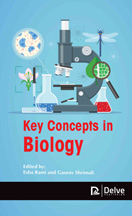
Key Concepts in Biology |
| |
Esha Rami/ 9781774691472/ Price:US$ 160.00
|
| |
|
|
The book addresses numerous key definitions or terms of Biology. Biology is the study of life. The word "biology" is derived from the Greek words "bios" (meaning life) and "logos" (meaning "study"). In general, biologists study the structure, function, growth, origin, evolution and distribution of living organisms. |
| |
|
| SE01-503 |
Key Concepts in Biotechnology |
| |
Smitha Nair/ 9781774691533/ Price:US$ 160.00
|
| |
|

|
In this book, definitions of key terms related to biotechnology have been explained breifly. Biotechnology is a broad area of biology, involving the use of living systems and organisms to develop or make products. Depending on the tools and applications, it often overlaps with related scientific fields. |
| |
|
| SE01-503 |
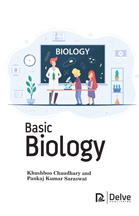
Basic Biology |
| |
Khushboo Chaudhary/ 9781774691557/ Price:US$ 160.00
|
| |
|
|
As a field of science, biology helps us understand the living world and the ways its many function, evolve, and interact. This guide book has covered a range of syllabus and the student is an easy way to go through this book content. The chapters have been so arranged to give a sequential knowledge of the introductory basic biochemistry, enzymology, cell biology and molecular biology, techniques in biochemistry, biotechnology, plant and animal tissue culture in this guide book. This book would serve not only for undergraduate but postgraduate students of all life science students, and also research scholars of various universities. |
| |
|
| SE01-503 |
Red Biotechnology: Insights |
| |
Shivsanjeevi Sripathi/ 9781774691625/ Price:US$ 160.00
|
| |
|
|
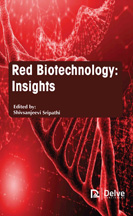
The statistics of health issues coupled with the COVID-19 pandemic that is devastating mankind across several spheres raise concerns about our health and wellbeing. This brings in the field of medical biotechnology or red biotechnology that is aimed at employing biotechnology to address diseases and malignancies. This book summarizes the aspects of vaccination with a chapter dedicated to the status of research of vaccination for COVID-19. The book also includes the latest approaches such as bispecific antibodies, their promise and their current status. Another interesting field is regenerative medicine that looks at restoring lost or damaged functions employing stem cells, growth factors, tissue regeneration and bioprinting of organs. |
| |
|
| SE01-503 |
Basic Methods in Molecular Biology |
| |
Nicola Bragazzi/ 9781682518694/ Price:US$ 155.00
|
| |
|

|
Advances in the fields of molecular biology and genetic engineering are beginning to directly impact clinicians in disease prevention, diagnosis, and treatment. Therefore, an understanding of molecular biology is rapidly becoming necessary to fully understand normal physiology and pathophysiology. The book focuses on the latest advances and innovations in methods for molecular biology and biotechnology investigation such as DNA cloning, cut and paste DNA, bacterial transformation, transfection, chromosome integration, cellular screening, cellular culture, and extraction of DNA. |
| |
|
| SE01-503 |
Diversity of Life Forms |
| |
Andrea Arcangeli/ 9781682518663/ Price:US$ 155.00
|
| |
|

|
The most unique feature of Earth is the existence of life, and the most extraordinary feature of life is its diversity. This includes all the different plants, animals, and microorganisms; the genes they contain; and the ecosystems they form on land and in water. This book covers living organisms of all kinds in any habitat, focusing on information features rapid assessment approaches, the estimation of species numbers and diversity, habitat management, conservation policy and regulations, threats, biodiversity loss, extinctions, and the documenting of long-term changes, and ex-situ conservation. |
| |
|
| SE01-503 |
Inheritance Biology |
| |
Miguel Amado/ 9781682518656/ Price:US$ 155.00
|
| |
|

|
Genetics helps explain a lot of things, like what makes you unique, why you look like other members of your family, and why some diseases run in your family. Human genetics is more an applied science than a fundamental science. One benefit of studying human genetic variation is the discovery and description of the genetic contribution to many human diseases. Inheritance is the process by which genetic information is passed on from parent to child. Inheritance can occur via two different overall mechanisms—genetic inheritance or epigenetic inheritance. This book deals with emerging technologies and clinical applications in inheritance biology. |
| |
|
| SE01-503 |
Cellular Organization |
| |
Amela Ajanovic/ 9781682518649/ Price:US$ 155.00
|
| |
|

|
Cells have many parts, each with a different function. Some of these parts, called organelles, are specialized structures that perform certain tasks within the cell. Muscle cells contract to maintain a heartbeat and allow us to move, neurons form networks that give rise to memories and enable thought processes. This book provides an overview of the state of knowledge in the study of cellular structure and function. The book is also intended to present information on the importance of mechanisms for generating cellular order. |
| |
|
| SE01-503 |
Molecular Genetics of Bacteria |
| |
Daniela Jacob/ 9781682518298/ Price:US$ 155.00
|
| |
|
|
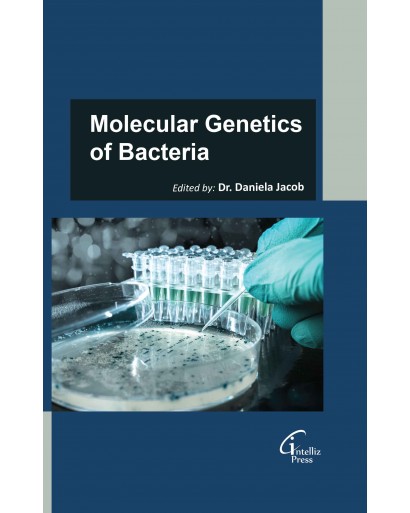
Microorganisms, especially bacteria and yeasts, are also used by many scientists as a tool for molecular biology research. Bacterial genetics is a study of heritable information mechanisms in bacteria, their chromosomes, plasmids, transposons and phages. The large size of the bacterial population ensures that even incredibly rare genetic events are likely to happen. This genetic variation makes it easy for individual members of large populations of bacteria to quickly develop new characteristics. This book deals with an essential introduction to the molecular genetics of bacteria emphasizing the basic concepts and the latest developments. Over the last 40 years, the study of the genetics, biochemistry and physiology of bacteria has provided concepts and methods for the study of all types of cells at the molecular level. |
| |
|
| SE01-503 |
Molecular Biology of the Cell |
| |
Sergey Pulinets/ 9781682518281/ Price:US$ 155.00
|
| |
|
|
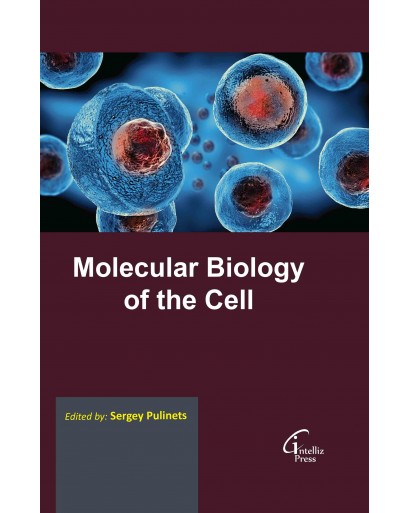
Cell and molecular biology is a multidisciplinary area of science that interacts with the fields of chemistry, structure and biology in order to explain life and cellular mechanisms at the molecular level. This book deals with the understanding of how cells function by introducing an experimental basis for cell and molecular biology. Through learning how cells function in stable and diseased states, cell biologists working in animal, plant and medical sciences will be able to produce new vaccines, more efficient drugs, improved plants, and a greater understanding of how all living organisms exist through increased awareness. In the future, molecular and cell biology have a great deal to bring to tropical medicine as well as helping to understand the population genetics and dynamics of both infectious and non-infectious diseases. |
| |
|
| SE01-503 |
Molecular Biology of RNA |
| |
Daniele Contini/ 9781682518274/ Price:US$ 155.00
|
| |
|
|
RNA is touching almost anything in a cell. RNA performs a wide range of functions, from translating genetic information into molecular machines and cell structures, to controlling gene activity during growth, cell differentiation, and evolving environments. The book presents the versatile RNA molecule, as well as its various forms and functions. The book also discusses scientific and technological advancement, obstacles and opportunities, investments made and required by the public and private sectors, and technological concerns relevant to RNA Therapeutics. The importance of managing RNA changes through time and space is becoming increasingly apparent. |
| |
|
| SE01-503 |
Gene Cloning and DNA Analysis |
| |
Scott Osprey/ 9781682518267/ Price:US$ 155.00
|
| |
|
|
Over the last decade, the advent of new methodologies has encouraged and extended applications for DNA cloning. DNA manipulation has become simple due to powerful tools that demonstrate exponential growth in applications and the complexity of recombinant DNA technology. The advent of novel cloning techniques has opened the door to more refined applications such as the detection and mapping of epigenetic modifications and the high-performance assembly of combination libraries. The purpose of this book is to discuss the major breakthroughs in cloning techniques and their applications in various areas of biological science that have developed mainly due to the easy construction of novel expression systems. |
| |
|
| SE01-503 |
Biological Science: The Cell, Genetics, & Development |
| |
Peter Hasle/ 9781682518250/ Price:US$ 155.00
|
| |
|
|
The human body is composed of trillions of cells. Cells provide structure for the body, take in nutrients from food, convert those nutrients into energy, and carry out specialized functions. Molecular genetics emerged from the realization that DNA and RNA constitute the genetic material of all living organisms. This book deals with a diverse range of disciplines, including molecular biology, cell biology, genomics and quantitative biology, stem cells and developmental biology, cancer biology and human disease modeling. |
| |
|
| |
Physiology, Genomics, and Biotechnological Applications of Extremophiles |
| |
Aparna B. Gunjal/ 9781799891444/ Price:US$ 380.00
|
| |
|

|
Extremophiles are organisms that are able to live in extreme conditions due to their unique physiological and genetic adaptations. Extremophiles are harnessed for their extremozymes that have wide applications in biotechnology, pharmaceutics, and industry. Recent developments in genomics and proteomics have helped unravel the mechanism of survival, physiological adaptation, and genomics structure of extremophiles.
Physiology, Genomics, and Biotechnological Applications of Extremophiles covers innovative developments in understanding the physiology and biochemistry of extremophiles using the -omics perspective, focuses on the advancement in mechanisms of the extremophiles that makes them able to survive under extreme conditions, and discusses the applications of extremophiles in astrobiology. Covering topics such as genomics and the history and identification of extremophiles, it is ideal for students, professors, researchers, academicians, microbiologists, agricultural scientists, and biotechnologists.
Coverage:
The many academic areas covered in this publication include, but are not limited to:
•Alkalophiles
•Applications in Bioenergy
•Applications in Medicine
•Biochemistry
•Biotechnological Products
•Classifications of Extremophiles
•Extremophiles
•Genome Editing
•Genomics
•Halophiles
•History of Extremophiles
•Identification of Extremophiles |
| |
|
| |
Handbook of Research on Algae as a Sustainable Solution for Food, Energy, and the Environment |
| |
Mostafa M. El-Sheekh/ 9781668424384/ Price:US$ 325.00
|
| |
|

|
Today's planet faces several critical problems such as resource depletion, environmental destruction, and climate change that affect all areas of life as we know it. Figuring out how to address these issues and prioritizing Earth’s health has been at the forefront of study as it is a key issue that affects us all. One element that requires further investigation is algae regarding its potential for creating a more sustainable future across the food, energy, and environmental sectors.
The Handbook of Research on Algae as a Sustainable Solution for Food, Energy, and the Environment provides insight into the biotechnological and biorefinery aspects of algae together with their unique applications in the agriculture and pharmaceutical industry. Furthermore, this book considers the biological and biotechnological processes happening in the cultivation and harvesting of algae, DNA sequencing, and genomics of algae. Moreover, it examines the bio-remediation aspects of algae and its utilization to produce biofuels, methane, hydrogen, and other useful renewable sources of energy, thereby contributing to environmental sustainability. Covering topics such as cell biology and food science, this reference work is ideal for academicians, researchers, industry professionals, scholars, practitioners, instructors, and students.
Coverage:
The many academic areas covered in this publication include, but are not limited to:
•Algae Breeding
•Algae Harvesting
•Algal Life Cycle
•Biochemistry
•Biomaterials
•Biorefinery
•Cancer
•Cell Biology
•Circular Economy
•Crop Improvement
•Food Science
•Green Fuel Production
•Microbial Interactions
•Sustainability |
| |
|
| VE01-96 |
Handbook of Research on Microbial Remediation and Microbial Biotechnology for Sustainable Soil |
| |
Junaid Ahmad Malik/ 9781799870623/ Price:US$ 325.00
|
| |
|

|
The Handbook of Research on Microbial Remediation and Microbial Biotechnology for Sustainable Soil provides a detailed comprehensive account for microbial treatment technologies, bioremediation strategies, biotechnology, and the important microbial species involved in remediation. The chapters focus on recent developments in microbial biotechnology in the areas of agriculture and environment and the physiology, biochemistry, and the mechanisms of remediation along with a future outlook. This book is ideal for scientists, biologists, academicians, students, and researchers in the fields of life sciences, microbiology, environmental science, environmental engineering, biotechnology, agriculture, and health sciences.
Topics Covered
The many academic areas covered in this publication include, but are not limited to:
•Enzyme Activities
•Genetic Engineering
•Metabolites and Chemicals
•Microbes
•Microbial Biotechnology
•Microbial Remediation
•Microbial Treatment
•Plant Growth
•Pollution
•Soil Reclamation
•Sustainable Agriculture
•Sustainable Environment |
| |
|
| SE01-498 |
Illustrated Dictionary of Biology |
| |
3G Editorial Board/ 9781984645579/ Price:US$ 55.00
|
| |
|
|
The completely revised and updated edition provides concise definitions and explanations of biological terms together with state-of-the-art scientific and practical terms, presented in an easy-to-use, A-Z order with pictures and figures as well as examples are given to clarify the terms.
This Illustrated Dictionary has been designed to motivate students to effort mastering biology vocabulary. |
| |
|
| SE01-498 |
Illustrated Handbook of Microbes, Environment and Human Welfare |
| |
3G Editorial Board/ 9781984647481/ Price:US$ 160.00
|
| |
|
|
Introduces students to the diversity of microorganisms, including, bacteria, viruses, and fungi, and the impact of microbes on everyday life.
Covers various aspects of microorganism-based biotechnology, including recent methodologies such as advanced molecular techniques.
Illustrates various aspects of modern microbiology including microbial enzymes, secondary metabolites, next-generation sequencing, microbial-based biopesticides, microbial-based cancer therapies, biodiesel, and microbial products. |
| |
|
| SE01-498 |
Illustrated Handbook of Metagenomics |
| |
3G Editorial Board/ 9781984647498/ Price:US$ 160.00
|
| |
|

|
Next-generation sequencing (NGS) technologies have revolutionized many fields in biology and are changing the practice of medicine.
Describes the process of sequencing of the bacterial 16S genome.
Students will learn about multiple types of sequencing methods, 16S RNA and DNA, and then practice analysis of 16s sequencing data using the user-friendly T-Bioinfo platform. |
| |
|
| SE01-498 |
Illustrated Handbook of Non-Coding RNAs |
| |
3G Editorial Board/ 9781984647504/ Price:US$ 160.00
|
| |
|
|
Introduces several classes of short and long non-coding RNAs.
Focuses on methods enabling characterization of cellular content and localization of ncRNAs as well as providing insights into their function.
Includes detection and quantification of ncRNAs, data analysis and integration as well as correlation of data obtained by various methods. |
| |
|
| SE01-498 |
Illustrated Handbook of Analytical Biotechnology |
| |
3G Editorial Board/ 9781984647511/ Price:US$ 160.00
|
| |
|
|
Explores analytical biotechnology including analysis and applications involved in this field.
Illustrates the progress in the field of analytical biotechnology and highlights some of its key concepts and applications.
Focused on the use of a set of enabling platform technologies that provide contemporary, state-of-the-art tools for genomics, proteomics, metabolomics, and drug discovery. |
| |
|
| SE01-498 |
Illustrated Handbook of Biology and Ecology of Earthworms |
| |
3G Editorial Board/ 9781984647528/ Price:US$ 160.00
|
| |
|
|
Covers all aspects of earthworm biology and ecology.
Highlights on new treatments of earthworm taxonomy, diversity, migration and geographical distribution; interactions between earthworms and other soil organisms, especially microorganisms and soil-borne pests and diseases; as well as the importance of earthworms in organic waste management. |
| |
|
| SE01-497 |
Analysis of Microarray Gene Expression Data |
| |
Elina Kim/ 9781682517802/ Price:US$ 155.00
|
| |
|
|
Microarrays are considered as a technology in which 1000’s of nucleic acids are bound to the surface and are applied to measure the relative concentration of nucleic acid sequences in a mixture through hybridization and subsequent detection of hybridization events. This book is intended to present a critical overview of the current state of the art of the subject. This information can help researchers develop genetic testing to identify disease, and work on treatments to address specific genetic conditions. Gene libraries can also be stored for future reference and additional projects. It highlights on microarray gene expression analysis to evaluate cell type specific expression of targets relevant for immunotherapy of hematological malignancies. This book also proposes a new method for processing RNA-seq data that yields gene expression estimates that are much more similar to corresponding estimates from microarray data, hence greatly improving cross-platform comparability. |
| |
|
| SE01-497 |
Cellular and Developmental Biology |
| |
Iwona Garnevska/ 9781682517772/ Price:US$ 155.00
|
| |
|

|
Interest in embryology can be outlined back to the times of Aristotle, but it was really the discovery of the microscope in the mid-seventeenth century that propelled the fields of modern cell and developmental biology. This book compiles a wide spectrum of cell and developmental biology, covering intracellular and extracellular dynamics, with sections focusing on signaling, cell adhesion and migration, cell growth and division, cell death and survival, membrane trafficking and epigenetic regulation. It also focuses on the evolution, development, growth, regeneration, and functions of the cells while tracing the disorders it may attract. It also underlines the importance of addressing cell disorders that may lead to a plethora of other chronic diseases. Additionally, the book offers information dedicated to the cutting edge of fundamental and translational research in molecular medicine and stem cell biology. |
| |
|
| SE01-497 |
Principles and Applications of Molecular Diagnostics |
| |
Olawale Ciriza/ 9781682517765/ Price:US$ 155.00
|
| |
|

|
Molecular diagnostics has become a growing part of the clinical laboratory. It includes all tests and methods to identify a disease and understand the predisposition for a disease analyzing DNA or RNA of an organism. Rapid advances in molecular diagnostics enables basic research and results in practical diagnostic tests. The molecular diagnostic marketplace offers a growth opportunity given the interest in utilizing molecular tools to precisely target therapeutics. Molecular diagnostics and biosensors are widely used in medicine, agriculture, industry, and research, as well as environmental, military, and criminal investigations. This book compiles state of the art research and developments on the use of nucleic acids in molecular diagnostic testing will be described. Real world examples will be discussed to illustrate technical capabilities as well as the medical relevance of such testing. |
| |
|
| SE01-497 |
Latest Methodologies in Cryopreservation |
| |
Alberto Fatoki/ 9781682517758/ Price:US$ 155.00
|
| |
|

|
Cryopreservation is to preserve and store the viable biological samples in a frozen state over extended periods of time. A very important part research in cryopreservation is to reveal the underlying physical and biological responses of the cell and cause of cryoinjury, especially those associated with the phase change of water in extracellular and intracellular environments. This book addresses representative cryopreservation processes, such as slow freezing and vitrification, and the available cryoprotective agents. In addition, some adverse effects of cryopreservation are mentioned. This book also covers state of the art principles of cryopreservation as they relate the preservation of viable cells and cell materials being developed for pharmaceutical and biotechnical applications. |
| |
|
| SE01-497 |
Theoretical and Practical Aspects in Life Sciences |
| |
Debora Stachova/ 9781682517741/ Price:US$ 155.00
|
| |
|

|
Experimental protocols are key when planning, performing and publishing research in many disciplines, especially in relation to the reporting of materials and methods. However, they vary in their content, structure and associated data elements. This book presents a guideline for describing key content for reporting experimental protocols in the domain of life sciences, together with the methodology followed in order to develop such guideline. The book provides a wide-ranging coverage of areas in the interdisciplinary fields of life sciences, pharmacy, medical and paramedical sciences, and biotechnology. |
| |
|
| SE01-497 |
Introduction to Instrumentation in Life Sciences |
| |
Katarina Sarno/ 9781682517734/ Price:US$ 155.00
|
| |
|

|
Life sciences have become much more diverse. The process for discovering new drugs has become more advanced technologically. Combinatorial chemistry and recent social demands for health care are reducing medical costs, point of care and total life care. This book addresses different aspects of instrumentation that hold the keys to cutting-edge research and innovative applications. The book focuses on the principle and instrumentation of the biological tools, not the protocols. Students are introduced to different aspects of basic experimental methods and instrumentation used in life sciences. It also presents an emphasis to the techniques encountered both in practical classes and also in high-throughput technique involved in the modern era of commercialization and product inventories. |
| |
|
| SE01-497 |
Key Perspectives in Molecular Neurobiology |
| |
Agustin Ruan/ 9781682517420/ Price:US$ 155.00
|
| |
|
|
Neuroscience is inherently interdisciplinary in its quest to explain the brain. Like all biological structures the brain operates at multiple levels, from nano-scale molecules to meter-scale systems. Within only 17 years, the 21stcentury has changed neuroscience. After decades in which molecular neuroscience was pre-eminent, systems neuroscience is now in ascendance. New technologies have made it possible to map neural circuits in vivo, to visualize neuronal activity in real time, and to manipulate neural activity in behaving animals. This book is designed to synthesize and critically assess research trends in experimental and clinical neuroscience at the molecular level. It highlights the progress at the forefront of contemporary molecular brain research. The book is specifically designed to synthesize and critically assess research trends for all neuroscientists at the cutting edge of this dramatically developing area. |
| |
|
| SE01-497 |
Sperm-Mediated Gene Transfer: Concepts and Controversies |
| |
Eduardo F. Cerrato/ 9781682517130/ Price:US$ 155.00
|
| |
|

|
Genetic engineering is the use of molecular biology technology to modify DNA sequence(s) in genomes, using a variety of approaches. The rapid developments in the field of genetic engineering have given a new impetus to biotechnology. This book is aimed to cover research and developments on the sperm-mediated gene transfer methods that is gene transfer based on the spontaneous ability of sperm cells to bind and internalize exogenous DNA and to carry it to oocyte during fertilization, producing genetically modified animals with high efficiency. The success led to a new interest in transgenic technology because of its simplicity, although various methods have been successfully used to create transgenic animals. This book brings together theoretical and experiential reviews from experts in SMGT, providing comprehensive coverage of the major trends, developments and controversies in this novel field. |
| |
|
| SE01-497 |
Genetics in Diabetes: Type 2 Diabetes and Related Traits |
| |
Daniele Teran-Yepez/ 9781682517123/ Price:US$ 155.00
|
| |
|

|
The genetic component of the more common form of type 2 diabetes is probably complex and involves the interactions of multiple genes and environmental factors. Until recently, only a few loci were known, but this is changing rapidly as a result of the development of high-density genotyping arrays that have permitted genome-wide association studies. This book provides state of the art information and reviews the evidence that insulin resistance has a genetic basis. The genetic component of the more common form of type 2 diabetes is probably complex and involves the interactions of multiple genes and environmental factors. This book provides new insights into the identification of novel genes and pathways that lead to this complex disease. Progress to date toward identifying specific gene variants is reviewed. |
| |
|
| SE01-497 |
Germinal Choice Technology and Human Future |
| |
Sinisa P. Jovanovic/ 9781682517116/ Price:US$ 155.00
|
| |
|

|
In the past decade, the human genome has been completely sequenced and the knowledge from it has begun to influence the fields of biological and social sciences in fundamental ways. The issues of cloning, gene therapy, and embryonic stem cell research have been at the headlines of many newspapers and magazines for over a decade in many countries throughout the world. This book examines the likely impacts of emerging technologies that will give prospective parents the potential to directly influence the genetics of their offspring. The primary focus is on advanced prenatal genetic diagnosis (PGD) for both disease and non-disease traits, since this is likely to emerge before such possibilities as direct germline engineering. This book also highlights on today’s debate about cloning and other such issues in the life sciences, looking at the driving forces behind these discussions and the tensions likely to develop in the next few decades. |
| |
|
| SE01-497 |
A Guide to Gene Therapy for Color Blindness |
| |
Zoran W. Arsic/ 9781682517109/ Price:US$ 155.00
|
| |
|

|
Gene therapy is a novel treatment method which utilizes genes or short oligonucleotide sequences as therapeutic molecules, instead of conventional drug compounds. This technique is widely used to treat those defective genes which contribute to disease development. This book outlines methods available for gene transfer as well as current and potential applications for craniofacial regeneration, with emphasis on future development and design. The process of gene therapy remains complex and many techniques need further developments. The challenge of developing successful gene therapy for any specific condition is considerable. This book will be of beneficial to students and practitioners who would benefit from seeing the phenotypes of the genes they work on and study. |
| |
|
| SE01-497 |
Advanced Molecular and Cell Biology |
| |
Ruy Albergel/ 9781682517079/ Price:US$ 155.00
|
| |
|

|
Cell biology is increasingly important in each aspect of life sciences. Many of the advancements in contemporary science are the result of a better understanding of cellular components and their functions. This book compiles numerous internationally renowned authors presenting the research results or review of current knowledge in the general area of cellular and molecular biology and related areas of biochemistry, developmental biology, genetics, immunology, cancer research, microbiology, neurobiology, plant biology, structural biology and virology. This book will serve to cellular and molecular biologists, developmental biologists, microbiologists, geneticists, immunologists, neurobiologists, physiologists, plant cell biologists, virologists, protistozoologists, light and electron microscopists, biophysicists. |
| |
|
| SE01-497 |
Principles and Techniques of Gene Manipulation |
| |
Andrea Galende/ 9781682516966/ Price:US$ 155.00
|
| |
|
|
The applications of genetic engineering are now so widespread and well established within the biomedical sciences that it is difficult for younger investigators to envisage what research life was like in the era before genetic engineering. This book contains state of the research and developments insight into the modern tools of genome editing, their hurdles and their huge potential. Classical field of genetic engineering and some of its advancements are discussed in this book. Complex studies are being carried out around the world independently to evaluate the advantages and disadvantages of GM foods. The book attempts to summarize up-to-date knowledge about the benefits and potential problems of GM food. This book also introduce some recent technological developments in GM foods and their impact in the field. |
| |
|
| SE01-497 |
Molecular Biology with Statistical Methods |
| |
Renato D. Castagna/ 9781682516959/ Price:US$ 155.00
|
| |
|
|
The importance of computer simulations in understanding cellular processes is now widely accepted; a variety of algorithms have been developed to study these biological networks. This progressive book presents the basic principles of proper statistical analyses. It progresses to more advanced statistical methods in response to rapidly developing technologies and methodologies in the field of molecular biology. This book will serve for students and practitioners in the areas of statistics, biostatistics, computer science, and related fields in applied mathematics; this book presents various approaches to help students solve problems at the interface of these areas. |
| |
|
| SE01-497 |
Applied Bioinformatics in Life and Environment Science |
| |
Francesco L. Passaro/ 9781682516942/ Price:US$ 155.00
|
| |
|
|
Bioinformatics involves close relation between biology and computers that influence each other and synergistically merging more than once. Bioinformatics techniques have been developed to identify and analyze various components of cells such as gene and protein function, interactions and metabolic and regulatory pathways. It is demanding transformation of basic ethos of biological sciences. This book is aimed to provide information on bioinformatics at various levels. The chapters included in this book cover introductory to advanced aspects, including applications of various documented research work and specific case studies related to bioinformatics. This book will be of immense value to readers of different backgrounds such as engineers, scientists, consultants and policy makers for industry, government, academics and social and private organisations. |
| |
|
| SE01-497 |
General Biology |
| |
Ashok Kumar Bishoyi/ 9781774076187/ Price:US$ 160.00
|
| |
|

|
The meaning of biology is, "The science of life", which is derived from the Greek word bios (life), and logos (knowledge). So, Biology is the field of science dealing with Living Being. That's why Biology is also called Life Science. The book circumvents the customary human-centric style of nearly all introductory textbooks, the style which significantly misrepresents our understanding of the diversity of life. Our methodology focusses on the illustration of individual topics and their impact on different living species. For instance, the discussion of the cell-structure of different living things is present in the same chapter. The authors also highlight that it is essential to understand biological science as a whole for a thorough understanding of human biology. The book mainly avoids the use of specialized biological vocabulary where possible, instead it offers the concepts using simple English. This book is equally useful for readers from diverse backgrounds including researchers, professors, students, and biological scientists. Moreover, people having a background in other disciplines can also use this book to grasp the fundamentals of biology. |
| |
|
| SE01-497 |
Primate Biogeography |
| |
Manoranjan Prasad Sinha/ 9781774076101/ Price:US$ 160.00
|
| |
|

|
Primate Biogeography explores the various aspects related to the lives of the primates. These aspects cover their habitats, their growth characteristics, their distribution across the globe, their development stages, and the various forms in which they are found. The book aims to develop a basic understanding of the primates in the readers and tries to make them informed about the introductory knowledge with respect to the primates and their diversity. |
| |
|
| SE01-497 |
Soilborne Pathogens |
| |
Urvashi Swami/ 9781774076569/ Price:US$ 160.00
|
| |
|
|
The purpose of this book is to highlight existing knowledge about various methods of soil-borne disease control, including: steam soil disinfection, crop rotation, hydroponic and soil-less culture systems, soil amendments, soil solarization, natural compounds grafting and biological control. It also mentions the different types of pathogens such as viruses, bacteria, fungi, protozoa and parasitic worms, including the positive and negative effects of soilborne pathogen control methods. The book further discusses environmental factors like drainage, humidity, soil composition, temperature and PH which affect soilborne pathogen reproduction. Suggesting that regular checks on plant health can determine whether soil borne pathogens are present or not. The author also reflects on the relationship between soilborne pathogens and climate change trends globally. |
| |
|
| SE01-497 |
Immunotherapy: A Review and Update |
| |
Shiv Sanjeevi Sripathi/ 9781774076934/ Price:US$ 160.00
|
| |
|

|
Immunotherapy refers to harnessing the immune system to treat cancer and infectious diseases. The immune system is robust enough to fight microbes and also perform what is termed as immune surveillance or checking for any alterations in cells. The idea of immunotherapy is hence simple-it activates the immune system to target pathogens or cancer cells. Given these interesting aspects, this book covers the history and basics of immunotherapy. Apart from discussing the approaches, the aspects of challenges are presented. These include honing the specificity and the cost of the therapy. Potential solutions to overcome these challenges have been presented. Thus, a reader can read this concise book that presents the fundamentals of immunotherapy without getting overwhelmed. |
| |
|
| SE01-497 |
Carbohydrates in the Body and Functions |
| |
Shiv Sanjeevi Sripathi/ 9781774076941/ Price:US$ 160.00
|
| |
|

|
Carbohydrates are present in whole grains and potatoes, as well as, other sources. Apart from providing a quick source of energy (remember the rejuvenating effect of glucose 'based drinks or eating a fruit'), these molecules assume several roles in organisms. The roles include structural strength (cellulose and pectin), signaling, host-pathogen interactions (glycoproteins), and even as treatment approaches. As far as their intake is concerned, researchers suggest that more than the quantity or the percentage of carbohydrates consumed, the quality is important. Amongst the various carbohydrate sources, the consumption of whole grains is recommended along with legumes that contain other nutrients like proteins. We believe that the readers find this book informative as information on all aspects of carbohydrates has been compiled in this single book. |
| |
|
| SE01-497 |
Overview of Blotting Techniques |
| |
Shiv Sanjeevi Sripathi/ 9781774076958/ Price:US$ 160.00
|
| |
|
|
There are 2 techniques that are commonly employed in research labs: gel electrophoresis and blotting. Following electrophoresis, separated nucleic acids and proteins can be transferred to a membrane where they are analyzed or detected. Depending on the molecule being analyzed, Southern blot refers to transfer and studying DNA, Northern blotting refers to RNA, Western blotting to proteins and eastern blotting for post-translational modifications. Given the importance of blotting in the lab, this book comes at an opportune time. The book discusses the protocols and applications of blotting-Southern, western, northern and eastern blotting. Case studies have also presented to help the reader gain insights into the practicality and applicability of blotting in today's world. The editors hope that this book will serve as a lab staple just like the aforementioned blotting techniques. |
| |
|
| SE01-497 |
Gene Silencing: Approaches, Applications and Updates |
| |
Shiv Sanjeevi Sripathi/ 9781774076965/ Price:US$ 160.00
|
| |
|
|
We turn off switches every day-can we turn off a gene or a group of genes' Sounds exciting' Read ahead. Researchers are using the property of RNA interference to silence several genes that have opened up the use of siRNAs in the analysis of the various genes that are involved or implicated in diseases. This book is a concise presentation of RNA silencing: the mechanisms involved have been discussed along with figures. The various patents, research strategies and the market for RNAi-based therapeutics have also been presented for the readers to understand the exact scenario in this one concise book that will 'silence' your questions! |
| |
|
| SE01-497 |
Camouflage |
| |
Shiv Sanjeevi Sripathi/ 9781774076972/ Price:US$ 160.00
|
| |
|
|
We have heard the phrase 'master of disguise' right from childhood. While we disguise or camouflage our 'emotions' or 'scars', plants and animals camouflage themselves for protection. This book is a concise presentation of camouflage encompassing the plant, animal, and human worlds. Plants were initially considered defenseless and senseless creatures. However, certain examples of mottled leaves called disruptive coloration prevent easy recognition by color blind herbivores. This book is a concise presentation of camouflage encompassing the plant, animal, and human worlds. Plants were initially considered defenseless and senseless creatures. However, certain examples of mottled leaves called disruptive coloration prevent easy recognition by color blind herbivores. Similarly, several examples of camouflage in the animal kingdom have been discussed to gain a snapshot of this interesting aspect of biology. |
| |
|
| SE01-497 |
Hygiene |
| |
Shiv Sanjeevi Sripathi/ 9781774076989/ Price:US$ 160.00
|
| |
|

|
The recent incidence of Coronavirus took a toll across the world (close to 16,362 mortalities as of 25th March 2020) involves the maintenance of social distancing and frequent washing to lower the occurrence of the disease. Basic hygiene practices advocated to lower the transmission of the disease are not touching the mouth or face-basic lessons in hygiene we learned in school are reemerging as points to prevent this deadly epidemic. In this concise book, the salient concepts of hygiene have been covered with practical applications in today's life. The familiar saying "Cleanliness is next to Godliness" becomes a reality even in today's world for mindful and healthy living! |
| |
|
| SE01-497 |
Protein Purification |
| |
Bhupendra Pushkar/ 9781774077023/ Price:US$ 160.00
|
| |
|

|
This book describes the concepts underlying the process of protein purification. The strategies and equipment needed in the protein purification was described. Advanced techniques like Polyacrylamide Gel Electrophoresis and Mass spectroscopy were explained. Isolation of proteins through protein chromatography was illustrated. Some of the advanced platforms such as proteomics and associated areas were described in detail. The sophisticated instrumentation of HPLC in the analysis and purification of proteins was explained in detail. Different types of electrophoresis were discussed. The role of nanotechnology in the protein purification process was explained. The analysis of proteins and purification technology were emphasized in detail for a systematic study. |
| |
|
| SE01-497 |
Protein Synthesis: Methods and Protocols |
| |
Bhupendra Pushkar/ 9781774077030/ Price:US$ 160.00
|
| |
|
|
Protein Synthesis: Methods and Protocols is a book that takes the readers through the various ways in which the proteins are synthesized and then further used for other applications. It throws light on the chemical reactions taking place in the process. The book lays down different kinds of methods and the procedures that are followed in protein synthesis and the important protocols that need to be followed regardless of anything else. The book gives the readers a fair idea of the whole process and is thus technical in nature and extremely informative on the processes involved. |
| |
|
| SE01-497 |
Principles and Advances in Human Genetics: A Prmier on Genetic Disorders |
| |
Cheryl Natividad/ 9781774077603/ Price:US$ 160.00
|
| |
|

|
Many of the fundamental concepts in genetics are applicable across various organisms-microorganisms, plants, animals, and humans. This book presents a concise discussion of these universal genetic principles. In addition, this book also puts a spotlight on an aspect of genetics that is distinctly human, that of genetic disorders. Many of these are rare, have no cure, and have no specified cause. This book discusses representative genetic disorders as well as some of the DNA-based technologies that enable a better understanding of these disorders |
| |
|
| SE01-497 |
Artificial Intelligence in Biotechnology |
| |
Preethi Kartan/ 9781774077856/ Price:US$ 160.00
|
| |
|
|
World has seen rapid development in the field of Information technology and Biotechnology over a decade. New experimental technologies developed in biotechnology and data available made it possible to perform experiments easily in less time and cost. These experiments also generate huge amount of data that may overwhelm even the most data-savvy researchers. Data generated during experimentation give lot of scope for companies that provide products and services in the field of biotechnology and new opportunities for researchers. This huge data may create challenges to the researches using low- throughput methods to handle and analyse data. Artificial intelligence plays prominent role in analysing huge data available in a systematic way and represent analysed data in a meaning full way. In todays time it is practically not possible to carry out research in biotechnology without utilising data available in public and private databases and artificial intelligence to analyse data. This book describes advancements and application of AI in the field of biotechnology. |
| |
|
| SE01-497 |
Advancement in the Cancer Treatment |
| |
Preethi Kartan/ 9781774077863/ Price:US$ 160.00
|
| |
|

|
Cancer: It is a disease where our body cells loose ability to divide at normal rate, this abnormal growth of cells results formation of lumps or tumours in body. Depending on the stage of the cancer and condition of the patient, treatment for the disease is decided. Treatment is given either to cure the disease or to shrink the tumour size or slow down the growth of disease allowing patient to live a normal life or live symptom free if possible. General treatment options available for treating cancer include: Surgery, Chemotherapy, Radiation therapy, Immunotherapy. In this book, discusses some of the advances made in the field of cancer treatment. |
| |
|
| SE01-497 |
Genetherapy |
| |
Preethi Kartan/ 9781774077870/ Price:US$ 160.00
|
| |
|

|
Gene therapy is a treatment procedure, where faulty gene in the cell that is responsible for causing disease is replaced with new functional genes or faulty gene is corrected. Gene therapy is useful to treat the disease or improve body's immunity to fight disease. Gene therapy hold promising role for treating some of chronic diseases such as AIDS, cancer, diabetes etc. Some techniques used in gene therapy are Gene augmentation therapy, Gene inhibition therapy, Killing of specific cells. Currently gene therapy holds its own challenges with future prospective to improve. This book discusses applications and recent advancements in the field of gene therapy. |
| |
|
| SE01-497 |
An insight into the "Killers" -Viruses that Cause Epidemics |
| |
Shiv Sanjeevi Sripathi/ 9781774078051/ Price:US$ 160.00
|
| |
|

|
While history says the earliest recorded influenza epidemic was in 1500; we have heard of epidemics throughout history: from the 1918 Spanish flu to the current 2020 COVID-19 pandemic. This book discusses the "killer" viruses in terms of their transmission, control, and prevention. Current research has also been presented to add practicality and relevance. This is one concise book that presents data on the go to get an idea of the major epidemics and the viruses behind them. |
| |
|
| SE01-516 |
A Series of Fortunate Events: Chance and the Making of the Planet, Life, and You |
| |
Sean B. Carroll/ 9780691234694/ Price:US$ 15.95
|
| |
|

|
|
| |
|
| SE01-490 |
Biochemical Genetics |
| |
Abeer Iqbal/ 9781774071755/ Price:US$ 160.00
|
| |
|
|
Biochemical Genetics discusses about the basic concept of biochemical genetics and the molecular genetics of the human. This book provides further information about the recombinant DNA technology and the prokaryotic molecular genetics. The plasticity of Genomes which is an alterable nature of the prokaryotic genomes has been described in one of the chapters in the book. The intent of this book is to describe the topics such as Medical Genetics and Epigenetics. Insights regarding the topic of molecular diagnostics have been provided to the readers with the help of this book, in order to understand the biochemical genetics in a better and broader way. |
| |
|
| SE01-490 |
Introduction to Life Science |
| |
Smitha Nair/ 9781774073094/ Price:US$ 95.00
|
| |
|
|
Introduction of Life Science introduces the concept of Life Sciences including the history and evolution of life sciences. This book highlights different fields in the life sciences and the basic as well as applied sciences. The first half of the book refers to the theory of life science and the spectroscopy of life science. This book covers the concept of chromatography and its principles and the concept of microscope and its significance in life sciences. There are certain measures for safety in the life science laboratory that must be taken, have been mentioned in this book. The insights related to the future aspects of life sciences have been provided to the readers with the help of this book. |
| |
|
| SE01-490 |
Quantum Biology |
| |
Shiv Sanjeevi/ 9781774073377/ Price:US$ 160.00
|
| |
|

|
Quantum Biology discusses the applications of mechanics and theoretical chemistry to biological objects and the related problems. It introduces the concept of migratory patterns, followed by a detailed discussion of quantum phenomenon in biomolecules, and a formal language for molecular biology. Physical properties of biological entities are further explained to ensure a comprehensive coverage of the topic. |
| |
|
| SE01-490 |
Molecular Diagnostics and Infectious Diseases |
| |
Shiv Sanjeevi/ 9781774071793/ Price:US$ 160.00
|
| |
|
|
Molecular Diagnostics introduces the concept as a collection of techniques used to analyze biological markers in the genome and proteome. The book discusses in detail the various techniques of Nucleic acid-based methods, Gel based techniques and techniques related to Solid state systems. It further throws light on the applications in treating various diseases and in the food industry. Towards the end, a holistic overview of current market scenario and research is given. |
| |
|
| SE01-490 |
Gene Silencing: Potential Applications of Nanotechnology |
| |
Brinster L./ 9781682515907/ Price:US$ 155.00
|
| |
|
|
Nanotechnology has seen many advances in recent years, both in terms of the development of novel materials, often with tunable properties and applications in a growing number of areas. An area of particular interest, and the topic of this book, is gene silencing. With the rapid development of nanotechnology in the recent decade, novel DNA and RNA delivery systems for gene therapy have become available that can be used instead of viral vectors. This book provides readers with a comprehensive review of various gene silencing methodologies and its applications. |
| |
|
| SE01-490 |
Nanomaterials and Polymers in Gene Delivery: Principles and Applications |
| |
P K Bausinger/ 9781682515914/ Price:US$ 155.00
|
| |
|
|
Gene therapy, an approach for treatment or prevention of diseases associated with defective gene expression, involves the insertion of a therapeutic gene into cells, followed by expression and production of the required proteins. This approach enables replacement of damaged genes or expression inhibition of undesired genes. This book covers recent developments related to various non-viral gene delivery systems with a basis in nanotechnology. The book is organized based on the nature of the nanomaterials: inorganic; graphene (carbon nanotubes); proteins and peptides; lipids; and other polymers. It introduces the most important cationic polymers used for gene delivery. |
| |
|
| SE01-490 |
Advances in Molecular and Cellular Microbiology |
| |
K N Tatsuma/ 9781682515938/ Price:US$ 155.00
|
| |
|
|
Molecular and cell biology have a great deal to offer tropical medicine in the future. As well as helping to understand the population genetics and dynamics. Cellular microbiology is revealing how pathogenic bacteria interact with host cells in what is turning out to be a complex evolutionary battle of competing gene products. The application of molecular and cell biology to the study of human disease, or molecular medicine as it is rather optimistically called, has developed on the back of the technical advances of molecular biology. Focusing on the interaction of microorganisms and the host cell, presenting detailed experimental techniques for modern microbiological research, this book will serve as comprehensive examination of this burgeoning area of important research. |
| |
|
| SE01-490 |
Gene Expression in Prokaryotes |
| |
P K Xing/ 9781682515945/ Price:US$ 155.00
|
| |
|
|
The regulation of gene expression in prokaryotic cells occurs at the transcriptional level. Prokaryotes only transcribe genes that their end-proteins are needed at the time. The regulation of gene expression is depended mainly on their immediate environment, for example on the presence and absence of nutrients. Control of gene expression is at the level of transcription. If a gene is not transcribed then the gene product and ultimately the phenotype will not be expressed. This book attempts to present some of the recent work on regulation of gene expression in prokaryotic cells valuable to students and practitioners dealing with the subject of biochemistry, molecular biology, and microbiology will also find this book useful. |
| |
|
| SE01-490 |
Parasitology: Current Trends |
| |
L N Uzomba/ 9781682516454/ Price:US$ 155.00
|
| |
|
|
Parasites are fascinating and have massive impacts on large animals including humans. Monitoring parasites in animals that are capable of being transmitted to humans is another important function of parasitologists. Despite their documented effects on trophic interactions and community structure, parasites are rarely included in food web analyses. This book provides comprehensive coverage of the organisms that parasitize humans. |
| |
|
| SE01-490 |
Genome Analysis: Current Procedures and Applications |
| |
John D. Frauley/ 9781682516485/ Price:US$ 155.00
|
| |
|

|
Today, DNA sequencing on a large scale—the scale necessary for ambitious projects such as sequencing an entire genome—is mostly done by high-tech machines. Genome analysis entails the prediction of genes in uncharacterized genomic sequences. Scientists also hope that being able to study the entire genome sequence will help them understand how the genome as a whole works—how genes work together to direct the growth, development and maintenance of an entire organism. In this book, eminent experts of the field highlights and review current advances in genome analysis. |
| |
|
| SE01-490 |
Recombinant DNA and Biotechnology: Current Trends |
| |
San Jia Zhang/ 9781682516508/ Price:US$ 155.00
|
| |
|
|
The advent of recombinant DNA technology revolutionized the development in biology and led to a series of dramatic changes. Recombinant DNA technology has also proven important to the production of vaccines and protein therapies such as human insulin, interferon and human growth hormone. It is also used to produce clotting factors for treating haemophilia and in the development of gene therapy. The objective of the book is to introduce the basic principle and techniques used to make Recombinant DNA. |
| |
|
| SE01-490 |
Metabolism of Amino Acids |
| |
N. Y. Roco/ 9781682516577/ Price:US$ 155.00
|
| |
|

|
All tissues have some capability for synthesis of the non-essential amino acids, amino acid remodeling, and conversion of non-amino acid carbon skeletons into amino acids and other derivatives that contain nitrogen. The small intestines, liver, kidneys, and muscle are organs that play an essential role in amino acid metabolism. This book provides a comprehensive look on metabolism of amino acids. |
| |
|
| SE01-490 |
Nucleic Acid Structure and Recognition |
| |
Jikawa Miller/ 9781682516812/ Price:US$ 155.00
|
| |
|

|
Nucleic acids are molecules that allow organisms to transfer genetic information from one generation to the next. Nucleic acids are the most important macromolecules for the continuity of life. They carry the genetic blueprint of a cell and carry instructions for the functioning of the cell. Nucleic acids thus control the information that makes every cell, and every organism, what it is. Providing a detailed view of the molecular structures of DNA and RNA and how they are recognised by small molecules and proteins, this book is a valuable guide for materials scientists, physicians, chemists and engineers, but is also ideal for clinicians wishing to expand their knowledge. |
| |
|
| SE01-490 |
Analytical Biotechnology: Instrumental Methods |
| |
Mitava Deemter/ 9781682516850/ Price:US$ 155.00
|
| |
|

|
In fact, we have witnessed the birth of new analytical methods that play an essential role in biotechnology. Knowing the appropriate applications of various analytical techniques used in biotechnology, makes the experiment more easier and let the researcher obtain a better result which also reduces the time period of experiment by eliminating the trial and error methods. Along with the knowledge of application of the analytical technique, the researcher also should have the knowledge of the sampling techniques for the analytical instruments as it is one of the deciding factors to choose a specific technique for the analysis. This book focuses on enhancement technology development by promoting cross-disciplinary approaches directed toward instrumental methods in biotechnology. |
| |
|
| SE01-490 |
Illustrated Handbook of Chordate Embryology |
| |
3G Editorial Board/ 9781984635358/ Price:US$ 180.00
|
| |
|
|
Chordates are common in all major habitats.
Tunicate larvae either seek out a place where they can attach and metamorphose into an adult or develop into adults that float in the open water.
Cephalochordates develop in the open water, but as adults they lie partially or entirely buried in sand and gravel.
In either case, they are filter feeders with simple behaviour.
Up to date with the latest information on chordate embryology.
The book contains topics on cellular basis of development, DNA, RNA and protein synthesis, reproductive cycles, parthenogenesis and regeneration. |
| |
|
| SE01-490 |
Illustrated Handbook of Cell Structure & Function |
| |
3G Editorial Board/ 9781984635426/ Price:US$ 180.00
|
| |
|
|
Cells are important elements of living.
Be it humans or plants or animals, every living organism is composed of cells.
Cells provide structure for the body, take in nutrients from food and carry out important functions.
Provides an overview of the state of knowledge in the study of cellular structure and functions.
Presents topics on the components of the cells, such as the mitochondria and the nucleus, and processes in the cells, including protein synthesis. |
| |
|
| SE01-490 |
Illustrated Handbook of Transgenic Animals |
| |
3G Editorial Board/ 9781984635433/ Price:US$ 180.00
|
| |
|
|
The advent of transgenic technology, in which foreign genetic information is stably introduced into the mammalian germ line, has dramatically enhanced our basic knowledge of physiologic and pathologic processes.
Highlights the use of biotechnology tools in the area of genetic engineering and provides comprehensive information related to current developmentsAddresses how to locate resources, animal alternatives, animal ethics and related issues. |
| |
|
| SE01-490 |
3GE Collection on Biology: Insect Molecular Biology |
| |
3G Editorial Board/ 9781984635792/ Price:US$ 160.00
|
| |
|
|
Insects are crucial components of many ecosystems, where they perform many important functions.
They aerate the soil, pollinate blossoms, and control insect and plant pests.
The molecular approaches have enabled the study of physiologically vital proteins/enzymes and sensillar-neural complexes that are involved in pheromonal studies.
Provides an introduction to the techniques and information of molecular genetics of insects; reviews concepts, principles, and applications of these powerful tools. |
| |
|
| SE01-490 |
3GE Collection on Biology: Photobiology |
| |
3G Editorial Board/ 9781984635808/ Price:US$ 160.00
|
| |
|
|
Light is a fundamental source of energy for all photosynthetic organisms and microorganisms; it is an environmental stimulus of primary importance for all living beings, terrestrial and aquatic, diurnal and nocturnal, prey and predator, as well.
Photobiology is a large discipline that includes studies of both the beneficial and harmful effects of light.
It covers topics from the atomic level to that of ecological communities.
Photobiologists use all of the tools of science to study the chemical and biological effects of light and other non-ionizing radiation. |
| |
|
| SE01-490 |
3GE Collection on Biology: Embryology and Angiosperms |
| |
3G Editorial Board/ 9781984635815/ Price:US$ 160.00
|
| |
|
|
The embryology of angiosperms has contributed much over the last century to an understanding of the structural diversity in micro and megasporogenesis, the development of micro- and megagametophytes, the fertilization, and the development of embryo, endosperm and seed coat.
Plant embryogenesis for cell and molecular biologists, and plant biotechnologists.
Provides an invaluable reference and source book on plant embryogenesis for cell and molecular biologists, and plant biotechnologists. |
| |
|
| SE01-490 |
3GE Collection on Biology: Applied Biology |
| |
3G Editorial Board/ 9781984636034/ Price:US$ 160.00
|
| |
|
|
Applied Biology is the science of life and of living organisms, including their structure, function, growth, origin, evolution, and distribution.
The objectives of this book are to present an up-to-date account of the biology and its applications. |
| |
|
| SE01-490 |
Core Concepts in Biology: Structure of DNA (Book with DVD) |
| |
3G Editorial Board/ 9781984637703/ Price:US$ 75.00
|
| |
|
|
The book provides a simple yet comprehensive introduction to nearly all aspects of DNA structure.
This book provides readers with much-needed knowledge to help advance their understanding of the subject. |
| |
|
| SE01-490 |
Core Concepts in Biology: Evolution, Ecology and Diversity (Book with DVD) |
| |
3G Editorial Board/ 9781984637710/ Price:US$ 75.00
|
| |
|
|
You will learn about the diversity of life on Earth, including diversity in genes, physiology, shapes, sizes and behaviors.
Include the diversity of life, the genetics and developmental basis of evolutionary change, processes at the population level, evolution by natural selection, modes of speciation, long-term trends in evolution, and origin of humans. |
| |
|
| SE01-490 |
Core Concepts in Biology: Energy and Chemistry of Life (Book with DVD) |
| |
3G Editorial Board/ 9781984637727/ Price:US$ 75.00
|
| |
|
|
This book is designed to help students understand basic chemical principles and master problem-solving skills.
Explores the chemical basis of life, including the biomolecular chemistry of amino acids, proteins, carbohydrates, lipids, and nucleic acids, as well as enzyme kinetics and mechanisms, thermodynamics, and core metabolism, control, and regulation. |
| |
|
| SE01-490 |
Systematics (Book with DVD) |
| |
3G Editorial Board/ 9781984637437/ Price:US$ 90.00
|
| |
|
|
Contains a general survey of the principles of systematics and the areas of taxonomy with reference to biological diversity.
Presents the theory and methodology of systematics as they are applied today to all groups of organisms, with a practical experience in the acquisition and analysis of systematic data. |
| |
|
| SE01-488 |
Earth and Life Science (Book with DVD) |
| |
3G Editorial Board/ 9781984625090/ Price:US$ 90.00
|
| |
|

|
This 3rd edition examines progress in the fields of life and earth sciences; real-life applications of science concepts helps students relate academic material to their own experiences.
The text is revised and updated with the latest information and new topics are added in this edition.
This updated edition offers students real advice in navigating the ever-changing academic landscape. |
| |
|
| SE01-487 |
Computational Molecular Biology: Methods and Protocols |
| |
N. Palmiter/ 9781682515921/ Price:US$ 155.00
|
| |
|
|
Computational molecular biology is an active area of research. A good understanding of basic algorithms in the field of computational molecular biology is of paramount importance to bioinformatics researchers, especially those who intend to work at the cutting edge of research. For this reason, bioinformatics researchers who have skills in novel algorithm development will have a competitive edge both in industry and academia. This book covers applications of computational techniques to biological problems. |
| |
|
| SE01-487 |
Bioinformatics and Genomics: Concepts and Protocols |
| |
K R Gabriel/ 9781682516515/ Price:US$ 155.00
|
| |
|
|
Genomic technologies are generating an extraordinary amount of information, unprecedented in the history of biology. Bioinformatics addresses the specific needs in data acquisition, storage, analysis and integration that research in genomics generates. Bioinformatics has become an important part of many areas of biology. In the field of genetics, it aids in sequencing and annotating genomes and their observed mutations. This book provides an overview of the rapidly evolving field of genomics with coverage of nucleic acid technologies, proteomics and bioinformatics. |
| |
|
| SE01-487 |
Mechanisms of DNA Conformation and Transcription |
| |
R. Zhang/ 9781682516829/ Price:US$ 155.00
|
| |
|
|
DNA conformations can be interconverted by relatively mild changes in conditions or can coexist in a single, continuous double helix. The importance of the conformation of the DNA template for in vitro transcription experiments was investigated using a mitochondrial RNA polymerase preparation from Xenopus luevis oocyte mitochondria. The transcribed DNA message, or RNA transcript, is used to produce proteins. DNA is housed within the nucleus of our cells. It controls cellular activity by coding for the production of proteins. This book provides state of the art coverage of the field by covering history of the field, up-to-date topics, clarifications of present day research, and future perspective of what is still to be discovered. |
| |
|
| SE01-487 |
Structure and Mechanism of DNA Repair Enzymes |
| |
K. Y. Huang/ 9781682516836/ Price:US$ 155.00
|
| |
|

|
DNA repair enzymes are enzymes that recognize and correct physical damage in DNA, caused by exposure to radiation, UV light or reactive oxygen species. DNA Damage Repair Enzymes are necessary for the repair of errors introduced during DNA replication or recombination or as a result of treatment with exogenous genotoxic agents. These enzymes can be used in vitro to detect specific forms of DNA damage or for repair assays. Importantly, our understanding of the fundamental science behind DNA repair and the mechanisms of the enzymes involved has led to a number of therapeutic strategies to treat these diseases. This book provides selected topics in DNA repair, a field that is ever-expanding in complexity and biologic significance. |
| |
|
| SE01-487 |
Utility of Microbes |
| |
Mohsen Nady/ 9781774071939/ Price:US$ 160.00
|
| |
|
|
Utility of Microbes informs the readers on the various uses of several kinds of microbes that are present in the ecosystem and lists down the processes that are related to having them utilized in proper ways, by focusing on the various processes of degradation and decomposition. This book also discusses about biofertilizers and related uses, the microbes available in agricultural places, probiotic microbes, biofuels and their importance, importance of microbes in food, the application of microbes in health products and the process of biodegradation |
| |
|
| SE01-487 |
Protein Bioinformatics |
| |
Bhupendra Pushkar/ 9781774071946/ Price:US$ 160.00
|
| |
|
|
Protein Bioinformatics is a book which introduces the concept of protein bioinformatics and it covers the topics such as structure databases and biological databases in the first half of this book. This book provides a comprehensive analysis of the protein structure and further prediction in the protein structure. The aim of this book is to describe hybrid methods that have been developed in order to solve the problem related to the protein structure prediction. In second half of this book, the readers are provided with the details regarding two models such as Machine Learning Models and Mathematical Methods. The book highlights Data Mining which is done in Protein Bioinformatics so as to extract information from large datasets and further briefs about Intelligent Mining. |
| |
|
| SE01-487 |
Natural Products From Marine Algae |
| |
Anjanette S. Tadena/ 9781774071960/ Price:US$ 160.00
|
| |
|
|
Natural Products from Marine Algae discusses the extraction of natural products from marine algae. It further comprises the biological and commercial significance of the marine algae and the chemical composition of some natural products acquired from marine algae. It provides the reader with the process of extracting natural products from marine algae so as to understand the use and application of these natural products and their developments and significance in the process of drug discovery. This book also discusses about methods of isolation of natural products from marine algae applications and uses of natural product recent advances and importance of natural products in drug discovery and bioprospecting of natural products. |
| |
|
| SE01-487 |
Established Codes of Stem Cell Biology |
| |
Shiv Sanjeevi/ 9781774072288/ Price:US$ 160.00
|
| |
|
|
Established Codes of Stem Cell Biology deals with the concept of stem cells and the codes of stem cell biology. Further, it consists of the description of molecules involved in stem cell biology and certain issues and concerns in the field of stem cell biology. It provides the reader with the fundamental notion of stem cells and the field of stem cell biology so as to understand about the development of modern techniques involved in the stem cell biology and therapeutic use of stem cell differentiation. This book also discusses about testing stem cell therapy in a rat model of inflammatory bowel disease, role of bone marrow stem cells and stem cell factor in mucosal regeneration, differentiation of human breast-milk stem cells to neural stem cells and neurons, development of new technologies for stem cell research and stem cell differentiation and therapeutic use. |
| |
|
| SE01-487 |
Stem Cells: The Beginning of Regenerative Medicine |
| |
Shiv Sanjeevi/ 9781774072295/ Price:US$ 160.00
|
| |
|
|
Stem Cells: The Beginning of Regenerative Medicine deals with the significance of stem cells for the manufacture of regenerative medicines along with the techniques and approaches involved. It comprises future perspective of stem cells and tissue engineering together with the opportunities and challenges associated with it. It provides the reader with fundamental knowledge of stem cell technology in order to better understand its application in the production of regenerative medicines, the use of these regenerative medicines for kidney and to deal with the challenges associated with the application of stem cells. This book also discusses about engineered stem cell niche matrices for rotator cuff tendon regenerative engineering, application of nanomaterials in stem cell regenerative medicine of orthopedic surgery, regenerative therapeutic potential of adipose stromal cells in early stage diabetic retinopathy and cryopreserved dental pulp tissues of exfoliated deciduous teeth is a feasible stem cell resource for regenerative medicine. |
| |
|
| SE01-487 |
Genetics, Molecular Biology, Cell Biology, Ecology, and Evolution |
| |
Cheryl Natividad/ 9781774072318/ Price:US$ 160.00
|
| |
|

|
Genetics, Molecular Biology, Cell Biology, Ecology, and Evolution takes the readers through the various processes in genetics and explains them the meaning, history, role and application of this field and also states its importance in the current world. It also explains the meaning of molecular biology and the various applications of molecular biology, focusing on the study that has been conducted in the subject and the future application so this field. Also discussed in the book are the topics of cell biology and the various aspect related to it and the subject of ecology and speciation, in detail, which provide deep insights to the readers on the subjects. |
| |
|
| SE01-487 |
Biodiversity and Biotechnology |
| |
Preethi Kartan/ 9781774072837/ Price:US$ 160.00
|
| |
|
|
Biodiversity and Biotechnology deals with the fundamental notion of biodiversity and the field of biotechnology. It also comprises the major impact of biotechnology on the ecosystem. This book also discusses about biotechnology and conservation of biodiversity, biodiversity in production of antibiotics, plant genetics and biotechnology in biodiversity, biotechnology for conservation of endangered plants and policies to promote conservation and sustainable use of agricultural biodiversity. It provides the reader with the knowledge of biodiversity and biotechnology along with their applications and impacts so as to get better understanding of plant genetics and application of biotechnology for the conservation of endangered plants. |
| |
|
| SE01-487 |
Lipids in Health: Their Source, Composition, and Uses |
| |
Shiv Sanjeevi/ 9781774073407/ Price:US$ 160.00
|
| |
|

|
Lipids in Health: Their Source, Composition and Uses discusses the origin, source, composition and use of lipids in day-to-day life. It includes the role of lipids in food, mental and physical health along with the significance of lipids in treatment of certain diseases. This book also discusses about algal and vegetable oils as sustainable fish oil substitutes in rainbow trout diets, association of lipid profile with bone mineral density and bone formation in subjects with spinal cord injury, lipid droplets and mycobacterium leprae infection, herbal medicine for the treatment of obesity and ectopic fat and insulin resistance. |
| |
|
| SE01-487 |
Silicon Biology |
| |
Shiv Sanjeevi/ 9781774073414/ Price:US$ 160.00
|
| |
|

|
Silicon Biology explains in detail the role of silicon in plants and animals. It discusses the importance of silicon in biology and medicine, and how the compounds play a significant role in different types of physiological, immunological and pathological processes. Subsequent chapters throw light on the concept of microelectronics and neurons, with a detailed explanation of Computational Micromodel for Epigenetic Mechanisms and Parallel Biological Computing Model. |
| |
|
| SE01-487 |
Gels: Their use in Life Sciences |
| |
Shiv Sanjeevi/ 9781774073421/ Price:US$ 160.00
|
| |
|

|
Gels in Life Sciences discusses in detail the use of gels in food, and its significance in research and medicine. Gels as supramolecular hydrocolloids are discussed in detail, followed by their use in fish industry. A chapter is dedicated to micromechanics in a fibrin gel, and subsequent chapters throw light on the different types of gel and getting a detailed understanding of Gel Electrophoresis Separation. The book also presents an enlightening perspective on staining of gels. |
| |
|
| SE01-487 |
Genomics in Precision Medicine |
| |
Shiv Sanjeevi/ 9781774073445/ Price:US$ 160.00
|
| |
|
|
Genomics in Precision Medicine makes the people aware about the field of genomics and that of precision medicine, by taking the readers through all the details related to genomics and precision medicine. It also updates the readers about the various innovations that have taken place in the field of precision medicine and discusses the path that is to be followed further. Also discussed in the book is a review on the relation between the precision medicine and the mutations that drive it, delving on the various computational methods and conformational principles for the detection of the factors that drive cancer. It also discusses the various genetic mutations and epigenetic modifications and goes on to explore the various benefits and harms in the research on precision medicine. |
| |
|
| SE01-487 |
Introduction to Biotechnology and Biostatistics |
| |
Khushboo Chaudhary/ 9781774073667/ Price:US$ 160.00
|
| |
|
|
Introduction to Biotechnology and Biostatistics is a book which introduces the concept of biotechnology and biostatistics. Different terms such as genes, genomes and genetic engineering and recombinant DNA technology have been described in this book. This book highlights the important of genetic engineering in the human welfare and the concept of animal biotechnology as well as plant biotechnology. This book aims to discuss about the concept of industrial biotechnology, environmental biotechnology and the biosafety guidelines for the intellectual property rights and entrepreneurship development. The techniques and processes related to biotechnology have been provided in this book. This book provides insights to the readers about the concept of biostatistics and software which are used for the analysis of the data while performing research. |
| |
|
| SE01-487 |
Enzymes Used in Food and Textile Technologies |
| |
Shiv Sanjeevi/ 9781774071779/ Price:US$ 160.00
|
| |
|

|
Enzymes Used in Food and Textile Technologies takes into account different types of enzymes used in the food industries and textile industries. It also consists of enzymes from extreme environments, production and function of industrial lipases in food and agro-industries. It provides the reader with basic knowledge of enzymes so as to signify the role of certain enzymes in food and textile industries and to analyze the functions and applications of industrial lipases and fungal laccases. This book also discusses about production, function, and applications of fungal laccases in food processing, the role of microbial aspartic protease enzyme in food and beverage industries, the enzymatic decolorization of textile dyes by the immobilized polyphenol oxidase from quince leaves and microbial biotreatment of actual textile wastewater in a continuous sequential rice husk biofilter and the microbial community involved. |
| |
|
| SE01-487 |
Mitochondrial DNA: The Works |
| |
Shiv Sanjeevi/ 9781774071786/ Price:US$ 160.00
|
| |
|
|
Mitochondrial DNA: The Works takes into account the overview of mitochondria along with its dna and inheritance. It also comprises the interest aspects and glimpses of research related to the mitochondrial dna. It provides the reader with the insights of mitochondrial dna and its interesting aspects so as to understand the advances in methods for reducing mitochondrial dna disease by replacing or manipulating the mitochondrial genome, reaction of human cells in the absence of mitochondrial dna and variants of mitochondrial dna in case of obesity. This book also discusses about regulation of mitochondrial genome inheritance by autophagy and ubiquitin-proteasome system: implications for health, fitness, and fertility, advances in methods for reducing mitochondrial dna disease by replacing or manipulating the mitochondrial genome, mitochondrial dna variants in obesity and research on plants for the understanding of diseases of nuclear and mitochondrial origin. |
| |
|
| VE01-94 |
Biotechnology: Concepts, Methodologies, Tools, and Applications, 4-Vols/Set. |
| |
Information Resources Management Association/ 9781522589037/ Price:US$ 1395.00
|
| |
|
|
Biotechnology can be defined as the manipulation of biological process, systems, and organisms in the production of various products. With applications in a number of fields such as biomedical, chemical, mechanical, and civil engineering, research on the development of biologically inspired materials is essential to further advancement.
Biotechnology: Concepts, Methodologies, Tools, and Applications is a vital reference source for the latest research findings on the application of biotechnology in medicine, engineering, agriculture, food production, and other areas. It also examines the economic impacts of biotechnology use. Highlighting a range of topics such as pharmacogenomics, biomedical engineering, and bioinformatics, this multi-volume book is ideally designed for engineers, pharmacists, medical professionals, practitioners, academicians, and researchers interested in the applications of biotechnology.
Topics Covered
The many academic areas covered in this publication include, but are not limited to:
•Bioinformatics
•Biological Systems
•Biomanufacturing
•Biomedical Engineering
•Biopharmaceutical Engineering
•Bioremediation
•Genetic Engineering
•Genetically Modified Foods
•Molecular Biology
•Pharmacogenomics |
| |
|
| VE01-93 |
Attractors and Higher Dimensions in Population and Molecular Biology: Emerging Research and Opportunities |
| |
Gennadiy Vladimirovich Zhizhin/ 9781522596516/ Price:US$ 165.00
|
| |
|
|
In studying biology, one of the more difficult factors to predict is how parents’ attributes will affect their children and how those children will affect their own children. Organizing and calculating those vast statistics can become extremely tedious without the proper mathematical and reproductive knowledge.
Attractors and Higher Dimensions in Population and Molecular Biology: Emerging Research and Opportunities is a collection of innovative research on the methods and applications of population logistics. While highlighting topics including gene analysis, crossbreeding, and reproduction, this book is ideally designed for academics, researchers, biologists, and mathematicians seeking current research on modeling the reproduction process of a biological population.
Topics Covered
The many academic areas covered in this publication include, but are not limited to:
•Biogenic Elements
•Biomolecules
•Crossbreeding
•Evolution
•Gene Analysis
•Geometric Characteristics
•Mutation
•Plant Reproduction
•Population Studies
•Statistics Analysis |
| |
|
| VE01-92 |
Unique Sequence Signatures in Plant Lipolytic Enzymes: Emerging Research and Opportunities |
| |
Nihed Ben Halima/ 9781522574828/ Price:US$ 145.00
|
| |
|
|
Lipids are biomolecules that constitute a significant amount of biomass in the earth, and plant lipids are rapidly growing in interest due to their roles in improving food technology, medicine, nutrition, and biotechnology. With recent advances in protein chemistry, biochemistry, and enzymology promoting research on lipolytic enzymes, it is important for research to address the mechanisms of such enzymes and their diverse functions.
Unique Sequence Signatures in Plant Lipolytic Enzymes: Emerging Research and Opportunities provides innovative insights into the biochemistry of plant lipases and phospholipases as well as their structures and catalytic mechanisms. The book explores the conserved domains and motifs of plant lipolytic enzymes by identifying the main residues involved in the catalysis in the enzymes and the phylogeny of important plant lipolytic enzymes, as well as calculating the evolutionary distance in those enzymes. Organized into six chapters, it is a vital reference source for researchers, chemists, biologists, academicians, practitioners, medical professionals, engineers, and graduate students.
Topics Covered
The many academic areas covered in this publication include, but are not limited to:
•Biomedicine
•Biomolecules
•Enzymology
•Food Technology
•Lipid Metabolism
•Molecular Modelling
•Nutraceutical Technology
•Phospholipases
•Plant Growth
•Polar Lipids
•Protein Chemistry |
| |
|
| SE01-480 |
Genetic Engineering: Principles and advancements |
| |
Vikas Mishra/ 9781773615271/ Price:US$ 165.00
|
| |
|
|
Genetic Engineering: Principles and Advancements considers various aspects of genetic engineering including an extensive overview of genetic engineering and related principles and advancements. It includes Molecular Biology and Biotechnology Birth of clones of the world's first cloned dog, generation of cloned mice and nuclear transfer embryonic stem cell lines from urine-derived cells, a one-step cloning method for the construction of somatic cell gene targeting vectors: application to production of human knockout cell lines. Provides the reader with insights into the development of its history, so as to understand the Dm5-HT2B: Pharmacological Characterization of the Fifth Serotonin Receptor Subtype of Drosophila melanogaster, Extensive cross-regulation of post-transcriptional regulatory networks in Drosophila. |
| |
|
| SE01-480 |
Structural Biology of Membranes |
| |
Stephen Rego/ 9781773615363/ Price:US$ 165.00
|
| |
|
|
Structural Biology of Membrane examines various methods to assess membrane structure, so as to understand the bacterial membrane dynamics. The book has been divided into six different sections explaining the entire biological membrane systematically. The first section is focused upon methods to assess membrane structure and content followed by the second section discussing about bacterial membrane dynamics which highlights permeability of CO2 through membranes. Provides the reader with an insight into the factors helping in regulating lysosomal membrane potential. Various effects of tumor membrane bound molecules on immune detection have also been discussed to draw reader's attention towards the clinical and diagnostic applications of membrane dynamics. |
| |
|
| SE01-480 |
Production of Plant based bioactive compounds |
| |
Jaspreet Banga/ 9781773615103/ Price:US$ 165.00
|
| |
|
|
Production of Plant based bioactive compounds examines various aspects of bioactive compounds required for the production of plant. It includes two important parts, where the first part deals with those Bioactive Compounds which have been extracted from the Marine Plants and the second part deals with the Bioactive Compounds from Plants to Drug Development. Provide the reader with the insights into the compounds that are required for the production of plants, so as to analyze various chemical properties of various components through an approach known as metabolomics approach. |
| |
|
| SE01-480 |
Oxidative Stress: Environmental Induction and Dietary Antioxidants |
| |
Jaspreet Banga/ 9781773615134/ Price:US$ 165.00
|
| |
|

|
Oxidative Stress: Environmental Induction and Dietary Antioxidants takes into account various aspects of oxidative stress and cancer describing about the correlation between oxidative stress, nutrition and cancer initiation. It includes three different sections where section 1 and 2 talks about oxidative stress and cancer and Neurodegenerative Diseases. Section 3 is dedicated to Therapeutic Antioxidants for cancer prevention. Provide the reader with the insights into the development of various stress causing different problems like, liver problem and cancer. This helps in understanding the conditions of patients going through these symptoms resulting from overpressure. |
| |
|
| SE01-480 |
Heat Shock Proteins and Stress |
| |
Aleksei Anatoliyovych Stepanenko/ 9781773615165/ Price:US$ 165.00
|
| |
|

|
Heat Shock Proteins and Stress examines several features of protein and stress including an extensive historical overview of heat shock stress and proteins. It includes information of roles of Heat Shock Proteins in Apoptosis and proteins. It includes definitions of Cellular Response to ELF-MF, Multi-Level Interactions etc. Provides the reader with insights into the development of its history, so as to understand the role of heat shock proteins and stress in different parts of biology. |
| |
|
| SE01-480 |
Tools and Applications in Gene Therapy |
| |
Valeria Severino/ 9781773615240/ Price:US$ 165.00
|
| |
|

|
Tools and Applications in Gene Therapy, will offer a detailed description of gene therapy, its progress and predictions along with the advances in non-viral DNA Vectors for Gene Therapy. Various gene delivery technologies are also provided to offer the readers with an innovative and efficient Genome Editing. Provides reader with a systematic account of the many aspects of nanotechnology mediated gene therapy and follows with applications in in vitro and in vivo models. |
| |
|
| SE01-480 |
The Diversity of Life |
| |
/ 9781984624949/ Price:US$ 90.00
|
| |
|
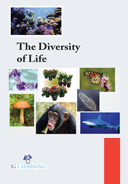
|
Examines the astrobiological origins of life and the emergence of biodiversity in extreme environments.
Gives a comprehensive understanding of the enormous diversity of life on this planet and will be an enlightening and educational resource for students from a variety of backgrounds. |
| |
|
| SE01-480 |
Cellular Therapy |
| |
Shraddha Gautam/ 9781773613710/ Price:US$ 165.00
|
| |
|

|
This book examines the current state and future prospects of cell therapy. An essential guide to the data, basic science, outcome studies and decision-making processes in blood and marrow stem cell transplantation. Stem cell research also involves complex ethical and legal considerations since they involve adult, foetal tissue and embryonic sources. The book provides a resource for students that will help them learn the basics in a detailed manner that is required for scientists and clinicians. |
| |
|
| SE01-480 |
GTPasses in Cellular Signalling |
| |
Prerna Pandey/ 9781773613871/ Price:US$ 165.00
|
| |
|

|
GTPases in Cellular Signaling studies several aspects of cellular signaling including an extensive overview of GTPases and related concepts. It includes definitions of GTPASES in Signaling, GTPASES in Prokaryotes and latest trends in the cellular signaling. Provides the reader with insights into the development of its understanding, so as to innovate technologies in this context. |
| |
|
| SE01-480 |
Remote sensing in Biology: An overview |
| |
Prerna Pandey/ 9781773611921/ Price:US$ 165.00
|
| |
|

|
Remote Sensing in Biology: An Overview explains various aspects of remote sensing in biology describing the benefits and uses of remote sensing in agriculture and forestry. It includes the definition of remote sensing, application of remote sensing in health, introduction of digital technology and its connection with the conservation of nature and remote sensing in ecology. Provides the reader with the insights into development of remote sensing, so as to understand the use and benefits of this technology in conserving the natural resources and ecosystem. |
| |
|
| SE01-480 |
Gene Editing: An Update |
| |
Prerna Pandey/ 9781773614731/ Price:US$ 165.00
|
| |
|
|
Gene Editing: An Update examines various aspects of gene editing including an extensive overview about the tools that are used in editing of genes and related concepts. It includes definitions of genomic editing, gene editing and Cas system. Provides the reader with insights into the development of its history, so as to understand the future of gene editing together with knowledge of ethics involved in gene editing. |
| |
|
| SE01-480 |
Proteomics in Biomarker Identification |
| |
Mohamed A. Selmy/ 9781773610825/ Price:US$ 165.00
|
| |
|
|
The newly edition packed with methods and techniques, presents a standard operating procedure for sample selection, preparation, and storage, as well as data analysis and modeling. Authoritative and practical, from protein sequence to function will appeal to students in biochemistry, molecular biology and genetics and all postgraduates and researchers with an interest in genomics and proteomics. |
| |
|
| SE01-480 |
Laboratory Manual of Microbiology and Soil Science, 2-Vols/Set. |
| |
Suphiya Khan/ 9781773613352/ Price:US$ 350.00
|
| |
|
|
This book aims to give detailed information on various instruments, techniques and experiment protocols of microbiology and soil biology. The beauty of this book as it comprises chapters for the beginner’s viz. basic microbiological techniques and media preparation for biologists as well as the incorporation of advanced techniques for post graduate and research scholars. This laboratory manual gives a comprehensive idea about the various instruments, their working, troubleshooting and their applications based on student’s feedback, teacher’s input and authors own experiences of 14 years of teaching and research. |
| |
|
| SE01-480 |
Proteogenomics |
| |
Mohamed A. Selmy/ 9781773611594/ Price:US$ 165.00
|
| |
|
|
Proteins are understood to be the main workhorses in the cell, participating in a wide variety of activities from cell structure to inter- and intra-cellular transport. This work integrates key technologies and identifies areas for further development in proteogenomics. Focuses on a comprehensive approach that combines large-scale proteomic data with genomic and/or transcriptomics data in genome annotation refinement and the elucidation of novel regulatory mechanisms. |
| |
|
| SE01-479 |
3GE Collection on Biology: Cell Biology |
| |
/ 9781984623799/ Price:US$ 160.00
|
| |
|
|
The last two decades the field of cell biology has undergone an absolute revolution, leading to major advances in our understanding of cell structure and function.
Comprehensive state-of-the-art information about cell biology, what it is, the people responsible for helping us understand it, and how it affects us in the world today. |
| |
|
| SE01-479 |
3GE Collection on Biology: Computational Biology |
| |
/ 9781984623805/ Price:US$ 160.00
|
| |
|
|
Computational biology has witnessed an unprecedented expansion over the last few years; this book presents a comprehensive overview of the use of computational biology approaches in the drug discovery and development process.
A comprehensive overview of the use of computational biology approaches in the drug discovery and development process. |
| |
|
| SE01-479 |
3GE Collection on Biology: Stem Cell Biology |
| |
/ 9781984623812/ Price:US$ 160.00
|
| |
|
|
Stem cells refer to the undifferentiated biological cells that can divide themselves through mitosis to form more stem cells.
This book provides a comprehensive and engaging overview of the latest innovations in the field.
Stem cell also involves complex ethical and legal considerations since they involve adult, fetal tissue and embryonic sources.
This book provides a comprehensive review of the properties and potential uses of stem cells, including stem cells in tissue engineering, cancer, gene therapy and in dental tissues. |
| |
|
| SE01-479 |
Core Concepts in Biology: Origin and Evolution of Life (Book with DVD) |
| |
/ 9781984620057/ Price:US$ 75.00
|
| |
|
|
Origin and Early Evolution of Life draws on evidence from molecular genetics, the structure and function of extant organisms, and geology.
Examines the astrobiological origins of life and the emergence of biodiversity in extreme environments. |
| |
|
| SE01-479 |
Core Concepts in Biology: Developmental Biology (Book with DVD) |
| |
/ 9781984620064/ Price:US$ 75.00
|
| |
|
|
Knowledge of normal developmental processes can aid in the understanding of developmental abnormalities and other conditions such as cancer.
This book provides a comprehensive survey of the major topics in the field of developmental biology. |
| |
|
| SE01-479 |
Core Concepts in Biology: Microbiology (Book with DVD) |
| |
/ 9781984620088/ Price:US$ 75.00
|
| |
|
|
Focuses on the foundations of microbiology, the bacteria, and bacterial diseases of humans, other microorganisms, disease and resistance.
Provides an introduction to the cell types, chemical mediators, and general mechanisms of the host's first response to invasion. |
| |
|
| SE01-479 |
Core Concepts in Biology: Genetics (Book with DVD) |
| |
/ 9781984620095/ Price:US$ 75.00
|
| |
|
|
Integrates the principles, methods and approaches of epidemiology and genetics in the study of disease etiology.
Students in agriculture, anthropology, botany, medicine, sociology, veterinary medicine, and zoology should add this text to their list of primary reading materials. |
| |
|
| SE01-479 |
Core Concepts in Biology: Molecular Biology (Book with DVD) |
| |
/ 9781984620101/ Price:US$ 75.00
|
| |
|
|
Covers the models and methods that are used to understand human genetics, following the historical and recent developments of human genetics.
Focuses on the underlying principles of biochemistry, microbiology, fermentation technology, and chemical engineering as interdisciplinary themes, constructing the foundation of biotechnology and bioengineering. |
| |
|
| SE01-479 |
Signal Transduction in Cancer |
| |
Mohamed A. Selmy/ 9781773614847/ Price:US$ 165.00
|
| |
|
|
Signal Transduction in Cancer examines various factors responsible for the growth of those genetic alteration which results in cancer in a human body. It includes the meaning of G-Protein-Coupled Receptors and tyrosine kinase receptors with methods to control cell cycle. Provide the reader with the insights into the development of various pathways required to control cell growth and division, cell death, cell fate, and cell motility. |
| |
|
| SE01-479 |
Advances in Biomaterials innovation and Application |
| |
Preethi Kartan/ 9781773615097/ Price:US$ 165.00
|
| |
|
|
Innovations in biomaterials are playing a great role in its application in field of health care and is playing a pivotal role in developing the treatment for cases, where no cure was available earlier. The Advances in Biomaterials innovation and Application discusses advances, innovations and applications in remedial impact in cancer immunotherapy, as a platform for cell therapy, smart biomaterials. The Personalised computational cardiology, Biomaterial Approaches to Enhancing Neurorestoration, Approaches to Peripheral Nerve Repair along with current trends, progress and challenges in biomaterials are discussed in greater detail. |
| |
|
| SE01-479 |
Flow Cytometry and Cell Sorting |
| |
Prerna Pandey/ 9781773613888/ Price:US$ 165.00
|
| |
|
|
Flow cytometry allows a cell population to be analysed. This book describes the technology involved. This book covers managing flow cytometry/cell sorting core facilities for the emerging researchers, in particular in developmental, cellular, and molecular biology. This is a most useful book which will be a welcome addition for personal use and also for laboratories in a variety of disciplines. |
| |
|
| SE01-479 |
Principles of Molecular Virology |
| |
Carlos Tello Lacal/ 9781773613895/ Price:US$ 165.00
|
| |
|

|
Principles of Molecular Virology takes into account various dimensions of molecular virology and evaluate the meaning of viruses and virology. It includes a brief description about virus particles, genomes, replication and Gene expression. Provide the reader with the insights into the development of bioinformatics and metagenomics, so as to understand the fundamental aspects of virology, along with the structure of virus particles and genome and Nongenetic Interactions between Viruses. |
| |
|
| SE01-479 |
Biocomputation and Biomedical Informatics |
| |
U. S. Raghavender/ 9781773613949/ Price:US$ 165.00
|
| |
|
|
Bio computation and Biomedical Informatics examines various aspects of biomedical informatics including an extensive overview of various computational languages and their processing. It includes definitions of computing languages, sequence alignments and other important terms. Provides the reader with insights into the development of bio computation and biomedical informatics, so as to understand its application and importance in practical life. A practical computational approach through a case study of a patient is given to understand the scope and calculations are made using biomedical image processing. |
| |
|
| SE01-479 |
Molecular Toxicology |
| |
Elena Ostrakhovitch/ 9781773613963/ Price:US$ 165.00
|
| |
|

|
Molecular Toxicology considers various aspects of toxicoloy including an extensive overview of molecular toxicology and related terms. It includes definitions of Alcohol Toxicity, Asphyxiants and discusses these topics in detail to provide an broader perspective to the subject. Provides the reader with insights into the development of molecular toxicology, so as to understand the basics and advanced topics in this particular subject. As this topic is concerned with the effects of various chemical components on living organisms, this text provides the accurate and extensive information on this. |
| |
|
| SE01-479 |
Bioactive Compounds from Microbes |
| |
R J Jonathan/ 9781682514696/ Price:US$ 155.00
|
| |
|
|
Microbial bioactive compounds have received growing attention for their implications in human health. This book covers all aspects of bioactive products from microbes, including antibiotic compounds, polysaccharides, inhibitors, enzymes, peptides, and pigments. These are used in various fields of biology that range from nutraceuticals to cosmeceuticals. Marine bacteria and fungi are of considerable importance as new promising sources of a huge number of biologically active products. This book will be of great interest to students and researchers working in the very active and competitive fields of antibiotic and agrochemical discovery. |
| |
|
| SE01-479 |
Biology of Methylotrophs |
| |
Cristiana Adalynn/ 9781682505007/ Price:US$ 155.00
|
| |
|

|
Both plant and environmental factors are involved in shaping the methylotroph community on plants. This book is not intended to provide a comprehensive review of metabolism of methylotrophic bacteria. Instead this book focuses on significant recent discoveries that are both refining and transforming the current understanding of methylotrophy as a metabolic phenomenon. The book also examines new directions in methylotroph ecology that improve our understanding of the role of methylotrophy in global biogeochemical processes, including the future challenges in the field perspective. |
| |
|
| SE01-479 |
Amino Acid: New Insights and Applications |
| |
Ronald Dumond/ 9781682505014/ Price:US$ 155.00
|
| |
|

|
Major amino acids for the food and animal feed industries are today produced on a very large scale using fermentation or synthetic processes. This book provides useful information on new aspects of amino acid structure, synthesis reactions, dietary application in animals, and metabolism in plants. The therapeutic use of amino acids presents a viable and important option for natural medicine. This book will appeal to practicing researchers, academics, PhD students and other scientists. |
| |
|
| SE01-479 |
Biology and Radiobiology of Anucleate Systems |
| |
Alexis Jahanbin/ 9781682505045/ Price:US$ 155.00
|
| |
|

|
Human body is built of about one trillion cells. Anucleate cells of Acetabularia are capable of performing morphogenesis over a period of more than four weeks after removal of the nucleus. This book describes the methods for the isolation and characterization of anucleate mammalian cells and the techniques for the fusion of anucleate and nucleated cells; and outlines certain of the potential experimental applications of anucleate mammalian cell systems. The book will be very useful for students and beginners to gain insight into new area, as well as for experts and scientists to find new facts and expand their scientific horizons through biological sciences and biomedicine. |
| |
|
| SE01-479 |
Biology of Foodborne Parasites |
| |
Katty George/ 9781682505052/ Price:US$ 150.00
|
| |
|

|
Foodborne parasitic diseases are an important cause of illness and economic loss world-wide. Over the past decade there has been a growing recognition of the involvement of the home in several public health and hygiene issues. This book covers state-of-the-art review on significant progress and outlines key biological techniques applied to foodborne parasitic pathogens research. This book explores the different types of foodborne parasites, the dynamics of parasite transmission in different food sources, and the prevention and control of foodborne parasites in the food chain. |
| |
|
| SE01-479 |
Emerging Technology for Diagnostic Microbiology |
| |
Vikas Mishra/ 9781773615257/ Price:US$ 165.00
|
| |
|
|
Emerging Technology for Diagnostic Microbiology examines various aspects of microbiology from fundamentals to advanced emerging technology. It includes definitions of PCR in diagnostic virology, technology in molecular detection and strain typing of microbes and microarray for diagnostic microbiology. Provides the reader with insights into the development of emerging technologies of diagnostics microbiology, so as to understand its application, innovation. |
| |
|
| SE01-479 |
Antimicrobial Resistance |
| |
Valeria Severino/ 9781773615226/ Price:US$ 165.00
|
| |
|
|
Antimicrobial Resistance discusses the importance of this topic along with explaining that antimicrobial resistance is a priority for global health action. The book discusses the antimicrobial resistance mechanism and its potential treatments in detail. Provides the readers with advanced topics related to antimicrobial resistance like Metagenomics of Antimicrobial Resistance, characterization of antimicrobial resistance determinants, detection of antimicrobial resistance-associated proteins by titanium dioxide-facilitated intact bacteria mass spectrometry and quantifying the evolutionary conservation of genes. |
| |
|
| SE01-479 |
Concepts, Compounds and the Alternatives of Antibacterials |
| |
Valeria Severino/ 9781773615233/ Price:US$ 165.00
|
| |
|

|
Concepts, compounds and the alternatives of antibacterials examines various aspects of Antibacterial Drugs From Basic Concepts to Complex Therapeutic Mechanisms of Polymer Systems, including an extensive overview of antibacterial drugs. It includes Antibacterial Effects of Cinnamon: From Farm to Food, Cosmetic and Pharmaceutical Industries, Bactericidal Properties of Plants-Derived Metal and Metal Oxide Nanoparticles (NPs), Unique Features and Anti-microbial Targeting of Folate- and Flavin-Dependent Methyltransferases Required for Accurate Maintenance of Genetic Information. Provides the reader with insights into the development of its history, so as to understand the Antibacterial Hydrogels, Evaluation of meso-substituted cationic corroles as potential antibacterial agents, Antibacterial, Hydrophilic Effect and Mechanical Properties of Orthodontic Resin Coated with UV-Responsive Photocatalyst, Comparison of antibacterial activity of alexidine alone or as a final irrigant with sodium hypochlorite and chlorhexidine. |
| |
|
| SE01-479 |
Cellular signaling and phosphoproteomics |
| |
Aleksei Anatoliyovych Stepanenko/ 9781773615141/ Price:US$ 165.00
|
| |
|
|
Cellular signaling and phosphoproteomics examines various aspects of cellular signaling including an extensive overview of advances in mass spectrometry based strategies to study receptor tyrosine kinases and Phosphoproteome discovery in human biological fluids. It includes Understanding cell signaling in cancer stem cells for targeted therapy, Role of Protein Phosphorylation in the Regulation of Cell Cycle and DNA-Related Processes in Bacteria, Mass Spectrometry Offers Insight into the Role of Ser/Thr/Tyr Phosphorylation in the Mycobacteria, Computational phosphoproteomics. Provides the reader with insights into the development of its history, so as to understand the Impact of Protein Phosphorylation on Chlamydial Physiology, Phosphotyrosine profiling of curcumin-induced signaling and Deep Phosphoproteomic Measurements Pinpointing Drug Induced Protective Mechanisms in Neuronal Cells. |
| |
|
| SE01-479 |
Advances in structure of membrane proteins |
| |
Aleksei Anatoliyovych Stepanenko/ 9781773615158/ Price:US$ 165.00
|
| |
|
|
Cellular signaling and phosphoproteomics examines various aspects of cellular signaling including an extensive overview of advances in mass spectrometry based strategies to study receptor tyrosine kinases and Phosphoproteome discovery in human biological fluids. It includes Understanding cell signaling in cancer stem cells for targeted therapy, Role of Protein Phosphorylation in the Regulation of Cell Cycle and DNA-Related Processes in Bacteria, Mass Spectrometry Offers Insight into the Role of Ser/Thr/Tyr Phosphorylation in the Mycobacteria, Computational phosphoproteomics. Provides the reader with insights into the development of its history, so as to understand the Impact of Protein Phosphorylation on Chlamydial Physiology, Phosphotyrosine profiling of curcumin-induced signaling and Deep Phosphoproteomic Measurements Pinpointing Drug Induced Protective Mechanisms in Neuronal Cells. |
| |
|
| SE01-479 |
Advances and Applications of Immobilization |
| |
Jaspreet Banga/ 9781773615127/ Price:US$ 165.00
|
| |
|

|
Advances in beekeeping is a detailed guide that discusses beehive management, social apoptosis in honey bee superorganisms, and bee breeding & genomic approaches in a detailed manner. The book discusses perception of community on beekeeping, management and constraints in beekeeping in various locations where this business is prominent. Ethiopia is kept in focus to explain the local honeybee subspecies, their productive characteristics, and behaviour. Later in the book, the genomic approaches and bee breeding has been explained, that include Methods to estimate breeding values, Simulating a base population in honey bee and Social genetic and social environment effects on a cooperative breeding bird. |
| |
|
| SE01-479 |
Bacterial Cell Biology |
| |
Stephen Rego/ 9781773615356/ Price:US$ 165.00
|
| |
|
|
Bacterial Cell Biology has been divided in to four parts for easy understanding. The book is a complete reference material for readers interested in bacterial cell biology. Recent technological developments in clinical microbiology have also been covered to provide readers with a whole sum perspective of Bacterial Cell Biology. |
| |
|
| SE01-479 |
Ecological Genomics |
| |
U. S. Raghavender/ 9781773613680/ Price:US$ 165.00
|
| |
|
|
Ecological Genomics examines various aspects of genomics in specifically ecological domain including an extensive historical overview of genomics and related concepts. It includes definitions of genomics, biophython bioinformatics analysis and python for processing ecological data. Provides the reader with insights into the development of its history, so as to understand the background of genomics. Additionally, it includes subsetting, clone correction and structure. |
| |
|
| SE01-479 |
Environment and Society: Sustainability, Policy and the Citizen |
| |
Pamela Brayden/ 9781682505878/ Price:US$ 145.00
|
| |
|

|
The economic growth reflects the urgency of consideration and the pace and scale of change with respect to the water crisis, deforestation, biodiversity loss, and environmental justice, which are just some of the many compelling challenges facing society today and in the future. The book focuses on environmental studies, together with subjects of theoretical, methodological, substantive, and applied significance. Coverage includes interactions among society, development and environment, and their implications for sustainable development; technical, economic, ethical and philosophical aspects of sustainable development; local, regional and global sustainability and their practical implementation. |
| |
|
| |
Principles of Genetic Engineering |
| |
Tripti Sahu/ 9781773612447/ Price:US$ 165.00
|
| |
|
|
This text offers clear, comprehensive and unique coverage of genetics, with an emphasis on applications, including basic molecular cloning procedures; genetic modification of cells, including stem cells; as well as multicellular organisms, using problem-based case study examples applied in basic biology, agriculture, biotechnology, and medicine. |
| |
|
| |
Bacterial Cell Biology |
| |
Olivia Bouisset/ 9781773611907/ Price:US$ 160.00
|
| |
|
|
Edited by experts in the field, this book includes contributions discussing dimensional organization of the bacterial cell, various subcellular structures found in bacteria. Providing an integrated collection of contributions from leading researchers and scientists; this book will be of invaluable reference for researchers and of general use to teachers, advanced students in the life sciences, and all scientists in bacterial cell biology. |
| |
|
| VE01-91 |
Applying Big Data Analytics in Bioinformatics and Medicine |
| |
Lytras, Miltiadis D./ 9781522526070/ Price:US$ 245.00
|
| |
|
|
Many aspects of modern life have become personalized, yet healthcare practices have been lagging behind in this trend. It is now becoming more common to use big data analysis to improve current healthcare and medicinal systems, and offer better health services to all citizens.
Applying Big Data Analytics in Bioinformatics and Medicine is a comprehensive reference source that overviews the current state of medical treatments and systems and offers emerging solutions for a more personalized approach to the healthcare field. Featuring coverage on relevant topics that include smart data, proteomics, medical data storage, and drug design, this publication is an ideal resource for medical professionals, healthcare practitioners, academicians, and researchers interested in the latest trends and techniques in personalized medicine.
Topics Covered
•Business Intelligence
•Drug Design
•Image processing
•Medical Data Storage
•Medical Datasets
•Protein Docking
•Proteomics
•Smart Data |
| |
|
| SE01-479 |
Antimicrobial Peptides. |
| |
Maria Emilova Velinova/ 9781773610832/ Price:US$ 155.00
|
| |
|
|
Mainly focused on the antimicrobial peptides (AMPs) – short amphipathic charged membrane proteins isolated from various lower organisms; the book summarizes up-to-date collections of current research and experimental methods for the isolation, characterization and production of AMPs with a wide spectrum of targets involving viruses, bacteria, fungi, and parasites. It discusses the correlations between activity and typical features of AMPs which will allow the design of new artificial AMPs with augmented activity. |
| |
|
| SE01-479 |
Applications of Polymerase Chain Reaction. |
| |
Sarika Garg/ 9781773611235/ Price:US$ 165.00
|
| |
|

|
This book integrates the latest studies related to PCR and its applications. Exploring an introduction to polymerase chain reaction, the application of reverse transcriptase-polymerase chain reaction (RT-PCR) in the rapid detection of pathogen in water samples and PCR methods for accurate and rapid screening of the genetically modified organisms in foods are presented. The reader is given an understanding and appreciation of the principles of PCR and how, why, and where it should be applied. The book explains the principles behind PCR and its role in the diagnostic and public health laboratory. |
| |
|
| SE01-479 |
Applications of Microorganisms in Industrial Biotechnology. |
| |
Patricia Alexandra Batista Branco/ 9781773612010/ Price:US$ 160.00
|
| |
|
|
The book provides an overview of the main production hosts and platform organisms used today as well as promising future cell factories. Designed for students and practitioners of biotechnology and related fields, this book describes the potential applications of microorganisms in biotechnology in the industrial sector. |
| |
|
| SE01-479 |
Theory, Practice and Techniques in Cell Biology. |
| |
3G Editorial Board/ 9781680947502/ Price:US$ 75.00
|
| |
|
|
The book delivers comprehensive, clearly written, and richly illustrated content to today's students, all in a user-friendly format.
Focuses on the underlying principles that illustrate both how cells function as well as how we study them.
This book is intended for graduate and undergraduate students of Life Sciences. |
| |
|
| SE01-479 |
Theory, Practice and Techniques in Biology. |
| |
3G Editorial Board/ 9781680947564/ Price:US$ 75.00
|
| |
|
|
Provides a philosophical analysis of such biological concepts as natural selection, adaptation, speciation, and evolution.
Describes the discipline's history, explains its basic theories and concepts, demonstrates modern methods and research tools, and discusses noteworthy discoveries.
The social, environmental, and technological aspects of biology are discussed throughout the book and students are encouraged to explore topics in depth through investigational and practical work. |
| |
|
| SE01-479 |
Biogeography and Biodiversity |
| |
Judith Rosales/ 9781773612065/ Price:US$ 165.00
|
| |
|
|
This book integrates science and policy perspectives to biogeography and biodiversity This book will provide a resource of information and ideas and extensive references to issues of primary concern including how species arise, disperse, diversify and become extinct, the book examines: how environmental factors influence animals and plants; the development of preventive and educational components of conservation biogeography are examined as well. |
| |
|
| SE01-472 |
Illustrated Dictionary of Microbiology. |
| |
/ 9781984600288/ Price:US$ 95.00
|
| |
|
|
This illustrated dictionary provides concise definitions and explanations of microbiology related terms together with state-of-the-art scientific and practical terms, presented in an easy-to-use, A-Z order with pictures and figures as well as examples are given to clarify the terms.
The dictionary not only defines terms used in microbiology but also includes terms associated with molecular biology, historical figures in the field, and microorganisms of significance.
|
| |
|
| SE01-472 |
Illustrated Dictionary of Biology. |
| |
/ 9781984600394/ Price:US$ 95.00
|
| |
|
|
|
This illustrated dictionary provides concise definitions and explanations of biological terms together with state-of-the-art scientific and practical terms, presented in an easy-to-use, A-Z order with pictures and figures as well as examples are given to clarify the terms.
This Illustrated Dictionary has been designed to motivate students to effort mastering biology vocabulary. |
| |
|
| SE01-472 |
Illustrated Dictionary of Genetics. |
| |
/ 9781984600639/ Price:US$ 95.00
|
| |
|

|
This illustrated dictionary provides concise definitions and explanations of genetics related terms together with state-of-the-art scientific and practical terms, presented in an easy-to-use, A-Z order with pictures and figures as well as examples are given to clarify the terms.
It is a perfect tool for understanding of genetics related terms for Higher Secondary to Undergraduate students and improving their spelling and grammar. |
| |
|
| SE01-470 |
Genetic Analysis: An Integrated Approach. |
| |
Jaime Sanchez/ 9781682513620/ Price:US$ 155.00
|
| |
|

|
The study of genes has proved to be a powerful approach to understanding biological systems. Because genes affect virtually every aspect of the structure and function of an organism, being able to identify and determine the role of genes and the proteins that they encode is an important step in charting the various processes that underly a particular character under investigation. This book presents insight into the modern tools of genome editing, their hurdles and their huge potential. The purpose of the book is to provide a glimpse into the dynamic process of genetic analysis by presenting the thoughts of scientists who are engaged in the generation of new idea and techniques employed for the assessment of genetic diversity, often from very different perspectives. The book will appeal to students, researchers, and experts in the area of conservation biology, genetic diversity, and molecular biology. |
| |
|
| SE01-470 |
Statistical Methods in Modern Genetics. |
| |
Guodong Tang/ 9781682513637/ Price:US$ 155.00
|
| |
|
|
Statistical genetics has played a pivotal role for more than a century in the discovery of genes that cause disease in humans. Driven by advances in molecular genetics and medicine and the continuing improvements in genotyping technology, statistical models and methods have adapted over time to the challenges presented by new study designs. This book emphasizes on the statistical models and methods that are used to understand genetics, following the historical and recent developments of genetics. It provides an overview of the range of statistical methods that can be used to answer different immunological study questions. In addition, it discusses specific aspects of immunological studies and give examples of typical scientific questions related to immunological data. |
| |
|
| SE01-470 |
Immobilized Microbial Cells: Research and Development. |
| |
Cindy Pope/ 9781682513781/ Price:US$ 145.00
|
| |
|
|
The cell immobilization emerged as a substitute for enzyme immobilization. Immobilization of cells covering specific enzymes has further advantages such as elimination of long and expensive procedures for enzymes separation and purification and it is vital to expand their application by enabling easy separation and purification of products from reaction mixtures and efficient recovery of catalyst. This book presents the potential of immobilized microbial cells for biological treatment, the fundamentals, history and advantages of immobilized cells compared with suspended cells, characteristics of support materials and the principal methods of immobilization, with special emphasis for natural immobilization by cell adsorption. The cell immobilization process has also triggered the interest in bioreactor design. |
| |
|
| SE01-470 |
Molecular Biotechnology: Applications and Strategies. |
| |
Craig Cook/ 9781682513927/ Price:US$ 150.00
|
| |
|
|
Biotechnological research and development are moving at a very fast rate. The subject has assumed greatest importance in recent years in the development of agriculture and human health. The science of biotechnology has endowed us with new tools and tremendous power to create novel genes and genotypes of plants and animals. This is a practical, up-to-date guide to this rapidly growing field. Therapeutic Applications and Strategies applies the principles of modern biotechnology to developments and trends in the development of therapeutic strategies and approaches to disease prevention and intervention. By focusing on select applications and strategies, this issue exemplifies the convergence of biological, chemical, and informational advances in the discovery of novel targets and drugs. |
| |
|
| SE01-470 |
Frontiers in Cryopreservation. |
| |
Zing Nyung Lee/ 9781682504932/ Price:US$ 155.00
|
| |
|
|
|
|
| |
|
| SE01-470 |
Current Topics in Phylogenetics. |
| |
David W. Gagel/ 9781682504949/ Price:US$ 155.00
|
| |
|

|
|
| |
|
| SE01-470 |
Handbook of Morphometrics. |
| |
C. R. Clinton/ 9781682504963/ Price:US$ 150.00
|
| |
|
|
|
|
| |
|
| SE01-470 |
Biomacromolecular Mass Spectrometry. |
| |
Paul K. Sung/ 9781682504970/ Price:US$ 150.00
|
| |
|
|
|
| |
|
| SE01-470 |
Handbook of Chemistry, Biochemistry and Biology. |
| |
Alisa Okino/ 9781682504994/ Price:US$ 155.00
|
| |
|

|
This book brings together of physics, chemistry and biology with integration of mathematics and with practical applications in medicine and agriculture. The book is devoted to these topics contributed by renowned contributors. It describes the chemical and physicochemical properties of these glucans and their derivatives and the molecular biological and structural aspects of the enzymes involved in their formation and breakdown. It also includes information about biological activity of different enzymes in process of oxidation in vivo and in vitro, investigation of the properties of lipids in plants and in animals. |
| |
|
| SE01-470 |
Illustrated Handbook of Proteomics. |
| |
3G Editorial Board/ 9781680949391/ Price:US$ 180.00
|
| |
|
|
This book provides a highly authoritative introduction to the promising and fast-advancing field of proteomics, investigating the role of proteomics plays in the study of biological systems.
Illustrates the progressively important role of mass spectrometry in proteomic research, and emphasizes recent advances in the existing technology and describes the advantages and pitfalls as well.
Offers a broad perspective on topics related to the use of proteomic strategies in cancer therapy and addresses challenges that may arise from its application. |
| |
|
| SE01-470 |
Illustrated Handbook of Nanobiology. |
| |
3G Editorial Board/ 9781680945591/ Price:US$ 180.00
|
| |
|
|
This book presents the basics, fundamental results and latest achievements of nanobiology.
Presents the trends in nanofabrication and nanoimprint technology, followed by a detailed discussion on the design, fabrication, and evaluation of nanoimprint biosensors.
This book builds a strong background in nanotechnology and nanobiology ideal for graduate and under graduate students. |
| |
|
| SE01-470 |
3GE Collection on Biology: Evolutionary Biology. |
| |
3G Editorial Board/ 9781680959253/ Price:US$ 160.00
|
| |
|
|
This book resents the understanding of the origins and diversity of life.
Looks at the molecules and cells that make bones and cartilages and how they differ in various parts of the body and across species.
Provides a focal point for broad syntheses, in-depth treatment and controversial ideas.
This book focuses on drosophila as an especially useful model organism for exploring questions of evolutionary biology in the full range of evolutionary studies. |
| |
|
| SE01-470 |
Recent Advances in Super-Resolution Microscopy Imaging. |
| |
Aleksei Anatoliyovych Stepanenko/ 9781773610320/ Price:US$ 165.00
|
| |
|
|
This book explores the various approaches, which can be successfully used in live cells, the tradeoffs in resolution, speed, and ease of implementation, which one must make for each approach, and the quality of results that one might expect from each technique. It introduces the recent development of optical microscopy that has achieved spatial resolution beyond the diffraction limit, there by opening up new applications in biomedicine. |
| |
|
| SE01-470 |
Comparative Growth of Mammalian, Insect and Plant Cells. |
| |
Carlos Tello Lacal/ 9781773610504/ Price:US$ 210.00
|
| |
|
|
|
| |
|
| SE01-470 |
Advances in Bioprocess Technology. |
| |
Preethi Kartan/ 9781773611051/ Price:US$ 165.00
|
| |
|

|
This book provides a wide-ranging overview of the latest research in environmentally integrated bioprocess technology. Consisting of peer-reviewed articles reporting on the latest developments in several food engineering and agricultural processing, with contributions from a team of international researchers who present a blend of classical and emerging technologies, the chapters will detail the key advances and emerging trends in the bioprocessing industry which have greater adoption and potential. |
| |
|
| SE01-470 |
Theory, Practice and Techniques in Microbiology. |
| |
3G Editorial Board/ 9781680947533/ Price:US$ 75.00
|
| |
|
|
This book offers an exhaustive treatment of the techniques in the multidisciplinary field of applied microbiology, and a detailed survey of recent and important advances.
Focuses on the interaction of microorganisms and the host cell, presenting detailed experimental techniques for modern microbiological research.
This book will be essential for all students and professionals actively involved in natural and environmental sciences and engineering, and for those working in industry, authorities, and consulting companies. |
| |
|
| SE01-470 |
Commercial Aspects of Biotechnological Processes. |
| |
Nacvodita Bhatnagar/ 9781773611624/ Price:US$ 160.00
|
| |
|
|
This book provides an overview of the main product classes and platform chemicals produced by biotechnological processes today, with applications in the food, healthcare and fine chemical products. Both macro- and microeconomic aspects of biotechnology are discussed in this book for biologists studying microbiology, biochemistry and genetics. It also deals with some aspects of the pharmaceutical approval process—marketing authorizations and certain testing requirements. |
| |
|
| SE01-470 |
Plasmid Biology. |
| |
Patricia Marques/ 9781773611723/ Price:US$ 160.00
|
| |
|
|
Specializing in plasmids and their biomedical use, including all relevant aspects of production, applications, quality, and regulations; this book explains the various contributions that plasmids make to this pool: the replication, stable inheritance and transfer modules, the phenotypic markers they carry, the way they evolve, the ways they contribute to their host. It is an invaluable reference for molecular biologists, microbiologists, and biotechnology researchers. |
| |
|
| SE01-470 |
Microbial Biofilms. |
| |
Jaspreet Banga/ 9781773611792/ Price:US$ 160.00
|
| |
|
|
This book discusses the various studies on biofilm formation on various surfaces and its implications i.e. the affects that biofilm have on many areas of human activity including food processing, transportation, public infrastructure, and most importantly healthcare; overall an interesting read. In this book, leading scientists and researchers provide an up-to-date review of the latest scientific research on these fascinating microbial communities and predict future trends and growth areas in biofilm-related research. |
| |
|
| SE01-470 |
ELISA: Theory and Practice. |
| |
Patricia Marques/ 9781773611761/ Price:US$ 160.00
|
| |
|

|
This book is only a short overview of the big field that is the ELISA technique world with new methods being developed daily. New methods combining this method with RFLP, PCR, microarray, microfluidics, live-cell imaging, etc. are also discussed. The book provides readers wide-ranging coverage of the basic systems that make ELISA one of the most powerful techniques in science today, and also examines in detail the data obtained by ELISA and their analysis and actual manipulation. |
| |
|
| SE01-470 |
Molecular Diagnostics. |
| |
Patricia Marques/ 9781773611754/ Price:US$ 160.00
|
| |
|
|
In this book, an attempt is made to offer an insight on the common molecular techniques that are in use and recent advances in in medical and veterinary science, forensics, biodefense, plant science, food safety and quarantine science. Providing a comprehensive and practical overview of the state-of-the-art molecular biological diagnostic strategies that are currently used in a wide variety of disciplines; the book will be equally useful to students, scientists and professionals working in the field of molecular diagnostics. |
| |
|
| SE01-470 |
Micro- and Nanosystems for Biotechnology. |
| |
Abhishek Gupta/ 9781773612027/ Price:US$ 160.00
|
| |
|
|
This newly edited book in the advances in material systems for application in medicine and biology will address the novel application of micro and nanosystems in biological research, diagnostics and therapeutics. Speci?cally the book will address research aspects related to material in imaging and biological research, nanomaterials as a bio-sensing tool, oligonucleotides and biopolymer as nanobuilding blocks, nanomaterials for drug delivery, medicinal and therapeutic application and cytotoxicity of nanomaterials. |
| |
|
| SE01-470 |
Methods in Computational Biology. |
| |
U. S. Raghavender/ 9781773612416/ Price:US$ 165.00
|
| |
|
|
This book is an attempt to bring together in one place some of the latest advances in computational biology. With this in mind, we have included tutorials on many of the key topics in the book, designed to introduce biological scientists to some of the computational techniques that might otherwise be unfamiliar to them. This book is written keeping in mind the graduates and researchers studying life sciences using computational techniques. Although, it can also be used by undergraduates as a spring board for exploring the field of Computational Biology. This could serve as a supplement for people involved in specialized research. |
| |
|
| SE01-470 |
Computational Molecular Bioscience: Concepts. |
| |
U. S. Raghavender/ 9781773612423/ Price:US$ 160.00
|
| |
|
|
With the flood of genomics and proteomics data, it is imperative that students in biology have a basic understanding of the data in biological repositories. In this book, we present basic concepts in computational molecular biology in the form of simple capsules. The places which demand detailed explanation have been dealt with accordingly. The presentation has been kept terse short. This book will help readers with the molecular knowledge and stimulates their interest in further investigation and development in the field of computational biosciences. |
| |
|
| SE01-470 |
Biofertilizers and Biofungicides. |
| |
Ghazala Yaqub/ 9781773612539/ Price:US$ 160.00
|
| |
|

|
The purpose of this book is to provide that knowledge about recent advancements in the emerging fields of Biofertilizers and Biofungicides as both of them are considered to be ecofriendly as well as sustainable substitutes to chemical fertilizers and fungicides respectively. With special focus on recent advances in this technology; this book will be of use and interest to consultants, researchers, libraries, and entrepreneurs, manufacturers of Biofertilizers and for those who wants to venture in to this field. |
| |
|
| SE01-470 |
Evolution of Viruses. |
| |
Stephen Rego/ 9781773612911/ Price:US$ 155.00
|
| |
|
|
From major theoretical models to quasi-species models are discuss in detail in this book. In addition to these, the book describes, modern viral genomic analysis providing evolutionary history of viruses to some level. Information about evolution of plant viruses cannot be denied, as plants are the main source of food for all living beings. A section of this book has also touched evolution of plant viruses. It is recommend reading for those who have knowledge about viral evolution and who are seekers of information regarding viral evolution. |
| |
|
| SE01-470 |
Evolutionary Biology. |
| |
Stephen Rego/ 9781773613185/ Price:US$ 160.00
|
| |
|

|
This unique book looks at the biology of aging from a fundamentally new perspective, emphasizing the new intellectual and molecular perspectives that have transformed evolutionary studies in the last decade. The book's wide-ranging topics include expression patterns of genes, developmental bias, the role of developmental genes, and genetic determinism. |
| |
|
| SE01-470 |
Metabolomics. |
| |
Shiv Sanjeevi/ 9781773610627/ Price:US$ 165.00
|
| |
|
|
The arena of metabolomics offers several applications like serving as the molecular phenotype, study evolutionary relationships, tracing toxicity studies and to study the phenotype caused by a genotype change. This book brings together the research, concepts and various key aspects of the field of metabolomics with various techniques used in researching the metabolome and the applications of metabolomics. The authors hope that the book is a unique fingerprint as it offers a comprehensive tool to study the chemical fingerprints of various biological systems. |
| |
|
| SE01-470 |
Bionics: Artificial Life Parts. |
| |
Shiv Sanjeevi/ 9781773611860/ Price:US$ 165.00
|
| |
|
|
The potential of connecting technology between live beings and manufactured items opens up a vista of exciting research. This book explores the study of mechanical systems that function like living organisms or specific parts of living organisms: that seems straight from scenes of a science fiction tale. This book shall include the history, research into the field of bionics along with various aspects of the products/technologies that use bionics and the scope of this field of research. Through this book, the editors hope to increase the interest and research in this field to open up vistas in research. |
| |
|
| SE01-470 |
Biobleaching. |
| |
Shiv Sanjeevi/ 9781773611891/ Price:US$ 160.00
|
| |
|
|
|
Research in the field of bioleaching has examined the use of several enzymes produced by bacteria or fungi or biotechnology or microbes themselves or even a cocktail of nature’s harvest as microbes and their enzymes to remove color. This book serves to address various aspects of this field including the history, research conducted, various agents used for bioleaching and also present a merit-demerit analysis and scope of the subject. The authors seek to do their part to environmental safety as this book offers a comprehensive account of the use of nature’s agents in decolorization, thereby, leaving a world with color for generations ahead. |
| |
|
| SE01-470 |
Bacterial Growth and Division. |
| |
Deepak Anand/ 9781773611914/ Price:US$ 160.00
|
| |
|
|
Providing a comprehensive overview of the structural and molecular biology of cellular processes that occur at or near bacterial membranes; this book points out the problems and experimental approaches. The book also serves as an important depository for state-of-the-art technologies, methods, theoretical simulations and innovative ideas and hypotheses for further research in the field. |
| |
|
| SE01-470 |
Human Microbiota and Microbiome. |
| |
Patricia Marques/ 9781773611730/ Price:US$ 160.00
|
| |
|
|
This book starts with an introduction and description of the Human Microbiome Project, an ongoing effort to understand the Human Microbiome. The next sections look into the microbiota and microbiome of specific body fluids, and tissues. Furthermore, it is dedicated to in vitro and in vivo models for the study of the Human Microbiota and Microbiome, with the study of the metabolome. State-of-the-art chapters are contributed by a group of pioneers in their respective fields. |
| |
|
| SE01-470 |
Molecular Microbial Genetics: Theories and Practical. (With DVD) |
| |
3G Editorial Board/ 9781680947434/ Price:US$ 85.00
|
| |
|

|
Delivering the basic concepts and most exciting developments, this textbook provides an introduction to the molecular genetics of bacteria in appropriate style.
Covers on microbial physiology and genetics, microbial molecular and cellular biology, microbial ecology, microbial pathogenesis and immunology, urology.
This edition is intended for students and professionals in the fields of microbiology, genetics, biochemistry, bioengineering, medicine, molecular biology, and biotechnology. |
| |
|
| SE01-470 |
Applications of Monte Carlo Techniques in Biology and Medicine. |
| |
Marco Marcon/ 9781682513422/ Price:US$ 155.00
|
| |
|
|
Monte Carlo methods are one of the main tools used to study the properties of complex physical, chemical and biological systems. This book brings together specialists in the application areas who understand the specific challenges posed by realistic problems and have developed sophisticated tools to tackle these problems, and mathematicians developing methods for algorithm analysis, abstraction, and optimization. This book will be of beneficial to researchers and practitioners to recent advances and applications of Monte Carlo Simulation (MCS). |
| |
|
| SE01-470 |
Biomaterials and Nanobiotechnology. |
| |
J. Hasan/ 9781682513224/ Price:US$ 150.00
|
| |
|
|
Today, nanomaterials have been designed for a variety of biomedical and biotechnological applications, including biosensors, enzyme encapsulation; neuronal nanotechnology is based on the introduction of novel nano-materials which can result in revolutionary new structures and devices using extremely biological sophisticated tools to precisely position molecules. This book covers the studies of the preparation, performance, and evaluation of biomaterials; the chemical, physical, toxicological, mechanical, electrochemical and optical behavior of nanostructured materials for biotechnology applications. |
| |
|
| SE01-470 |
Recent Discoveries in Human Genome Organization. |
| |
Aleksei Anatoliyovych Stepanenko/ 9781773610290/ Price:US$ 165.00
|
| |
|
|
This simple concise introduction outlines, recent research discoveries, and future perspectives of the numerous aspects of drug discovery research, with the compositional properties of the vertebrate genome, namely its isochore organization, the compositional patterns of DNA molecules and of coding sequences, the compositional correlations between coding and noncoding sequences, and the relationships between isochores and chromosomal bands. It deals with the fundamental properties of the vertebrate genome, namely the distribution of genes and its associated functional features. Finally, it considers how the structural and functional organization of the human genome arose in evolution. |
| |
|
| SE01-470 |
Single-Cell Research: Revolutionizing Molecular Biology. |
| |
Aleksei Anatoliyovych Stepanenko/ 9781773610306/ Price:US$ 165.00
|
| |
|
|
Single-cell analysis has made increasingly significant contributions to our understanding of the role that somatic genome variations play in neuronal diversity and behaviors. In this book, the technologies recently developed for single cell isolation, genome acquisition, transcriptome, and proteome analyses, their applications and the future potentials are thoroughly discussed. The authors present the current state of the art in single cell analysis – from clinical hematology, functional analysis and drug screening, to platelet and microparticle analysis. |
| |
|
| SE01-470 |
Microorganisms and their Utilizations. |
| |
Mazhar Rafique/ 9781773610566/ Price:US$ 160.00
|
| |
|
|
Microorganisms found in nature are involved in various processes essential to life. They differ from each other in the context of diverse mechanisms which they carry out such as carbon fixation, microbial photosynthesis, and nitrogen fixation, etc. Contributed by recognized leaders in the field, deploying information on microorganisms to the advantage of environmental management and other utilizations; this book is intended for researchers and students interested in microbial physiology, microbial ecology, environmental sciences, and extremophilic biotechnology. |
| |
|
| SE01-470 |
Tools and Techniques in Biology. |
| |
Umaiyal Munusamy/ 9781773610580/ Price:US$ 160.00
|
| |
|
|
This book is designed as an intensive introduction to the various tools of biology. It focuses on the materials, methods, tools and techniques being developed in the nanoregime towards the life sciences, providing a complete solution of lively, high quality, affordable book for research chemists at universities or in industry, graduate students of Biology and Human Biology. |
| |
|
| SE01-470 |
Molecular Machines. |
| |
Maria Emilova Velinova/ 9781773610863/ Price:US$ 155.00
|
| |
|
|
|
his book is packed with different methods and strategies to design, synthesize and study molecular machines and motors in a multidisciplinary manner. The book aims to provide the reader with an up-to-date summary of the latest findings in this area and also offers future perspectives on the field giving a detailed review of real examples for natural and artificial molecular machines used in the practice. |
| |
|
| SE01-470 |
Molecular Dynamics Simulations. |
| |
Maria Emilova Velinova/ 9781773610849/ Price:US$ 160.00
|
| |
|
|
Computer modeling has become a significant and appreciated research tool, supplementing the traditional approaches of theory and experiment. This comprehensive book provides a coherent exhibition of the rapidly growing field of applications of the molecular dynamics simulations in many areas of the science and technology, such as biology, medicine and nanotechnology, due to the progresses of new theories and the remarkable power of the modern computers. |
| |
|
| SE01-470 |
Coarse-Grained Molecular Dynamics. |
| |
Maria Emilova Velinova/ 9781773610856/ Price:US$ 160.00
|
| |
|
|
|
Providing an introduction to the coarse-grained models, in which small groups of atoms are treated as single units, allowing extended timescales to be reached. The book discusses the essential equations and provides reasoning and explanations where is required. A wide range of samples and applications, focusing on biochemistry and medicine, are reviewed. |
| |
|
| SE01-470 |
Advances in Biotechniques. |
| |
Preethi Kartan/ 9781773611075/ Price:US$ 165.00
|
| |
|
|
Technologies outlined in this book are categorized as derived from the key disciplines of biochemistry, molecular biology, cell biology, and microbiology or with relevance to impact on life sciences that assemble the detailed necessities in terms of sensitivity, selectivity and high-throughput in order to broaden their applicability. This book presents a state-of-the-art overview of recent developments in biological techniques. |
| |
|
| SE01-470 |
Advances in Molecular Diagnostics. |
| |
Preethi Kartan/ 9781773611099/ Price:US$ 165.00
|
| |
|
|
In this book, an attempt is made to offer an insight on the common molecular techniques that are in use and recent advances in molecular diagnostics. In recent years the area of clinical molecular diagnostics has evolved considerably with the advances in fundamental research and technologies of human genetics. The book will be of interest to students and researchers as well as practicing pathologists, dermatology and pathology residents, dermatologists, and dermatopathologists. |
| |
|
| SE01-470 |
Next Generation Sequencing & Applications. |
| |
Preethi Kartan/ 9781773611105/ Price:US$ 165.00
|
| |
|
|
Aiming to foster future collaborations between researchers in algorithms, bioinformatics, and molecular biology, this book serves as an up-to-date survey of the most important recent developments and computational challenges in various gene sequencing techniques. It will highlight the concepts, technologies, and methods of next-generation sequencing to illustrate the breadth and depth of the applications and research areas that are driving progress in genomics. |
| |
|
| SE01-470 |
RNAi Technologies. |
| |
Prerna Pandey/ 9781773611471/ Price:US$ 160.00
|
| |
|
|
In this book, the authors explore how gene-silencing methodology has been successfully applied as therapeutic tool against metabolic disorders, cancer, and infectious diseases. This tool has also been successfully used to improve crops resistance against plant pathogens. In contrast to conventional knock-out mutagenesis techniques, the “gene-silencing” vectors that allow the study of functions of genes whose complete knock-out would otherwise be lethal to the plant. This book combines reliable RNAi protocols for a variety of species with discussion of strategies for the effective design of experiments using this important new technique that is changing the way experimental science is done. |
| |
|
| SE01-470 |
Metabolic Engineering: New Developments and Applications. |
| |
Prerna Pandey/ 9781773611488/ Price:US$ 165.00
|
| |
|
|
This book reviews the current metabolic engineering tools and technologies from a practical point of view, and guides researchers as they overcome challenges at various stages of organism and bioprocess development. This book provides data-based scientific knowledge and state-of-art information on functional genomics and metabolic engineering intended to researchers and advanced students in biology and engineering to methods of optimizing biochemical systems of biotechnological relevance. |
| |
|
| SE01-470 |
Pyrosequencing: Innovations and Applications. |
| |
Prerna Pandey/ 9781773611501/ Price:US$ 165.00
|
| |
|

|
DNA sequencing is critical to identifying many human genetic disorders caused by DNA mutations, including cancer. Pyrosequencing has opened up new possibilities for performing sequence-based DNA analysis. Pyrosequencing has been successful for both confirmatory sequencing and de novo sequencing. This book packed with key features regarding different aspects of pyrosequencing technology includes the general principles, enzyme properties, sequencing modes, instrumentation, limitations, potential and future applications. |
| |
|
| SE01-470 |
Synthetic Biology: New Insights. |
| |
Prerna Pandey/ 9781773611495/ Price:US$ 165.00
|
| |
|
|
This publication provides insight into significant developments in synthetic biology, and intends to guide students, scientists, as well as technology enthusiasts. Focused on the conceptualization, customization and adaptiveness, design and construction of core components like metabolic pathways, biomolecules and devices and larger systems to solve specific problems; the book is an essential guide to this fascinating new field, and will find a place on the bookshelves of researchers and students working in synthetic chemistry, synthetic and molecular biology, bioengineering, and systems biology. |
| |
|
| GE01-26-5 |
Animal Rights and Welfare: Zoos & Aquarium. |
| |
/ 9781410381149/ Price:US$ 57.00
|
| |
|

|
Zoos and Aquariums presents various points-of-view and key players in the public discourse on the value of zoos and aquariums for education, conservation, and preservation; entertainment aspects and concerns over keeping certain species in captivity, as well as environmental, cultural, and economic issues. It provides a clear summary of positions, and offers data and evidence supporting these positions. The accessible text, written at an 8th grade level, provides clear learning objectives for each chapter and is augmented by relevant charts, graphs, images, primary sources and other visual elements. Critical thinking prompts are interspersed throughout the text. |
| |
|
| GE01-26-4 |
Animal Rights and Welfare: Pets. |
| |
/ 9781410381132/ Price:US$ 57.00
|
| |
|

|
Pets presents various points-of-view and key players in the public discourse on pets, including shelters, pounds, euthanasia, overpopulation, exotic pets, breeding/purebreds, designer pets, puppy mills, animal hoarding and other relevant topics. It provides a clear summary of positions, offers data and evidence supporting these positions. The accessible text, written at an 8th grade level, provides clear learning objectives for each chapter and is augmented by relevant charts, graphs, images, primary sources and other visual elements. Critical thinking prompts are interspersed throughout the text. |
| |
|
| GE01-26-3 |
Animal Rights and Welfare: Laboratory Animals. |
| |
/ 9781410381101/ Price:US$ 57.00
|
| |
|
|
Laboratory Animals presents various points-of-view and key players in the public discourse on the use of animals for testing and research, animal research as big business, how legislation protects some animals and how it fails, provides a clear summary of positions, and offers data and evidence supporting these positions. The accessible text, written at an 8th grade level, provides clear learning objectives for each chapter and is augmented by relevant charts, graphs, images, primary sources and other visual elements. Critical thinking prompts are interspersed throughout the text. |
| |
|
| GE01-26-2 |
Animal Rights and Welfare: Farm Animals. |
| |
/ 9781410381125/ Price:US$ 57.00
|
| |
|

|
Farm Animals presents various points-of-view and key players in the public discourse on animals in agriculture and the development and impacts of industrial farming on the welfare of livestock, including living conditions; methods of production and slaughter; differences among factory, family, organic, and free-range farms; the use of antibiotics and hormones; and the effects of consumer preferences. The accessible text, written at an 8th grade level, provides clear learning objectives for each chapter and is augmented by relevant charts, graphs, images, primary sources and other visual elements. Critical thinking prompts are interspersed throughout the text. |
| |
|
| GE01-26-1 |
Animal Rights and Welfare: Big Game Hunting. |
| |
/ 9781410381118/ Price:US$ 57.00
|
| |
|

|
Big Game Hunting presents various points-of-view and key players in the public discourse on hunting large game, from deer and moose, to endangered species such as elephants and rhinoceros. Explains the practice of big game hunting, hunting as a wildlife management approach, and controversies and laws related to big game hunting, including big game hunting in Africa. Moral arguments for and against the practice are presented. The accessible text, written at an 8th grade level, provides clear learning objectives for each chapter and is augmented by relevant charts, graphs, images, primary sources and other visual elements. Critical thinking prompts are interspersed throughout the text. |
| |
|
| GE01-26 |
Animal Rights and Welfare, 5-Vols/Set. |
| |
/ 9781410381095/ Price:US$ 259.00
|
| |
|

|
Animal Rights and Welfare is a 5-volume set that provides coverage of engaging and timely topics related to social issues around animal rights and welfare. Each volume in the series focuses on a distinct subject, such as animal agriculture or hunting, and features historical context as well as a variety of points-of-view and information on the key players in the public discourse. Moral arguments for all sides are examined. The accessible text, written at an 8th grade level, provides clear learning objectives for each chapter and is augmented by relevant charts, graphs, images, primary sources and other visual elements. Critical thinking prompts are interspersed throughout the text. The content supports common core ELA standards and Next Generation Science Standards and is relevant to the study of social issues in the biological, agricultural and environmental sciences, as well as in English language arts, history, social studies and civics classes. The subject of animal rights and welfare is a popular choice for student research papers and debate topics.
|
| |
|
| VE01-85 |
Comparative Approaches to Biotechnology Development and Use in Developed and Emerging Nations |
| |
Bas, Tomas Gabriel/ 9781522510406/ Price:US$ 205.00
|
| |
|
|
The development of biotechnological innovations is quickly becoming a globalized phenomenon as emerging nations are making major strides to compete with more developed economies. Though efforts to bridge the gap between emerging and developed nations have been successful, there are still many barriers that need to be overcome.
Comparative Approaches to Biotechnology Development and Use in Developed and Emerging Nations evaluates the importance of manufacturing biotechnological products around the world. Highlighting a comparative analysis of public policies, technological policies, innovations, and marketing capabilities of developed and emerging nations, this publication is a pivotal reference source for government officers, policy makers, academics, and practitioners.
Topics Covered
•Economic Development
•Entrepreneurship
•Nutraceuticals
•Product Development
•Public Policies
•Supply Chain
•Technological Innovation
|
| |
|
| SE01-488 |
General Biology 1 (Book with DVD) |
| |
/ 9781680953947/ Price:US$ 75.00
|
| |
|
|
|
|
| |
|
| SE01-475 |
Computational Biology. |
| |
Kumar, Ashwani/ 9781680945362/ Price:US$ 145.00
|
| |
|
|
Computational Biology provides a comprehensive guidance in the development and application of data-analytical and theoretical methods, mathematical modeling and computational simulation techniques to the study of biological systems. Computational Biology, sometimes referred to as bioinformatics, is the science of using biological data to develop algorithms and relations among various biological systems. Prior to the advent of computational biology, biologists were unable to have access to large amounts of data. Computational biomodeling is a field concerned with building computer models of biological systems. Computational biomodeling aims to develop and use visual simulations in order to assess the complexity of biological systems. |
| |
|
| SE01-475 |
Biodiversity: An Introduction. |
| |
Cortes, Pauline G. T./ 9781680946161/ Price:US$ 145.00
|
| |
|
|
Biodiversity is the variety of life. It can be studied on many levels. At the highest level, you can look at all the different species on the entire Earth. On a much smaller scale, you can study biodiversity within a pond ecosystem or a neighborhood park. Biodiversity is the foundation of ecosystem services to which human well-being is intimately linked. No feature of Earth is more complex, dynamic, and varied than the layer of living organisms that occupy its surfaces and its seas, and no feature is experiencing more dramatic change at the hands of humans than this extraordinary, singularly unique feature of Earth. Biodiversity allows us to live healthy and happy lives. It provides us with an array of foods and materials and it contributes to the economy. Without a diversity of pollinators, plants, and soils. |
| |
|
| SE01-463 |
Essential Bioinformatics. |
| |
Kumar, Ashwani/ 9781680945225/ Price:US$ 145.00
|
| |
|
|
This is a concise and comprehensive textbook of bioinformatics that provides a broad introduction to entire field. Valuable for life science students, the basics and key areas of bioinformatics are covered followed by the computational tools to solve biological research problems. Bioinformatics is an interdisciplinary field that develops methods and software tools for understanding biological data. It is the application of computer technology to the management of biological information. Computers are used to gather, store, analyze and integrate biological and genetic information which can then be applied to gene-based drug discovery and development. |
| |
|
| SE01-463 |
Fundamentals of Biotechnology. |
| |
Moore, Ian/ 9781680945232/ Price:US$ 145.00
|
| |
|
|
|
In this book, we will discuss the fundamentals of biotechnology. Biotechnology is a broad discipline in which biological processes, organisms, cells or cellular components are exploited to develop new technologies. New tools and products developed by biotechnologists are useful in research, agriculture, industry and the clinic. Biotechnology is the use of living systems and organisms to develop or make products, or any technological application that uses biological systems, living organisms, or derivatives thereof, to make or modify products or processes for specific use |
| |
|
| SE01-463 |
An Introduction to Genetics. |
| |
Khalid, Roksana/ 9781680945263/ Price:US$ 145.00
|
| |
|
|
Genetics presents the basic facts and concepts with enough depth of knowledge to stimulate students to move on to more cutting-edge aspects of the subject. It covers contemporary genetics, and helps students understand the essentials of genetics, teaching them how to analyze data, and how to draw their own conclusions. Genetics is the study of heredity. Heredity is a biological process where a parent passes certain genes onto their children or offspring. The genetic information lies within the cell nucleus of each living cell in the body. The genes lie within the chromosomes. At one point along their length, each chromosome has a constriction, called the centromere. |
| |
|
| SE01-463 |
Introduction to Bacteriology. |
| |
June, Kristy/ 9781680945270/ Price:US$ 145.00
|
| |
|
|
Bacteriology refers to the study of bacteria. This is the discipline of microbiology that involves the identification, classification, and characterization of bacterial species. The discipline of bacteriology evolved from the need of physicians to test and apply the germ theory of disease and from economic concerns relating to the spoilage of foods and wine. The initial advances in pathogenic bacteriology were derived from the identification and characterization of bacteria associated with specific diseases. This is a comprehensive text that will be useful to anyone with an interest in microbiology, medical microbiology, microbial ecology, infectious diseases, immunology, human biology, medicine, dentistry. |
| |
|
| SE01-463 |
Introduction to Cell Biology. |
| |
June, Kristy/ 9781680945287/ Price:US$ 145.00
|
| |
|
|
Cell biology is concerned to the study of cell structure and function and focuses on the concept that the cell is the fundamental unit of life. A basic understanding of cell biology including genetics will be as important as having some knowledge about computers and the Internet. It is also important that everyone feels informed about how the increase in knowledge about cell biology could affect him or her and society in general. By understanding how cells work in healthy and diseased states, cell biologists working in animal, plant and medical science will be able to develop new vaccines, more effective medicines, plants with improved qualities and through increased knowledge a better understanding of how all living things live. |
| |
|
| SE01-463 |
Essentials of Microbiology. |
| |
Marques, Patricia/ 9781680945294/ Price:US$ 145.00
|
| |
|
|
This textbook conveys together information on the extensive range of topics in microbiology. Microbiology is the study of organisms, most of which are too small to be seen with the naked eye, including bacteria, algae, protozoa, and fungi, as well as a cellular agents, such as viruses and prions. The book covers bacteria, fungi, algae, viruses, prions, and many other topics. The field is concerned with the structure, function, and classification of such organisms and with ways of both exploiting and controlling their activities. Daily life is interwoven inextricably with microorganisms. In addition to populating both the inner and outer surfaces of the human body, microbes abound in the soil, in the seas, and in the air. |
| |
|
| SE01-463 |
Fundamentals of Molecular Biology. |
| |
Marques, Patricia/ 9781680945300/ Price:US$ 145.00
|
| |
|
|
This book presents information in an easily assimilated form, this book makes an ideal undergraduate text for students of molecular biology or molecular genetics. Molecular biology is concerned with biological activity at the molecular level. Molecular biology looks at the molecular mechanisms behind processes such as replication, transcription, translation and cell function. One way to describe the basis of molecular biology is to say it concerns understanding how genes are transcribed into RNA and how RNA is then translated into protein. However, this simplified picture is currently be reconsidered and revised due to new discoveries concerning the roles of RNA. |
| |
|
| SE01-463 |
Parasitology: A Conceptual Approach. |
| |
Marques, Patricia/ 9781680945317/ Price:US$ 145.00
|
| |
|
|
This text covers all areas of interest in contemporary parasitology to provide information undergraduate students with the most up to date information in the field of parasitology. Parasitology traditionally has included the study of three major groups of animals: parasitic protozoa, parasitic helminths (worms), and those arthropods that directly cause disease or act as vectors of various pathogens. A parasite is a pathogen that simultaneously injures and derives sustenance from its host. Some organisms called parasites are actually commensals, in that they neither benefit nor harm their host (for example, Entamoeba coli). Although parasitology had its origins in the zoologic sciences, it is today an interdisciplinary field, greatly influenced by microbiology, immunology, biochemistry, and other life sciences. Infections of humans caused by parasites number in the billions and range from relatively innocuous to fatal. The diseases caused by these parasites constitute major human health problems throughout the world. |
| |
|
| SE01-463 |
Cell Biology: Meiosis and Mitosis. |
| |
June, Kristy/ 9781680945355/ Price:US$ 145.00
|
| |
|
|
|
This book explains what cells are and introduces the processes of mitosis and meiosis. Meiosis is a special type of cell division that is designed to produce gametes. Before meiosis occurs, the cell will be double diploid and have a pair of each chromosome, the same as before mitosis. Mitosis is used for almost all of your body’s cell division needs. It adds new cells during development and replaces old and worn-out cells throughout your life. The aim of mitosis is to produce daughter cells that are genetically identical to their mothers, with not a single chromosome more or less. Meiosis, on the other hand, is used for just one purpose in the human body: the production of gametes— sex cells, or sperm and eggs. Its goal is to make daughter cells with exactly half as many chromosomes as the starting cell. The recent discovery of analogous proteins that are involved in the regulation of both meiosis and mitosis makes it increasingly apparent that meiosis is closely related to mitosis, and can be regarded as a highly specialized mitotic division. |
| |
|
| SE01-463 |
Illustrated Handbook of Cell Biology. |
| |
/ 9781680946574/ Price:US$ 180.00
|
| |
|
|
Cell biology is the study of cell structure and function, and it revolves around the concept that the cell is the fundamental unit of life. Focusing on the cell permits a detailed understanding of the tissues and organisms that cells compose. Some organisms have only one cell, while others are organized into cooperative groups with huge numbers of cells. This guide focuses on the structure and function of a cell, from the most general properties shared by all cells, to the unique, highly intricate functions particular to specialized cells. |
| |
|
| SE01-463 |
Illustrated Handbook of Life Sciences. |
| |
/ 9781680946833/ Price:US$ 180.00
|
| |
|
|
The text describes all topics so even beginners can easily understand the theoretical and practical aspects. The life sciences are a collection of disciplines that investigate the structure and function of living things from molecules to entire ecosystems. The life sciences are rapidly-advancing and thoroughly exciting fields of study that include: anatomy, animal biology, bacteriology, biochemistry, cell biology, ecology, evolutionary biology, genetics, molecular biology, plant biology, physiology, and virology. The life sciences are vital to further increase our understanding of human health, environmental issues, and broader matters that increase our nderstanding about the web of life on earth. A clear and concise survey of the major issues and concepts embedded in the history of life science, this book covers the development and significance of scientific methodologies, the relationship between science and society. |
| |
|
| SE01-463 |
Illustrated Handbook of Genetics. |
| |
/ 9781680946888/ Price:US$ 180.00
|
| |
|
|
This illustrated text provides a clear, balanced, and comprehensive introduction to genetics and genomics. Genetics is the study of heredity. Heredity is a biological process where a parent passes certain genes onto their children or offspring. Every child inherits genes from both of their biological parents and these genes in turn express specific traits. Some of these traits may be physical for example hair and eye color and skin color etc. On the other hand some genes may also carry the risk of certain diseases and disorders that may pass on from parents to their offspring. Humans have long observed that traits tend to be similar in families. It wasn?t until the mid-nineteenth century that larger implications of genetic inheritance began to be studied scientifically. |
| |
|
| SE01-463 |
Illustrated Handbook of Molecular Biology. |
| |
/ 9781680946895/ Price:US$ 180.00
|
| |
|
|
Molecular biology concerns the molecular basis of biological activity between biomolecules in the various systems of a cell, including the interactions between DNA, RNA, and proteins and their biosynthesis, as well as the regulation of these interactions. The field of molecular biology overlaps with biology and chemistry and in particular, genetics and biochemistry. This handbook covers a wide scope of problems related to molecular and cell biology including structural and functional genomics, and transcriptomics. |
| |
|
| SE01-463 |
Illustrated Handbook of Microbiology. |
| |
/ 9781680946901/ Price:US$ 180.00
|
| |
|
|
This handbook provides an up-to-date review of the subject, gives an in-depth coverage of all aspects of microbiology. Microbiology is the study of microscopic organisms, such as bacteria, viruses, archaea, fungi and protozoa. This discipline includes fundamental studies in the biochemistry, physiology, cell biology, ecology, evolution and clinical aspects of microorganisms, including the host response to these agents. Recombinant DNA technology uses microorganisms, particularly bacteria and viruses, to amplify DNA sequences and generate the encoded products. Moving genes from one microorganism to another, or amplifying them within microorganisms, permits application of microbial skills to solve medical and environmental problems. Many microorganisms are unique among living things in their ability to use gaseous nitrogen from the air for their nutritional requirements, or to degrade complex macromolecules in such materials as wood. |
| |
|
| SE01-463 |
Stem Cell Biology: Fundamentals. |
| |
Kumar, Ashwani/ 9781680945386/ Price:US$ 145.00
|
| |
|
|
|
This text provides a comprehensive and engaging overview of the stem cells and regenerative medicine. As, the future of regenerative medicine depends on fully understanding the regenerative properties of stem cells. Adult or somatic stem cells exist throughout the body after embryonic development and are found inside of different types of tissue. These stem cells have been found in tissues such as the brain, bone marrow, blood, blood vessels, skeletal muscles, skin, and the liver. They remain in a quiescent or non-dividing state for years until activated by disease or tissue injury. Stem cells are undifferentiated biological cells that can differentiate into more specialised cells and divide (through mitosis) to produce more stem cells (self-renew). They are found in multicellular organisms. |
| |
|
| SE01-463 |
Introductory Biology. |
| |
Khalid, Roksana/ 9781680945393/ Price:US$ 145.00
|
| |
|
|
This is a comprehensive text on prospective biology majors and a grasp of the structure of evolutionary theory, the evidence for it, and the scope of its explanatory significance. Biology is the science of life. Biologists study the structure, function, growth, origin, evolution and distribution of living organisms. Modern biology is a vast and eclectic field, composed of many branches and subdisciplines. However, despite the broad scope of biology, there are certain general and unifying concepts within it that govern all study and research, consolidating it into single, coherent field. In general, biology recognizes the cell as the basic unit of life, genes as the basic unit of heredity, and evolution as the engine that propels the synthesis and creation of new species. |
| |
|
| SE01-460 |
Genetic Analysis: Integrating Genes and Genomes. |
| |
Pandey, Prerna/ 9781680957419/ Price:US$ 170.00
|
| |
|
|
The new advances in the field of genetics have led to numerous medical breakthroughs in the past few years. Genetic Analysis: Integrating Genes and Genomes provides an insight on the advances made in human genetics in the last few years. The editor has comprehensively assembled recent developments on the use of modern genetic analytical tools for answering biological questions related to genomic screening, mutations, gene and environment interactions, comparative and molecular genomic approaches for detecting genetic components of diseases. |
| |
|
| SE01-460 |
Basics of Modern Statistical Genetics. |
| |
Lait, Linda/ 9781680957426/ Price:US$ 160.00
|
| |
|
|
Statistical genetics is a scientific field concerned with the development and application of statistical methods for drawing inferences from genetic data. This book covers the statistical models and methods that are used to understand human genetics, following the historical and recent developments of human genetics. |
| |
|
| SE01-460 |
Cell Biology: New Insights. |
| |
Pandey, Prerna/ 9781680957549/ Price:US$ 170.00
|
| |
|
|
Cell biology is a branch of biology that studies the different structures and functions of the cell and focuses mainly on the idea of the cell as the basic unit of life. This book provides an accessible introduction to the fundamental concepts of cell biology. Cell biology focuses more on the study of eukaryotic cells, and their signaling pathways, rather than on prokaryotes which is covered under microbiology. |
| |
|
| SE01-460 |
Molecular Approaches to Genetic Diversity. |
| |
Wang, Q. T./ 9781680957587/ Price:US$ 170.00
|
| |
|
|
Genetic diversity is the total number of genetic characteristics in the genetic makeup of a species. It is distinguished from genetic variability, which describes the tendency of genetic characteristics to vary. This book provides a glimpse into the dynamic process of genetic diversity by presenting the research of some of the scientists who are engaged in development of new tools and ideas in genetic diversity. |
| |
|
| SE01-460 |
Handbook of Molecular Microbial Ecology. |
| |
Marques, Patricia/ 9781680958270/ Price:US$ 180.00
|
| |
|
|
Microbial ecology is the ecology of microorganisms: their relationship with one another and with their environment. This book includes the ecology of microorganisms in natural and engineered environments; genomic, metagenomic and molecular advances in understanding of microbial interactions; microbial diversity and phylogeny; microbial drivers of biogeochemical processes; and inter- and intraspecific microbial communication. |
| |
|
| SE01-460 |
Advance Process Biotechnology. |
| |
Baker, David/ 9781682512463/ Price:US$ 160.00
|
| |
|

|
Process biotechnology practice has advanced substantially in recent years. Advances have taken place not only with microbes or microbial systems, but also with mammalian, animal and plant cell culture systems. This book covers biological, ecological, chemical, and biochemical engineering topics related to the subject. It provides much needed theory-based solved numerical problems for practice in quantitative evaluation of various parameters relevant to process biotechnology. |
| |
|
| SE01-460 |
Comparative Genomics. |
| |
Heller, Lee/ 9781682512470/ Price:US$ 155.00
|
| |
|
|
|
|
| |
|
| SE01-460 |
Bacterial Systematics. |
| |
Mushegian, S./ 9781682512487/ Price:US$ 155.00
|
| |
|
|
|
|
| |
|
| SE01-460 |
Basics of Micropropagation. |
| |
Richar, W./ 9781682512531/ Price:US$ 150.00
|
| |
|
|
|
|
| |
|
| SE01-460 |
Physiology of Fungi. |
| |
Gordon, Susan/ 9781682512609/ Price:US$ 150.00
|
| |
|
|
|
|
| |
|
| SE01-460 |
Algal Biotechnology and Its Importance. |
| |
Anderson, Martin/ 9781682512630/ Price:US$ 155.00
|
| |
|
|
|
|
| |
|
| SE01-460 |
Genes, Genomes, Genetics and Chromosomes. |
| |
Gilbert, Hellen/ 9781682512654/ Price:US$ 155.00
|
| |
|
|
|
|
| |
|
| SE01-460 |
Bioenergetics. |
| |
Joos, David/ 9781682503935/ Price:US$ 150.00
|
| |
|
|
|
|
| |
|
| SE01-460 |
General and Applied Microbiology. |
| |
Braun, S. P./ 9781682503942/ Price:US$ 150.00
|
| |
|

|
Educational and developmental psychologists focus on how people develop and learn throughout their lifetime. They work with individuals, families, groups and organizations in a range of settings and have varying roles such as school psychologist, guidance officer, and child and adolescent counsellor. They conduct psychological and educational assessments and instructional planning for exceptional children, adolescents and adults. This book provides authoritative reviews of key areas of research in developmental psychology and demonstrates how these can inform practice in early year’s educational settings. |
| |
|
| SE01-460 |
Advances in Bioengineering. |
| |
Rego, Stephen/ 9781680943627/ Price:US$ 175.00
|
| |
|
|
Bioengineering is where engineering meets medicine. Bioengineers use traditional engineering techniques to find innovative solutions to real world biological and medical problems. It?s a vastly diverse subject with many different facets in areas such as tissue engineering, biomaterials and medical devices. This book summarizes recent progress of newly developed bioengineering technology, such as low-energy ion beam bioengineering (IBBE). |
| |
|
| SE01-460 |
Electrochemical Processes in Biological Systems. |
| |
SEVERINO, VALERIA/ 9781680944167/ Price:US$ 170.00
|
| |
|
|
An electrochemical process is a chemical reaction that either causes or is caused by the movement of electrical current. These processes are a type of oxidation-reduction reaction in which one atom or molecule loses an electron to another atom or molecule. This book provides a comprehensive look at bioenergetics, the energy flow in living systems, by studying ion exchange and electron transfer processes in biological membranes and artificial bio?films. |
| |
|
| VE01-89 |
Hormones, Brain and Behavior, 5-Vols/Set. |
| |
Pfaff, Donald W/ 9780128035924/ Price:US$ 2995.00
|
| |
|
|
Key Features
•Comprehensive and updated coverage of a rapidly growing field of research
•Unique treatment of all major vertebrate and invertebrate model systems with excellent opportunities for relating behavior to molecular genetics
•Covers an unusual breadth of topics and subject fields, ranging from molecules to ecophysiology, and from basic science to clinical research
•Ideal resource for interdisciplinary learning and understanding in the fields of hormones and behavior
Description
Hormones, Brain and Behavior, Third Edition offers a state-of-the-art overview of hormonally-mediated behaviors, including an extensive discussion of the effects of hormones on insects, fish, amphibians, birds, rodents, and humans. Entries have been carefully designed to provide a valuable source of information for students and researchers in neuroendocrinology and those working in related areas, such as biology, psychology, psychiatry, and neurology.
This third edition has been substantially restructured to include both foundational information and recent developments in the field. Continuing the emphasis on interdisciplinary research and practical applications, the book includes articles aligned in five main subject sections, with new chapters included on genetic and genomic techniques and clinical investigations.
This reference provides unique treatment of all major vertebrate and invertebrate model systems with excellent opportunities for relating behavior to molecular genetics. The topics cover an unusual breadth (from molecules to ecophysiology), ranging from basic science to clinical research, making this reference of interest to a broad range of scientists in a variety of fields. |
| |
|
| VE01-88 |
Evolution of Nervous Systems, 4-Vols/Set. |
| |
Kaas, Jon H./ 9780128040423/ Price:US$ 2050.00
|
| |
|
|
Evolution of Nervous Systems, Second Edition is a unique, major reference which offers the gold standard for those interested both in evolution and nervous systems. All biology only makes sense when seen in the light of evolution, and this is especially true for the nervous system. All animals have nervous systems that mediate their behaviors, many of them species specific, yet these nervous systems all evolved from the simple nervous system of a common ancestor. To understand these nervous systems, we need to know how they vary and how this variation emerged in evolution.
In the first edition of this important reference work, over 100 distinguished neuroscientists assembled the current state-of-the-art knowledge on how nervous systems have evolved throughout the animal kingdom. This second edition remains rich in detail and broad in scope, outlining the changes in brain and nervous system organization that occurred from the first invertebrates and vertebrates, to present day fishes, reptiles, birds, mammals, and especially primates, including humans.
The book also includes wholly new content, fully updating the chapters in the previous edition and offering brand new content on current developments in the field. Each of the volumes has been carefully restructured to offer expanded coverage of non-mammalian taxa, mammals, primates, and the human nervous system.
The basic principles of brain evolution are discussed, as are mechanisms of change. The reader can select from chapters on highly specific topics or those that provide an overview of current thinking and approaches, making this an indispensable work for students and researchers alike. |
| |
|
| VE01-87 |
Encyclopedia of Evolutionary Biology, 4-Vols/Set. |
| |
Kliman, Richard M/ 9780128000496/ Price:US$ 1575.00
|
| |
|
|
Key Features
•Presents fully comprehensive content, allowing easy access to fundamental information and links to primary research
•Contains concise articles by leading experts in the field that ensures current coverage of each topic
•Provides ancillary learning tools like tables, illustrations, and multimedia features to assist with the comprehension process
Description
Encyclopedia of Evolutionary Biology is the definitive go-to reference in the field of evolutionary biology. It provides a fully comprehensive review of the field in an easy to search structure. Under the collective leadership of fifteen distinguished section editors, it is comprised of articles written by leading experts in the field, providing a full review of the current status of each topic.
The articles are up-to-date and fully illustrated with in-text references that allow readers to easily access primary literature. While all entries are authoritative and valuable to those with advanced understanding of evolutionary biology, they are also intended to be accessible to both advanced undergraduate and graduate students.
Broad topics include the history of evolutionary biology, population genetics, quantitative genetics; speciation, life history evolution, evolution of sex and mating systems, evolutionary biogeography, evolutionary developmental biology, molecular and genome evolution, coevolution, phylogenetic methods, microbial evolution, diversification of plants and fungi, diversification of animals, and applied evolution.
|
| |
|
| VE01-86 |
Encyclopedia of Immunobiology, 5-Vols/Set. |
| |
Ratcliffe, Michael J.H./ 9780123742797/ Price:US$ 2450.00
|
| |
|
|
Key Features
•Contains tables, pictures, and multimedia features that enhance the learning process
•In-depth coverage allows readers from a range of backgrounds to benefit from the material
•Provides handy cross-referencing between articles to improve readability, including easy access from portable devices
Description
Encyclopedia of Immunobiology provides the largest integrated source of immunological knowledge currently available. It consists of broad ranging, validated summaries on all of the major topics in the field as written by a team of leading experts. The large number of topics covered is relevant to a wide range of scientists working on experimental and clinical immunology, microbiology, biochemistry, genetics, veterinary science, physiology, and hematology.
The book is built in thematic sections that allow readers to rapidly navigate around related content. Specific sections focus on basic, applied, and clinical immunology. The structure of each section helps readers from a range of backgrounds gain important understanding of the subject.
|
| |
|
| VE01-84 |
Stress and Environmental Regulation of Gene Expression and Adaptation in Bacteria, 2-Vols/Set. |
| |
Frans J. de Bruijn/ 9781119004882/ Price:US$ 589.95
|
| |
|

|
Stress and Environmental Regulation of Gene Expression and Adaptation in Bacteria is a comprehensive two-volume work bringing together both review and original research articles on key topics in stress and environmental control of gene expression in bacteria.
Volume One contains key overview chapters, as well as content on one/two/three component regulatory systems and stress responses, sigma factors and stress responses, small non-coding RNAs and stress responses, toxin-antitoxin systems and stress responses, stringent response to stress, responses to UV irradiation, SOS and double stranded systems repair systems and stress, adaptation to both oxidative and osmotic stress, and desiccation tolerance and drought stress.
Volume Two covers heat shock responses, chaperonins and stress, cold shock responses, adaptation to acid stress, nitrosative stress, and envelope stress, as well as iron homeostasis, metal resistance, quorum sensing, chemotaxis and biofilm formation, and viable but not culturable (VBNC) cells.
Covering the full breadth of current stress and environmental control of gene expression studies and expanding it towards future advances in the field, these two volumes are a one-stop reference for (non) medical molecular geneticists interested in gene regulation under stress. |
| |
|
| VE01-82 |
Handbook of Research on Computational Intelligence Applications in Bioinformatics |
| |
Dash, Sujata/ 9781522504276/ Price:US$ 230.00
|
| |
|
|
Developments in the areas of biology and bioinformatics are continuously evolving and creating a plethora of data that needs to be analyzed and decrypted. Since it can be difficult to decipher the multitudes of data within these areas, new computational techniques and tools are being employed to assist researchers in their findings.
The Handbook of Research on Computational Intelligence Applications in Bioinformatics examines emergent research in handling real-world problems through the application of various computation technologies and techniques. Featuring theoretical concepts and best practices in the areas of computational intelligence, artificial intelligence, big data, and bio-inspired computing, this publication is a critical reference source for graduate students, professionals, academics, and researchers.
Topics Covered
•Artificial Intelligence
•Big Data
•Bio-Inspired Algorithms
•Data Mining
•Genomics
•Microarray Data
•Protein Interactions
•Rough Sets
|
| |
|
| SE01-475 |
Mathematical Biology. |
| |
Mark T. Mc Auley/ 9781682503034/ Price:US$ 170.00
|
| |
|

|
Mathematical biology is an interdisciplinary field with a range of applications in biology, biotechnology, and medicine. The field may be referred to as mathematical biology or biomathematics to stress the mathematical side, or as theoretical biology to stress the biological side. Mathematical biology aims at the mathematical representation, treatment and modeling of biological processes, using a variety of applied mathematical techniques and tools. It has both theoretical and practical applications in biological, biomedical and biotechnology research. |
| |
|
| SE01-475 |
Biostatistics and Computer-based Analysis of Health Data using R |
| |
Christophe Lalanne/ 9781785480881/ Price:US$ 130.00
|
| |
|
|
|
|
| |
|
| SE01-459 |
Concepts and Techniques in Genomics and Proteomics. |
| |
Saraswathy, Nachimuthu/ 9780081017302/ Price:US$ 126.00
|
| |
|
|
|
|
| |
|
| SE01-456 |
Biostatistics. |
| |
Gagliardo, Emilio/ 9781682501153/ Price:US$ 170.00
|
| |
|
|
Biostatistics, the branch of statistics, is responsible for the apposite interpretation of scientific data created in the biology, public health and other health sciences. In these sciences, subjects show substantial variation in their response to stimuli. This variation may be due to different treatments or it may be due to measurement error, or other characteristics of the specific subjects. Generally, Biostatistics is associated with separating these different sources of variation. It finds to differentiate between correlation and causation, and to make usable implications from known samples about the populations from which they were pinched. |
| |
|
| SE01-456 |
Handbook of Nanobiogeotechnology. |
| |
Thakor, Kartik M./ 9781682510902/ Price:US$ 170.00
|
| |
|

|
Nanobiogeotechnology is the use of biological, ecological and geotechnical engineering data to solve geological problems. Applied biogeotechnology focuses on using plants and human-made structures to control erosion, protect slopes, and restore environmental quality. Consideration of soil as a living ecosystem offers the potential for innovative and sustainable solutions to geotechnical problems. This is a new paradigm for many in geotechnical engineering. Biological function is a key element of soil, sediment and aquatic health. It is essential for healthy ecosystems and critical for the development of sustainable agricultural production. This book envisages the applications of nanobiogeotechnology in the processes involved in solution to geotechnical problems. |
| |
|
| SE01-456 |
Biosystematics and Taxonomy. |
| |
Sarethy, Indira P./ 9781682510490/ Price:US$ 170.00
|
| |
|
|
This book provides classical as well as modern information about taxonomy, the science of classifying and naming animals and plants. Biological systematics is the study of the diversification of living forms, both past and present, and the relationships among living things through time. Relationships are visualized as evolutionary trees. Phylogenies have two components, branching order and branch length. Systematic biology is the field that provides scientific names for organisms, describes them, preserves collections of them, provides classifications for the organisms, keys for their identification, and data on their distributions. |
| |
|
| SE01-456 |
General Microbiology and Biochemistry. |
| |
More, Sunil S./ 9781682510056/ Price:US$ 170.00
|
| |
|
|
|
|
| |
|
| SE01-456 |
Microbial Physiology and Genetics. |
| |
Torto-Alalibo, Trudy/ 9781682510063/ Price:US$ 170.00
|
| |
|
|
|
|
| |
|
| SE01-456 |
Bacteriology. |
| |
Noguchi, Shingo/ 9781682510124/ Price:US$ 170.00
|
| |
|
|
|
|
| |
|
| SE01-456 |
Cellular Microbiology. |
| |
Aikawa, Chihiro/ 9781682510148/ Price:US$ 170.00
|
| |
|
|
|
|
| |
|
| SE01-456 |
Microbial Genomics and Proteomics. |
| |
Ahmed, Niyaz/ 9781682510155/ Price:US$ 170.00
|
| |
|
|
|
|
| |
|
| SE01-456 |
The Genetics of Bacteria and their Viruses. |
| |
Kent, Bethany N./ 9781682510162/ Price:US$ 170.00
|
| |
|
|
|
|
| |
|
| SE01-456 |
Non-Chordates. |
| |
Wanderley de Souza/ 9781682510469/ Price:US$ 170.00
|
| |
|
|
|
|
| |
|
| SE01-456 |
Evolution and Genetics. |
| |
Durmaz, Asude A./ 9781682510483/ Price:US$ 170.00
|
| |
|
|
|
|
| |
|
| SE01-456 |
Quantitative Biology. |
| |
Horisawa, Kenichi/ 9781682510506/ Price:US$ 180.00
|
| |
|
|
|
|
| |
|
| SE01-456 |
Population Genetics and Evolution. |
| |
Mitchell, Matthew W./ 9781682510520/ Price:US$ 170.00
|
| |
|
|
|
|
| |
|
| SE01-456 |
Genes and Differentiation. |
| |
Maschietto, Mariana/ 9781682510551/ Price:US$ 170.00
|
| |
|
|
|
|
| |
|
| SE01-456 |
Molecular Cytogenetics. |
| |
Chester, Michael/ 9781682510568/ Price:US$ 170.00
|
| |
|
|
|
|
| |
|
| SE01-456 |
Biology of Parasitism. |
| |
Grabner, Daniel S./ 9781682510582/ Price:US$ 170.00
|
| |
|
|
|
|
| |
|
| SE01-456 |
Microbial Ecology. |
| |
Corinaldesi, Cinzia/ 9781682510605/ Price:US$ 170.00
|
| |
|
|
|
|
| |
|
| SE01-456 |
Metabolic Regulation and Cell Function. |
| |
Charoensuksai, Purin/ 9781682510643/ Price:US$ 170.00
|
| |
|
|
|
|
| |
|
| SE01-456 |
Molecular Parasitology. |
| |
Mejia-Madrid, Hugo H./ 9781682510650/ Price:US$ 170.00
|
| |
|
|
|
|
| |
|
| SE01-456 |
Biomolecules and Structural Biology. |
| |
Baiano, Antonietta/ 9781682510674/ Price:US$ 170.00
|
| |
|
|
|
|
| |
|
| SE01-456 |
Advanced Genetic & DNA Recombinant Technology. |
| |
Shi, Zhenyu/ 9781682511176/ Price:US$ 180.00
|
| |
|
|
Gene technology encompasses several techniques including marker-assisted breeding, RNAi and genetic modification. A fragment of DNA, containing a single gene or a number of genes, can be inserted into a vector that can be propagated within another cell. A vector is a section of DNA that can incorporate another DNA fragment without losing the capacity for self-replication, and a vector containing an additional DNA fragment is known as a hybrid vector. If the fragment of DNA includes one or more genes the process is referred to as gene cloning or recombinant DNA. This book provides a comprehensive description of the DNA recombinant technology in genetic engineering. |
| |
|
| SE01-456 |
Gene Expression & Molecular Biology. |
| |
Pulpitel, Tamara/ 9781682511190/ Price:US$ 170.00
|
| |
|
|
|
|
| |
|
| SE01-456 |
Enzyme Technology & Biotechnology. |
| |
Chandler, Aurelia/ 9781682511213/ Price:US$ 170.00
|
| |
|
|
|
|
| |
|
| SE01-456 |
Laboratory Techniques & Experiments in Biology. |
| |
Blair, Aurora/ 9781682511220/ Price:US$ 170.00
|
| |
|
|
|
|
| |
|
| SE01-456 |
Cell Biology for Biotechnologists & Microbiologists. |
| |
Sahlin, Patrik/ 9781682511237/ Price:US$ 170.00
|
| |
|
|
|
|
| |
|
| SE01-456 |
Laboratory Techniques in Microbiology. |
| |
Woo, P. C. Y./ 9781682511244/ Price:US$ 170.00
|
| |
|
|
|
|
| |
|
| SE01-456 |
DNA & Molecular Testing: Methods & Techniques. |
| |
Yue, Hongwei/ 9781682511268/ Price:US$ 170.00
|
| |
|
|
|
|
| |
|
| SE01-456 |
Models of DNA Sequence Evolution. |
| |
Wang, Jun/ 9781682511275/ Price:US$ 170.00
|
| |
|
|
|
|
| |
|
| SE01-456 |
Computational Genetic Screening. |
| |
Hediger, Martin R./ 9781682511299/ Price:US$ 170.00
|
| |
|
|
|
|
| |
|
| SE01-456 |
Practical Handbook of Microbiology. |
| |
Nyasulu, Peter/ 9781682511954/ Price:US$ 180.00
|
| |
|
|
|
|
| |
|
| SE01-456 |
Biophysics. |
| |
Pan, Chengchen/ 9781682510131/ Price:US$ 170.00
|
| |
|
|
Biology studies life in its variety and complexity. It describes how organisms go about getting food, communicating, sensing the environment, and reproducing. On the other hand, physics looks for mathematical laws of nature and makes detailed predictions about the forces that drive idealized systems. Spanning the distance between the complexity of life and the simplicity of physical laws is the challenge of biophysics. Looking for the patterns in life and analyzing them with math and physics is a powerful way to gain insights. Biophysics studies life at every level, from atoms and molecules to cells, organisms, and environments. |
| |
|
| SE01-456 |
Taxonomy. |
| |
Higginbotham, Sarah J./ 9781682501306/ Price:US$ 170.00
|
| |
|
|
Taxonomy is the practice and science of organism classification. It is the science of defining groups of environmental organisms on the basis of shared characteristics and giving names to those groups. This book illustrates the key role played by taxonomy in the conservation and sustainable utilization of environmental diversity. |
| |
|
| SE01-456 |
Plant and Animal Cell Culture. |
| |
Nema, Rajeev/ 9781682501573/ Price:US$ 170.00
|
| |
|
|
Cell culture is the process by which cells are grown under controlled conditions, generally outside of their natural environment. In practice, the term “cell culture” now refers to the culturing of cells derived from multicellular eukaryotes, especially animal cells, in contrast with other types of culture that also grow cells, such as plant tissue culture, fungal culture, and microbiological culture. The historical development and methods of cell culture are closely interrelated to those of tissue culture and organ culture. This book emphasizes on theoretical and practical knowledge of the basic techniques in plant and animal cell culture. |
| |
|
| SE01-456 |
Cane-based Biofuel and Bioproducts. |
| |
Filho, Murillo V./ 9781682502402/ Price:US$ 180.00
|
| |
|

|
A biofuel is a fuel that is produced through contemporary biological processes, such as agriculture and anaerobic digestion. The development of new fuels and bioproducts derived from cane crops has been discussed in this text. This book provides broad-ranging coverage of sugarcane biology, biotechnological advances, and breakthroughs in production and processing techniques. |
| |
|
| SE01-456 |
Handbook of Fluorescent Dyes and Probes. |
| |
Chevalier, Francois/ 9781682502426/ Price:US$ 190.00
|
| |
|

|
Fluorescent dye is a yellow dye that is visible even when highly diluted; used as an absorption indicator when silver nitrate solution is added to sodium chloride in order to precipitate silver chloride. Whereas fluorescent probes are molecules that absorb light of a specific wavelength and emit light of a different, typically longer, wavelength, and are used to study biological samples. This book covering all the available dyes and probes known to date in the literature for uses in various fields. Also provides access to synthetic procedures (lab scale and industrial scale) of dyes and probes in a single source. |
| |
|
| SE01-456 |
Handbook of Metabolic Pathway Engineering. |
| |
Akhtar, M. K./ 9781682500569/ Price:US$ 190.00
|
| |
|

|
Metabolism refers to the total of an organism’s chemical reactions. A metabolic pathway is a series steps found in biochemical reactions that help convert molecules or substrates, such as sugar, into different, more readily usable materials. These reactions occur inside of a cell, where enzymes, or protein molecules, break down or build up molecules. These enzymes are similar to traffic lights in that they can slow, speed up, and stop metabolic processes. Pathways are required for the maintenance of homeostasis within an organism and the flux of metabolites through a pathway is regulated depending on the needs of the cell and the availability of the substrate. The end product of a pathway may be used immediately, initiate another metabolic pathway or be stored for later use. This book gives a systematic and comprehensive overview of the burgeoning field of metabolic pathway engineering and focuses on the future areas of metabolic engineering and the impact of new technologies. |
| |
|
| SE01-456 |
Bioinformatics: Basics. |
| |
Murphy, Clyde/ 9781682500576/ Price:US$ 160.00
|
| |
|
|
Bioinformatics is the application of computer technology to the management of biological information. Computers are used to gather, store, analyze and integrate biological and genetic information which can then be applied to gene-based drug discovery and development. The need for bioinformatics capabilities has been precipitated by the explosion of publicly available genomic information resulting from the human genome project. The science of bioinformatics is essential to the use of genomic information in understanding human diseases and in the identification of new molecular targets for drug discovery. This book covers concepts, databases and tools of bioinformatics. |
| |
|
| SE01-456 |
Cytology, Genetics and Cytogenetics. |
| |
Sanamyan, Marina F./ 9781682501283/ Price:US$ 170.00
|
| |
|

|
Cytogenetics is a branch of genetics that is the study of the structure and function of the cell, especially the chromosomes. Whereas cytology is that branch of life science that deals with the study of cells in terms of structure and function. The book attempts to solve the problem of disseminating information in the rapidly changing fields of genetics and cytology. |
| |
|
| SE01-456 |
Biotechnology and Genetic Engineering. |
| |
Hu, Youjia/ 9781682501344/ Price:US$ 170.00
|
| |
|

|
Genetic engineering is the direct manipulation of an organism’s genome using biotechnology. It has been applied in numerous fields, not restricted to, including research, agriculture, industrial biotechnology, and medicine. This book attempts all the fundamental review of biotechnology in genetic engineering and also gives an idea of the relation between biotechnology and health, nutrition, agriculture and environment science. |
| |
|
| SE01-456 |
Cell Biology and Genetics |
| |
Mack, Carlene/ 9781682501351/ Price:US$ 170.00
|
| |
|
|
The Cell Biology and Genetics employs a wide range of genetic and biochemical approaches to investigate fundamental processes in eukaryotic cells of microbes and multicellular organisms. This book takes through the fundamental principles of cell biology and genetics in a comprehensive yet concise integrated format. |
| |
|
| SE01-456 |
Diversity of Microbes and Cryptogams. |
| |
Erlacher, Armin/ 9781682501368/ Price:US$ 170.00
|
| |
|
|
Microbes are single-cell organisms so tiny that millions can fit into the eye of a needle. They are the oldest form of life on earth. Microbe fossils date back more than 3.5 billion years to a time when the Earth was covered with oceans that regularly reached the boiling point, hundreds of millions of years before dinosaurs roamed the earth. Cryptogams is a name referring to plants and fungi that do not reproduce by seeds. This book details on the diversity of microbes and cryptogams. |
| |
|
| SE01-456 |
Biomolecules. |
| |
Nanau, Radu M./ 9781682501405/ Price:US$ 170.00
|
| |
|
|
A biomolecule is any molecule that is present in living organisms, including large macromolecules such as proteins, carbohydrates, lipids, and nucleic acids. This book provides a readily accessible source of information about biomolecules and aims to convey some of the fascination of the chemistry responsible for sustaining life. |
| |
|
| SE01-456 |
Biophysical and Biochemical Techniques. |
| |
Grosvenor, William/ 9781682501412/ Price:US$ 170.00
|
| |
|
|
|
Biochemistry is an interdisciplinary science that systematically integrates principles of mathematics, physics and chemistry to explain distinctive features of life processes in terms of structure- function correlations. Advances in biochemistry owe mainly to exploitation of principles and techniques used in physical sciences. Combination of biochemistry, cell biology and microbiology, in the recent past, to form molecular biology has led to great advances in understanding and control of biological processes in medicine, agriculture and pharmacology and food industries. During the recent past, biochemical methods have become specialized and sophisticated and proper understanding of the technique in its use in biochemical investigations is very important to arrive at any meaningful result. This book envisages various techniques used in chemistry to probe the structure of biological systems. |
| |
|
| SE01-456 |
Enzymology. |
| |
Krintel, Christian/ 9781682501429/ Price:US$ 170.00
|
| |
|

|
Enzymology is the study of enzymes, their kinetics, structure, and function, as well as their relation to each other. Regulation of enzymes and enzyme production are also covered in enzymology, as are the roles of inhibitors and promoters of enzyme activity. This book consists of the fundamentals of enzymology and describes the role of enzymes in food, agricultural and health sciences. |
| |
|
| SE01-456 |
Microbiology and Virology. |
| |
Lunardi, Michele/ 9781682501443/ Price:US$ 170.00
|
| |
|
|
Microbiology is the study of microscopic organisms, those being unicellular multicellular or a cellular. Microbiology encompasses numerous sub-disciplines including virology, mycology. Whereas Virology is the study of viruses submicroscopic, parasitic particles of genetic material contained in a protein coat. This book focuses on the following aspects of microbiology and viruses: their structure, classification and evolution. |
| |
|
| SE01-456 |
Cell Biology and Membrane. |
| |
Pontes, Bruno/ 9781682501450/ Price:US$ 170.00
|
| |
|
|
Cell biology is the study of cell structure and function, and it revolves around the concept that the cell is the fundamental unit of life. On the other side cell membrane is selectively permeable to ions and organic molecules and controls the movement of substances in and out of cells. This book focusing on the cell permits a detailed understanding of the tissues and organisms that cells compose. |
| |
|
| SE01-456 |
Cell Biology and Physiology. |
| |
Ibl, Verena/ 9781682501474/ Price:US$ 170.00
|
| |
|

|
Cell Biology and Physiology studies cells, their physiological properties, their structure, the organelles they contain, interactions with their environment, their life cycle, division, and cell function. This book focuses on the issues in cell biology and physiology. |
| |
|
| SE01-456 |
Bioenergetics. |
| |
Dunham-Snary, Kimberly J./ 9781682501481/ Price:US$ 170.00
|
| |
|

|
Important field of biochemistry that concerns energy flow through living systems and involved in making and breaking of chemical bonds in the molecules found in biological organisms. This book consists the collection of disciplines within biochemistry and physiology that aims at a description and understanding of the function of living systems. |
| |
|
| SE01-456 |
Methods in Molecular Biology. |
| |
Kheirelseid, Elrasheid A. H./ 9781682501498/ Price:US$ 170.00
|
| |
|
|
Molecular biology concerns the molecular basis of biological activity between the various systems of a cell, including the interactions between the different types of DNA, RNA and proteins and their biosynthesis, and studies how these interactions are regulated. This book comprise |
| |
|
| SE01-456 |
Microbial Biochemistry. |
| |
Gurusamy, Raman/ 9781682501528/ Price:US$ 170.00
|
| |
|
|
|
Microbial Biochemistry allows the formulation of concepts that turns out to be important in the study of higher organisms and analyses the mechanisms by which cells obtain the energy necessary for their growth, glycolysis, the pentose phosphate pathway, the tricarboxylic and the cataplerotic cycles. This book covers the principles and importance of microbes, their growth as well as their effects on our environment at large and human health in particular. |
| |
|
| SE01-456 |
Classification of Microorganisms. |
| |
Renata de Oliveira Dias/ 9781682501535/ Price:US$ 170.00
|
| |
|
|
Microorganism is a microscopic living organism, which may be single celled or multicellular. It lives in every part of the biosphere and are very diverse and include all the bacteria and archaea and almost all the protozoa. This book attempts and examine the classification of microorganisms. |
| |
|
| SE01-456 |
Morphology of Cell. |
| |
Chiou, Pei-Yu/ 9781682501542/ Price:US$ 170.00
|
| |
|
|
Morphology of cell is essential in identifying the shape, structure, form, and size of cells. In bacteriology, for instance, cell morphology pertains to the shape of bacteria if cocci, bacilli, spiral, etc. and the size of bacteria. This book discusses about the morphological study of the cell and determining it is essential in bacterial taxonomy. |
| |
|
| SE01-456 |
Cell Biology Techniques. |
| |
Copel, Earnestine/ 9781682501559/ Price:US$ 170.00
|
| |
|
|
The cell biology provides a wide range of genetic and biochemical approaches to investigate fundamental processes in eukaryotic cells of microbes and multicellular organisms. This book evaluates the different-2 types of techniques that given an important role in it. |
| |
|
| SE01-456 |
Physical Properties of RNA. |
| |
Venkateswarlu, Divi/ 9781682501580/ Price:US$ 170.00
|
| |
|
|
Ribonucleic acid or RNA is a polymer or chain of nucleotide units, each comprising a nitrogenous base (adenine, cytosine, guanine, or uracil), a five-carbon sugar (ribose), and a phosphate group. The sugar and phosphate groups form the polymer’s backbone, while the nitrogenous bases extending from the backbone provide RNA’s distinctive properties. In living cells, RNA in different configurations fulfills several important roles in the process of translating genetic information from deoxyribonucleic acid (DNA) into proteins. Despite its key role in the transfer of genetic information, the physical structure of the enzyme RNA polymerase remains relatively unexplored. The book gives an emphasis on the structure and physical properties of RNA. |
| |
|
| SE01-456 |
Cell Structure and Functions. |
| |
Florencio-Silva, Rinaldo/ 9781682501764/ Price:US$ 170.00
|
| |
|
|
|
The cell is the basic structural, functional, and biological unit of all known living organisms. All living organisms on Earth are divided into cells. The main concept of cell theory is that cells are the basic structural unit for all organisms. Cells are small compartments that hold the biological equipment necessary to keep an organism alive and successful. Living things may be single-celled or they may be very complex such as a human being. This book details on the cell structure and functions. |
| |
|
| SE01-456 |
Therapeutic Antibodies. |
| |
Schlaf, Gerald/ 9781682502273/ Price:US$ 170.00
|
| |
|
|
Therapeutic antibodies are man-made substances that are able to bind to specific proteins on the surfaces of cells. In some cases, the binding specificity of therapeutic antibodies is used to precisely deliver drugs or drug-activating enzymes to precise cellular locations. These are monoclonal antibodies, meaning that they are antibodies produced by clones of a single immune cell. This book discusses all clinicians involved with this form of treatment, especially accident and emergency physicians, clinical immunologists, and pharmacologists. |
| |
|
| SE01-456 |
Bioinformatics: Trends and Methodologies. |
| |
Attwood, T. K./ 9781682502570/ Price:US$ 170.00
|
| |
|
|
Bioinformatics is an interdisciplinary field that develops methods and software tools for understanding biological data. As an interdisciplinary field of science, bioinformatics combines computer science, statistics, mathematics, and engineering to analyze and interpret biological data. Bioinformatics is both an umbrella term for the body of biological studies that use computer programming as part of their methodology, as well as a reference to specific analysis “pipelines” that are repeatedly used, particularly in the fields of genetics and genomics. Common uses of bioinformatics include the identification of candidate genes and nucleotides. This book presents the views on most recent topics and basic concepts in bioinformatics and new techniques and their applications in biomedical science. |
| |
|
| SE01-456 |
Applied Biotechnology: Advances. |
| |
Zhou, Jinjing/ 9781682502631/ Price:US$ 170.00
|
| |
|

|
Biotechnology is a broad discipline in which biological processes, organisms, cells or cellular components are exploited to develop new technologies. New tools and products developed by biotechnologists are useful in research, agriculture, industry and the clinic. It is very important to make the specific difference between biotechnology as a distinct science of getting valuable products from molecules, cells or tissues of viable organisms, and any other applications of bioprocesses that are based on using the whole living plants or animals in different fields of human activities such as bioremediation, environmental protection, organic agriculture, or industrial exploitation of natural resources. This book presents topics on biotechnological applications, related to the newest biotechnological achievements in environmental protection, medicine and health care, biopharmaceutical producing, molecular genetics, and tissue engineering are presented. |
| |
|
| SE01-456 |
Functional Genomics. |
| |
Zhu, Lanying/ 9781682502686/ Price:US$ 170.00
|
| |
|

|
Functional genomics uses genomic data to study gene and protein expression and function on a global scale, focusing on gene transcription, translation and protein- protein interactions, and often involving high-throughput methods. The goal of functional genomics is to understand the relationship between an organism’s genome and its phenotype. Functional Genomics provide a more complete picture of how biological function arises from the information encoded in an organism’s genome. The possibility of understanding how a particular mutation leads to a given phenotype has important implications for human genetic diseases, as answering these questions could point scientists in the direction of a treatment or cure. |
| |
|
| GE01-9-2 |
Biology, 4-Vols/Set. |
| |
/ 9780028663722/ Price:US$ 1034.00
|
| |
|

|
The 439 A-Z entries cover biological concepts, the history of science, such critical issues as embryogenesis and the commercial applications of research, ethical issues, and careers in biology, serving as a broad introduction to the many facets of biology. More than 60 entries are brand new and almost three times as many entries are substantially revised and updated; all entries have been reviewed for currency. This edition highlights advances in biology that have taken place since the beginning of the 21st century and topics of contemporary interest, including molecular genetics, biotechnology, human physiology, biodiversity, and ecology. Biographical sidebars feature scientists who have made significant contributions to their fields.
The writing level makes accurate information accessible to a high school audience. Full-color photographs, diagrams, and sidebars add visual interest. More than 600 terms are defined in the margins of the pages where they appear and compiled into a convenient glossary at the back of each volume. Each entry contains a bibliography/suggestions for further reading. A thematic outline provides a guide to entries by subject. Handy references in the front matter include a geologic time scale and metric conversion table. |
| |
|
| GE01-16-3 |
UXL Endangered Species, 3-Vols/Set. |
| |
/ 9781410332974/ Price:US$ 390.00
|
| |
|
|
This thorough revision of the 2nd edition (2004) spans three full-color volumes and covers endangered and threatened mammals, birds, reptiles, amphibians, fish, mollusks, insects, arachnids, corals, crustaceans, and plants. This 3rd edition, featuring 38 new species, reflects changes in the endangered and threatened status of the 242 species profiled. Each entry provides the species' common/scientific names, classification information, and current status according to the International Union for Conservation of Nature and Natural Resources (IUCN) and the Endangered Species Act, description, location, reason for endangerment, and measures being taken to protect it. Entries are divided into sections by classes; entries within each class are arranged alphabetically. Color photographs and maps add visual context; some entries include sidebars on related subjects. A glossary, subject index, bibliography, classroom projects and activities section, and critical thinking questions round out the set. -
What's New
•38 new entries showing the diversity of species facing extinction.
•New section added on corals.
•Thoroughly updated entries noting any change in the species status as well as recent conservation measures being taken to preserve the species.
•New photos and updated maps provide a visual look at the species and its location.
•Classroom projects and activities (new section) helps students learn more about endangered and threatened species. |
| |
|
| VE01-81 |
Public Health Genomics and International Wealth Creation. |
| |
Ebomoyi, E. William/ 9781466685598/ Price:US$ 235.00
|
| |
|
|
In 2003, the secrets of the human genome were cracked open, creating a flurry of anticipation (and more than a little commercial buzz) about the role that genetic modification would play in years to come. This burgeoning field stands poised to redefine old paradigms and reshape industries such as medicine, agriculture, pharmacology, and biotechnology.
Public Health Genomics and International Wealth Creation seeks to explore new opportunities and challenges in genomic commercialization by presenting a roadmap of current research, setting forth clear guidelines for how genomics can be wielded safely and ethically in a manner concordant with public welfare. Addressing problems such as chronic disease, world hunger, and global economic disparity, this book is an essential reference source for doctors, bioethicists, human genome specialists, and scientists in the fields of genetics and genomics.
This authored monograph contains chapters on topics ranging from agronomics and biotechnology to commercial genomics, genome sequencing, cancer genomics, and more.
Topics Covered
•Applied Genomics
•Genome Sequencing
•Genomic Epidemiology
•Human Genome Project
•International Wealth-Creation
•Microbial Genomics
•Neonatology
•Nutrigenomics
•Precision Medicine
•Public Health
|
| |
|
| VE01-80 |
Big Data Analytics in Bioinformatics and Healthcare. |
| |
Wang, Baoying/ 9781466666115/ Price:US$ 255.00
|
| |
|
|
As technology evolves and electronic data becomes more complex, digital medical record management and analysis becomes a challenge. In order to discover patterns and make relevant predictions based on large data sets, researchers and medical professionals must find new methods to analyze and extract relevant health information.
Big Data Analytics in Bioinformatics and Healthcare merges the fields of biology, technology, and medicine in order to present a comprehensive study on the emerging information processing applications necessary in the field of electronic medical record management. Complete with interdisciplinary research resources, this publication is an essential reference source for researchers, practitioners, and students interested in the fields of biological computation, database management, and health information technology, with a special focus on the methodologies and tools to manage massive and complex electronic information.
Topics Covered
•Database Management
•Genomics
•Ontologies Construction
•Protein/RNA Structure Prediction
•Proteomics
•Scalability and Efficiency
•Search Architectures
•System Biology and Pathways |
| |
|
| SE01-455 |
Of Wilderness and Wolves. |
| |
Errington, Paul L./ 9781609383657/ Price:US$ 29.95
|
| |
|
|
|
|
| |
|
| SE01-453 |
The Nucleus. |
| |
Hancock, Ronald/ 9781493916795/ Price:EUR 94.99
|
| |
|
|
|
|
| |
|
| SE01-453 |
Ethics, Law and Governance of Biobanking: National, European and International Approaches. |
| |
Mascalzoni, Deborah/ 9789401795722/ Price:EUR 119.99
|
| |
|
|
|
|
| |
|
| |
Advanced Molecular Biology |
| |
David Cole/ 9781680950595/ Price:US$ 145.00
|
| |
|

|
In this book, we discuss about the advanced molecular biology. Molecular biology is an extensive and diverse field of endeavor. It is responsible for determining how intricate biological systems work; from the coding potential of DNA through to the regulated activity of proteins and large protein complexes. |
| |
|
| |
Advanced Molecular Virology |
| |
Francis Proctor/ 9781680950601/ Price:US$ 145.00
|
| |
|
|
In this book, we study about the advanced molecular virology. Advanced molecular virology is the study of viruses at the molecular level. In particular, this includes the analysis of individual viral genes and gene products, and their interaction with host (human, plant or animal) cellular proteins. |
| |
|
| |
Genetics and Molecular Biology |
| |
Maxime Vorobice/ 9781680950656/ Price:US$ 155.00
|
| |
|
|
In this book, we discuss about the genetics and molecular biology. Genetics and molecular biology, field of science concerned with studying the chemical structures and processes of biological phenomena that involve the basic units of life, molecules. |
| |
|
| |
Principles and Techniques of Biochemistry and Molecular Biology |
| |
Maxime Vorobice/ 9781680950663/ Price:US$ 155.00
|
| |
|
|
This book focuses on principles and techniques of biochemistry and molecular biology. Biochemistry is closely related to molecular biology, the study of the molecular mechanisms by which genetic information encoded in DNA is able to result in the processes of life. |
| |
|
| |
Molecular Biology Of The Cell & Gene |
| |
Maxime Vorobice/ 9781680950670/ Price:US$ 155.00
|
| |
|
|
In this book, we discuss about molecular biology of the cell and gene. Cell is the basic membrane-bound unit that contains the fundamental molecules of life and of which all living things are composed. Gene is unit of hereditary information that occupies a fixed position (locus) on a chromosome. |
| |
|
| SE01-483 |
Essential Cell Biology. |
| |
Bruce Alberts/ 9780815344551/ Price:NT$ 2000.00
|
| |
|
|
|
|
| |
|
| SE01-435 |
Evolutionary Dynamics and Information Hierarchies in Biological Systems. |
| |
/ 9781573319065/ Price:US$ 144.95
|
| |
|
|
|
|
| |
|
| GE01-14-4 |
Bioethics, 6-Vols/Set. |
| |
/ 9780028662053/ Price:US$ 1476.00
|
| |
|
|
With its initial publication in 1978, Bioethics became the first reference to focus solely on a then burgeoning field, in effect helping to define the discipline. Both the first and second (1995) editions won the Dartmouth Medal, and the set remains the standard reference on bioethics for teachers, students, and those in related fields of health care, philosophy, environmentalism, law, and religious studies. The fourth edition offers hundreds of revisions or addenda to entries from previous editions as well as over 100 new or rewritten entries on topics such as key cases in bioethics, the human biome, genetically modified foods, emergency preparedness and response, social justice, sustainability, chemical warfare and torture, among many others. Revised articles will explain the events as well as legislation changes of the past decade. The work is also being expanded to include views of nations and cultures other than the United States on such issues as abortion, medical triage, social responsibility, access to health care, stem cell research, etc.
Features/Benefits
• In nearly 500 entries averaging 4000 words, key concepts and issues in bioethics are explained.
• Many subjects--such as abortion, animal rights, genetic testing--are discussed in terms of various perspectives: religious, ethical, policy/law, etc.
• Entries will have bibliographies and cross references to other articles; also included will be tables/charts/graphs, a topical outline, an annotated bibliography, an annotated list of legal cases, an annotated filmography, and an index. |
| |
|
| VE01-9-2 |
Encyclopedia of Biodiversity, 7-Vols/Set. |
| |
Levin, Simon A./ 9780123847195/ Price:US$ 2595.00
|
| |
|
|
The 7-volume Encyclopedia of Biodiversity, Second Edition maintains the reputation of the highly regarded original, presenting the most current information available in this globally crucial area of research and study. It brings together the dimensions of biodiversity and examines both the services it provides and the measures to protect it. Major themes of the work include the evolution of biodiversity, systems for classifying and defining biodiversity, ecological patterns and theories of biodiversity, and an assessment of contemporary patterns and trends in biodiversity.
The science of biodiversity has become the science of our future. It is an interdisciplinary field spanning areas of both physical and life sciences. Our awareness of the loss of biodiversity has brought a long overdue appreciation of the magnitude of this loss and a determination to develop the tools to protect our future.
• Second edition includes over 100 new articles and 226 updated articles covering this multidisciplinary field- from evolution to habits to economics, in 7 volumes
• The editors of this edition are all well respected, instantly recognizable academics operating at the top of their respective fields in biodiversity research; readers can be assured that they are reading material that has been meticulously checked and reviewed by experts
• Approximately 1,800 figures and 350 tables complement the text, and more than 3,000 glossary entries explain key terms |
| |
|
| VE01-76 |
Natural Computing for Simulation and Knowledge Discovery. |
| |
Leandro Nunes de Castro/ 9781466642539/ Price:US$ 245.00
|
| |
|
|
Nature has long provided the inspiration for a variety of scientific discoveries in engineering, biomedicine, and computing, though only recently have these elements of nature been used directly in computational systems.
Natural Computing for Simulation and Knowledge Discovery investigates the latest developments in nature-influenced technologies. Within its pages, readers will find an in-depth analysis of such advances as cryptographic solutions based on cell division, the creation and manipulation of biological computers, and particle swarm optimization techniques. Scientists, practitioners, and students in fields such as computing, mathematics, and molecular science will make use of this essential reference to explore current trends in natural computation and advance nature-inspired technologies to the next generation.
Topics Covered
•Biological Computing
•Evolutionary Algorithms
•Information Processing
•Machine Learning
•Membrane Computing
•Particle swarm optimization
•Robot Locomotion
•Transportation
|
| |
|
| VE01-75 |
Technology versus Ecology: Human Superiority and the Ongoing Conflict with Nature. |
| |
Schultz, Robert A./ 9781466645868/ Price:US$ 165.00
|
| |
|
|
Although human beings are technically part of the ecosystem, there still remains a conceptual conflict between technology and nature. These concerns highlight the idea of human superiority in which the priority is given to technology versus living in synchronization with nature.
Technology versus Ecology: Human Superiority and the Ongoing Conflict with Nature explores the issues revolving around the conflict between technology versus human beings, the concern for the separation of human beings in the ecosystem, and the negative consequences that may follow as ecosystems are being damaged. This book is a significant reference source for researchers, instructors, and students interested in the constant evolution of technology and ecology.
Topics Covered
•Conflict with the Ecosystem
•Eco-Ethics
•Environmentalism and Sustainability
•Human Superiority
•Nature of Modern Technology
•Technology vs. Ecology
|
| |
|
| VE01-74 |
Upstream Industrial Biotechnology, 2-Vols/Set. |
| |
Flickinger, Michael C./ 9781118131237/ Price:US$ 605.95
|
| |
|
|
Biotechnology represents a major area of research focus, and many universities are developing academic programs in the field. This guide to biomanufacturing contains carefully selected articles from Wiley's Encyclopedia of Industrial Biotechnology, Bioprocess, Bioseparation, and Cell Technology as well as new articles (80 in all,) and features the same breadth and quality of coverage and clarity of presentation found in the original. For instructors, advanced students, and those involved in regulatory compliance, this two-volume desk reference offers an accessible and comprehensive resource.
|
| |
|
| VE01-73 |
Bioinformatics: Concepts, Methodologies, Tools, and Applications, 3-Vols/Set. |
| |
Information Resources Management Association/ 9781466636040/ Price:US$ 2495.00
|
| |
|
|
As a result of experimental techniques, the combination of biology and computer science was initiated to classify and process an expanding number of biological observations.
Bioinformatics: Concepts, Methodologies, Tools, and Applications highlights the area of bioinformatics and its impact over the medical community with its innovations that change how we recognize and care for illnesses. This publication provides significant research and the most recent observations that are useful for researchers, practitioners, and academicians involved in the many aspects of bioinformatics.
Topics Covered
•Bioinformatics
•Bioinformatics databases
•Data Management
•Integration of Biology and Clinical Data
•Knowledge discovery
|
| |
|
| SE01-480 |
In Search of Mechanisms: Discoveries across the Life Sciences |
| |
Carl F. Craver/ 9780226039657/ Price:US$ 81.00
|
| |
|
|
|
|
| |
|
| SE01-453 |
The American Experience in Bioethics. |
| |
Newton, Lisa/ 9783319003627/ Price:EUR 49.99
|
| |
|
|
|
|
| |
|
| SE01-439 |
Handbook of Genetics & Society: Mapping the New Genomic Era. |
| |
Atkinson, Paul/ 9780415633093/ Price:GBP 41.99
|
| |
|
|
|
|
| |
|
| SE01-421 |
Nothing but the Tooth: A Dental Odyssey. |
| |
Berkovitz, Barry K. B./ 9780123971906/ Price:US$ 74.95
|
| |
|
|
|
|
| |
|
| GE01-25 |
Grzimek's Animal Life Encyclopedia: Extinction, 2-Vols/Set. |
| |
/ 9781414490670/ Price:US$ 444.00
|
| |
|
|
Based on the acclaimed print series, Grzimek's Animal Life Encyclopedia, 2nd ed., this new supplement covers extinct life. Written for students and general researchers, this supplement explores all aspects of extinctions and extinct life. Approximately 80 articles outline major extinctions and related scientific areas. Entries are written by nationally renowned subject specialists and peer-reviewed by the editor-in-chief and an editorial board of academic experts specializing in zoology, paleontology, and environmental science.
|
| |
|
| VE01-72 |
Computational Knowledge Discovery for Bioinformatics Research. |
| |
Li, Xiao-Li/ 9781466617858/ Price:US$ 245.00
|
| |
|
|
Biological and clinical studies provide valuable insight into the causes and potential cures of disease. Using statistics and data mining and other computational approaches, bioinformatics researchers can provide the medical community with ground-breaking discoveries that change how we perceive and treat these illnesses.
Computational Knowledge Discovery for Bioinformatics Research discusses the most significant research and latest practices in computational knowledge discovery approaches to bioinformatics in a cross-disciplinary manner which is useful for researchers, practitioners, academicians, mathematicians, statisticians, and computer scientists involved in the many facets of bioinformatics. This book aims to increase the awareness of interesting and challenging biomedical problems and to inspire new knowledge discovery solutions.
Topics Covered
• Clustering Techniques
• Protein Interaction Networks
• Bioinformatics databases
• Biological data management
• Biological knowledge discovery
• Clinical research informatics
• Gene expression analysis
• Protein/RNA structure prediction
• Translational bioinformatics
• Graph Mining |
| |
|
| VE01-71 |
Nature-Inspired Computing Design, Development, and Applications. |
| |
Castro, Leandro Nunes de/ 9781466615748/ Price:US$ 245.00
|
| |
|
|
The observation of nature has been the inspiration for many materials, laws, and theories, as well as computational methods.
Nature-Inspired computing Design, Development, and Applications covers all the main areas of natural computing, from methods to computationally synthesized natural phenomena, to computing paradigms based on natural materials. This volume is comprised of ideas and research from nature to develop computational systems or materials to perform computation. Researchers, academic educators, and professionals will find a comprehensive view of all aspects of natural computing with emphasis on its main branches.
Topics Covered
• Artificial life
• Artificial neural networks
• Cellular automata
• Computation Performing Materials
• Computational systems
• Fractal geometry
• Growth and developmental algorithms
• Molecular computing
• Natural Computing Methods
• Quantum computing
|
| |
|
| VE01-69 |
Systems Biology. |
| |
Meyers, Robert A./ 9783527326075/ Price:US$ 305.00
|
| |
|

|
Systems biology is a relatively new biological study field that focuses on the systematic study of complex interactions in biological systems, thus using a new perspective (integration instead of reduction) to study them. Particularly from year 2000 onwards, the term is used widely in the biosciences, and in a variety of contexts. Systems biology is the study of the interconnected aspect of molecular, cellular, tissue, whole animal and ecological processes, and comprises mathematical and mechanistic studies of dynamical, mesoscopic, open, spatiotemporally defined, nonlinear, complex systems that are far from thermodynamic equilibrium. |
| |
|
| VE01-50-2 |
Protein Engineering Handbook, Volume 3. |
| |
Lutz, Stefan/ 9783527331239/ Price:US$ 235.00
|
| |
|
|
An introduction to 17 innovative and commercially important approaches to engineering novel and improved proteins for diverse applications in biotechnology, chemistry, bioanalytics and medicine. As such, key developments covered in this reference and handbook include de novo enzyme design, cofactor design and metalloenzymes, extremophile proteins, and chemically resistant proteins for industrial processes. The editors integrate academic innovations and industrial applications so as to arrive at a balanced view of this multi-faceted topic.
Throughout, the content is chosen to complement and extend the previously published two-volume handbook by the same authors, resulting in a superb overview of this burgeoning field.
|
| |
|
| SE01-480 |
Innovations in Biotechnology |
| |
Eddy C. Agbo/ 9789535100966/ Price:US$ 180.00
|
| |
|
|
|
|
| |
|
| SE01-415 |
Photographic and Descriptive Musculoskeletal Atlas of Gibbons and Siamangs (Hylobates): With Notes on the Attachments, Variations, Innervation, Synonymy and Weight of the Muscles. |
| |
Diogo, Rui/ 9781578087860/ Price:GBP 175.00
|
| |
|
|
|
|
| |
|
| SE01-413 |
Comparative Anatomy and Phylogeny of Primate Muscles and Human Evolution. |
| |
Diogo, Rui/ 9781578087679/ Price:GBP 290.00
|
| |
|
|
|
|
| |
|
| VE01-70 |
Systemic Approaches in Bioinformatics and Computational Systems Biology: Recent Advances. |
| |
Lecca, Paola/ 9781613504352/ Price:US$ 265.00
|
| |
|
|
The convergence of biology and computer science was initially motivated by the need to organize and process a growing number of biological observations resulting from rapid advances in experimental techniques. Today, however, close collaboration between biologists, biochemists, medical researchers, and computer scientists has also generated remarkable benefits for the field of computer science.
Systemic Approaches in Bioinformatics and Computational Systems Biology: Recent Advances presents new techniques that have resulted from the application of computer science methods to the organization and interpretation of biological data. The book covers three subject areas: bioinformatics, computational biology, and computational systems biology. It focuses on recent, systemic approaches in computer science and mathematics that have been used to model, simulate, and more generally, experiment with biological phenomena at any scale.
Topics Covered
• Bioinformatics and Clinical Practice Analysis
• Biological Network Inference
• Biosystem Modeling
• Cognition in Computers
• Computational Sequence Design
• DNA Microarray Technologies
• High Performance Algorithms in Bioinformatics
• Metabolomics
• Molecular Cancer Classification
• Role of Stochastic Simulation in Ecology |
| |
|
| VE01-67 |
Biologically Inspired Networking and Sensing: Algorithms and Architectures. |
| |
Lio, Pietro/ 9781613500927/ Price:US$ 245.00
|
| |
|
|
Despite their widespread impact, computer networks that provide the foundation for the World Wide Web and Internet have many limitations. These networks are vulnerable to security threats, break easily, and have a limited ability to respond to changing conditions. Recent research on overcoming these limitations has used biological systems for inspiration, resulting in the development of biologically-inspired computer networks. These networks are designed and developed using principles that are commonly found in natural and biological systems.
Biologically Inspired Networking and Sensing: Algorithms and Architectures offers current perspectives and trends in biologically-inspired networking, exploring various approaches aimed at improving network paradigms. Research contained within this compendium of papers and surveys introduces studies in the fields of communication networks, performance modeling, and distributed computing, as well as new advances in networking.
Topics Covered
• Autonomic Data Dissemination in Ad Hoc Wireless Networks
• Autonomously Evolving Communication Protocols
• Biologically Inspired Congestion Control Mechanisms
• Biologically Inspired Routing Protocols
• Dendritic Cell Algorithm for Intrusion Detection
• Insect Built Networks
• Lotka Volterra Competition Model
• MANET Routing
• Networking Inspired by Cell Communication Mechanisms
• Neural Networks in Cognitive Science
|
| |
|
| VE01-66 |
Handbook of Research on Computational and Systems Biology: Interdisciplinary Applications. |
| |
Liu, Limin Angela/ 9781609604912/ Price:US$ 295.00
|
| |
|
|
The biological sciences have been among the most exciting and intensely pursued fields of science for the past several decades. The advancement of high-throughput technologies that generate large scale biological data as well as the development of related computational tools has enabled global efforts at understanding complex biological systems and brought revolutionary changes to biological research.
Handbook of Research on Computational and Systems Biology: Interdisciplinary Applications summarizes some of the most recent research carried out in computational biology and systems biology to encourage and guide future study. Submissions to this comprehensive text present methods, tools, and applications developed and considered by many leading experts around the globe.
Topics Covered
o Biclustering of DNA microarray data
o Detecting epistasis in genome-wide association studies
o DNA microarray data
o Genomic DNA sequence
o Granger causality
o Predictive and personalized medicine
o Privacy considerations for systems biology applications
o Vaccine development
o Virtual screening
o Visualization of protein 3d structures
|
| |
|
| VE01-65 |
Comprehensive Biomaterials, 6-Vols/Set. |
| |
Ducheyne, Paul/ 9780080553023/ Price:GBP 2500.00
|
| |
|
|
Key Features
" Reviews the current status of nearly all biomaterials in the field by analyzing their strengths and weaknesses, performance as well as future prospects
" Presents appropriate analytical methods and testing procedures in addition to potential device applications
" Provides strategic insights for those working on diverse application areas such as R&D, regulatory management, and commercial development
Description
Biomaterials is a dynamic, changing field that impacts modern medicine and therapeutics in diverse ways. This modern, all-encompassing comprehensive treatment accurately captures the diversity, breadth and dimensions of the biomaterials field. It describes the many modern aspects of biomaterials - from basic science to clinical applications - across the formulations and chemistry of polymers, ceramics and metals and their use in various biomedical devices and implants, as well as their clinical performance and host responses. Conventional clinically accepted biomaterials as well as emerging prototypes, studies and new ideas, along with visionary predictions of future biomaterials compositions and capabilities, are all extensively covered by hundreds of experts in the field.
|
| |
|
| VE01-64 |
Comprehensive Biotechnology, 6-Vols/Set. |
| |
Butler, Michael/ 9780444533524/ Price:GBP 1500.00
|
| |
|
|
The second edition of Comprehensive Biotechnology continues the tradition of the first inclusive work on this dynamic field by presenting up-to-date and essential entries on the principles and practice of biotechnology. The integration of the latest relevant science and industry practice with fundamental biotechnology concepts is presented with entries from internationally recognized world-leaders in their given fields. With two volumes covering basic fundamentals, and four volumes of applications, from environmental biotechnology and safety to medical biotechnology and healthcare, this work serves the needs of newcomers as well as established experts combining the latest relevant science and industry practice in a manageable format.
Key Features
•Six volumes linked and enhanced with electronic components defines the dynamic and multi-displinary nature of biotechnology research, applications, and tools
•Revision of one of the most highly praised comprehensives of our time
•Edited by an international board including nobel laureates in medicine, chemistry, and physics
|
| |
|
| VE01-63 |
Theoretical and Technological Advancements in Nanotechnology and Molecular Computation: Interdisciplinary Gains. |
| |
MacLennan, Bruce/ 9781609601867/ Price:US$ 245.00
|
| |
|
|
Nanotechnology and molecular computation are two of the fastest advancing areas in recent years. Gaining attention over the past few decades, these fields are steadily becoming cornerstones of our developing culture in the 21st century.
Theoretical and Technological Advancements in Nanotechnology and Molecular Computation: Interdisciplinary Gains compiles research in areas where nanoscience and computer science meet. This book explores current and future trends that discus areas such as, cellular nanocomputers, DNA self-assembly, and the architectural design of a “nano-brain.” The authors of each chapter have provided in-depth insight into the current state of research in nanotechnology and molecular computation as well as identified successful approaches, tools and methodologies in their research.
Topics Covered
• Algorithmic assembly
• Applications of nanotechnology
• Autonomous molecular computation
• Chemical computing
• Intelligent materials
• Molecular computation
• Nanoassembly
• Nanorobotics
• Organic computation
• Programmable matter
• Quantum computation
• Self-assembly |
| |
|
| VE01-62 |
Handbook of Molecular Microbial Ecology, 2-Vols/Set. |
| |
Frans J. de Bruijn/ 9780470924181/ Price:US$ 605.95
|
| |
|
|
Handbook of Molecular Microbial Ecology is the first comprehensive two-volume reference to cover unculturable microorganisms in a large variety of habitats, which could not previously have been analyzed without metagenomic methodology. It features review articles as well as a large number of case studies, based largely on original publications and written by international experts. This first volume, Metagenomics and Complementary Approaches, covers such topics as:
•Background information on DNA reassociation and use of 16 rRNA and other DNA fingerprinting approaches
•Species designation in microbiology
•Metagenomics: Introduction to the basic tools with examples
•Consortia and databases
•Bioinformatics
•Computer-assisted analysis
•Complementary approaches—microarrays, metatranscriptomics, metaproteomics, metabolomics, and single cell analysis
|
| |
|
| VE01-61 |
System and Circuit Design for Biologically-Inspired Intelligent Learning. |
| |
Temel, Turgay/ 9781609600181/ Price:US$ 180.00
|
| |
|
|
Despite significant research and studies in biologically-inspired circuit design, the capability of the biological creatures still excels that of artificially human-made systems inspired in terms of adaptivity, sensitivity, and spectral characteristics.
System and Circuit Design for Biologically-Inspired Intelligent Learning aims to bridge that gap in the belief that compact organization and arrangement of the circuit and system design will be a major factor in attaining the pursued benefits of biological systems. Including research from abstract fields such as psychology to more concrete topics including circuit design, this text is designed for even fresh reader to make a smooth transition from principles to system/circuit architectures which simulate learning intelligence.
Topics Covered
•Biologically-inspired Learning and Intelligent System Modeling
•Representation of Neuro-information and Knowledge
•Recurrent Neural Networks
•Self-organizing Fuzzy Neural Network Training
•Neuromodeling and Natural Optimization
•DCGA Optimization Techniques
•Parallel Hardware for Artificial Neural Networks
•Neural Network Circuits
•Analog Circuit Design with Fuzzy Inference
•Implantable Neural Decoders |
| |
|
| VE01-60 |
Interdisciplinary Research and Applications in Bioinformatics, Computational Biology, and Environmental Sciences. |
| |
Liu, Limin Angela/ 9781609600648/ Price:US$ 245.00
|
| |
|
|
|
The advancement of high-throughput technologies that generate large scale biological data, as well as the development of related computational tools, has united global efforts and brought revolutionary changes to the research of biology during the last decade. Nowadays, biologists work with scientists and engineers from a broad spectrum of disciplines to unravel how complex biological systems work.
Interdisciplinary Research and Applications in Bioinformatics, Computational Biology, and Environmental Sciences is a collection of cutting-edge research papers in the field of computational and systems biology contributed by leading researchers from across the globe. The studies range from the atomic/molecular level to the genomic level and present a wide spectrum of important biological problems and applications. It is a must-read for researchers in a broad range of disciplines, including computer science, chemistry, physics, math and statistics, and biological sciences.
Topics Covered
•Bioinformatics
•Bionanotechnology
•Computational Biology
•Computational Bionanoscience
•Environmental Studies
•Genomics
•Metabolomics
•Proteomics
•Structure and Molecular Modeling
•Systems Biology
|
| |
|
| VE01-59 |
Genomics and Bioethics: Interdisciplinary Perspectives, Technologies and Advancements. |
| |
Hongladarom, Soraj/ 9781616928834/ Price:US$ 245.00
|
| |
|
|
|
Today's world is one in which science and technology play an essential role in almost every aspect of life. Almost all of the changes that are taking place are due to advances in science and technology, as can be seen in the emergence of the Internet, which has enabled information to explode exponentially in the past few years, and biotechnology, which has made such scenarios as human cloning and genetic manipulation of organisms an everyday reality.
Genomics and Bioethics: Interdisciplinary Perspectives, Technologies and Advancements contributes to the existing gap in interdisciplinary research on comparative studies of cultural, social and ethical implications of genomics and bioinformatics. This work focuses on ethical, social, cultural, and legal implications of genetics, genomics and genetic databanking as they relate to concrete cultural and historical traditions.
Topics Covered
o Collective guardianship for ethical genetic research
o Direct-to-consumer genetic testing
o Ethical and legal aspects of human biobanks
o Human genetic research
o International debates on bioethical issues
o Knowledge and social representations of genomic research
o Moral deliberation over the status of the embryo
o Public health measures and medical intervention
o The concept of 'property' in genetics and databanking
o Using genetic knowledge in nutritional sciences
|
| |
|
| SE01-480 |
Advances in Microbial Physiology, Volume 58 |
| |
Robert K. Poole/ 9780123810434/ Price:US$ 190.00
|
| |
|
|
|
|
| |
|
| SE01-406 |
Haemaphysalis Ticks of India. |
| |
Geevarghese, G./ 9780123878113/ Price:US$ 147.00
|
| |
|
|
|
|
| |
|
| SE01-405 |
Biological Petri Nets. |
| |
Wingender, Edgar/ 9781607507031/ Price:EUR 120.00
|
| |
|
|
|
It was suggested some years ago that Petri nets might be well suited to modeling metabolic networks, overcoming some of the limitations encountered by the use of systems employing ODEs (ordinary differential equations). Much work has been done since then which confirms this and demonstrates the usefulness of this concept for systems biology. Petri net technology is not only intuitively understood by scientists trained in the life sciences, it also has a robust mathematical foundation and provides the required degree of flexibility. As a result it appears to be a very promising approach to modeling biological systems.
This unique compilation of articles is the first book from the journal In Silico Biology (ISB) on Biological Petri Nets. Subjects covered include a summary of essential topics, basic requirements and constraints; quantitative modeling of metabolic networks, gene regulatory and cell-cell communication processes; the concept of hybrid Petri nets; modeling signal transduction pathways; net models of metabolic steady states as well as a number of further applications of Petri net based modeling. |
| |
|
| SE01-403 |
Combined Immunodeficiency Associated with DOCK8 Mutations and Related Immunodeficiencies |
| |
Su, Helen C./ 9781607506935/ Price:EUR 90.00
|
| |
|
|
|
The study of rare inherited disorders has led to an improved understanding of how the human immune system is regulated. This knowledge is necessary to develop new therapeutic agents to treat immunodeficiency, autoimmunity, cancer and transplantation. DOCK8 deficiency is one such illustrative disorder which, although only discovered in 2009, has already provided insight into the importance of DOCK8 in regulating the immune system to fight off infections, prevent allergic disease and avoid malignancies. This special issue of Disease Markers presents a collection of eight reviews on the subject of DOCK8 and related immunodeficiencies. Aspects covered include; the biochemical function of DOCK molecules, impaired antibody responses, the role of DOCK molecules in cell trafficking, comparisons between hyper-IgE syndrome due to STAT3, TYK2 and DOCK8 mutations, as well as a number of other related disorders. Together these eight reviews provide a background picture of this fascinating area of human immunodeficiency and identify important areas for future research. |
| |
|
| SE01-401 |
Alcamo's Microbes and Society.(International Edition) |
| |
Weeks, Benjamin S./ 9780763798109/ Price:US$ 112.95
|
| |
|
|
|
|
| |
|
| |
The Saga of the U.S. Synthetic Fuels Corporation: A Cautionary Tale. |
| |
Bayrer, Ralph L./ 9780983689935/ Price:US$ 28.00
|
| |
|
|
|
This book presents a history of the U.S. Synthetic Fuels Corporation (SFC) set in the context of the country’s last large-scale energy crisis, which hit in the 1970s. ‘Synthetic fuels’ can be derived from solid coal and oil shale resources, which in the United States contain the energy equivalent many times over of all the oil in the Middle East. |
| |
|
| |
Enzymes and Enzyme Technology. |
| |
Kumar, Anil/ 9781905740871/ Price:GBP 40.00
|
| |
|
|
|
Enzymes are the spirit of living cells. No metabolic reaction occurs in the cell without them. The study of enzymes is a major challenge to students and teachers alike, thanks to the vast corpus of knowledge being accumulated in the field. Enzymes are a core component at undergraduate and postgraduate level on a host of courses from biology and biotechnology to botany and zoology, but such courses are mainly served by cumbersome, voluminous textbooks. “Enzymes and Enzyme Technology” is a concise, high-level text, written to provide students, lecturers and researchers with the most up to date knowledge relevant to their requirements.
Consisting of 18 chapters, which deal with the whole field of enzymes, the book is presented in a manner easily understandable to undergraduates, postgraduates, lecturers and researchers. It can serve both as a prescribed text on courses or as a library reference work.
|
| |
|
| VE01-57 |
Astrobiology: Emergence, Search and Detection of Life. |
| |
Basiuk, Vladimir A./ 9781588831378/ Price:US$ 399.00
|
| |
|
|
|
According to a brief definition, astrobiology is an area of modern knowledge which studies the origin, evolution, distribution, and future of Life in the Universe. The main aspects of astrobiology include experimental and theoretical modeling of the prebiotic and early biological evolution of Life on Earth or elsewhere; the search for present or past Life, biological or prebiotic molecules on other space bodies in our Solar System (for example Titan, Europa, Mars); the search for habitable environments in our Solar system as well as habitable planets outside it; studies of the ability of different Life forms to adapt to new environmental factors on Earth and in space. This explains why it is hard to find another example of a multidisciplinary field, which brings together collective efforts of experts in biology, chemistry, physics, astronomy, spectroscopy, geology, volcanology, analytical and space instrumentation, among others. The present edition would be impossible without involving a similar list of scientists as contributors. The book is organized into three general sections and contains 19 chapters. |
| |
|
| VE01-44-5 |
Intelligent Design and Religion as a Natural Phenomenon. |
| |
Wilkins, John/ 9780754627630/ Price:GBP 240.00
|
| |
|
|
|
Over the past decade a strident public debate has arisen about the nature and origin of religions. Controversies include how exactly religion evolved, whether by individual or group selection, if it is adaptive, and if not, whether and how it is a side effect of evolution. This volume focuses on the issue of naturalizing religion: on the ways in which cognitive science and social sciences have treated religion as a natural phenomenon. It questions whether religious behaviour, institutions, and experiences can be explained in natural terms. The editor brings together some of the best published work on the definition of "religion", intelligent design and the evolution of religion. |
| |
|
| VE01-44-4 |
Evolution of Culture, The. |
| |
Linquist, Stefan/ 9780754627616/ Price:GBP 520.00
|
| |
|
|
|
Recent years have seen a transformation in thinking about the nature of culture. Rather than viewing culture in opposition to biology, a growing number of researchers now regard culture as subject to evolutionary processes. Recent developments in this field have shifted some of the traditional academic fault lines. Alliances are forming between researchers trained in anthropology, evolutionary biology, psychology and philosophy. Meanwhile, several distinct schools of thought have appeared which differ in their vision of what an evolutionary approach to culture should look like. This volume contains some of the most influential publications on these subjects from the past few decades. A theoretical background chapter and critical introduction identify the core issues at stake in the new study of cultural evolution. These chapters are followed by sections on each of the four dominant approaches: the phylogenetic approach, memetics, dual inheritance theory and niche construction. Following these are two chapters on closely related topics: the psychological mechanisms of culture and the existence of culture in non-human animals. Overall, this volume provides an up to date overview of some of the most exciting trends in contemporary evolutionary thought.
|
| |
|
| VE01-44-3 |
Evolutionary Ethics. |
| |
Levy, Neil/ 9780754627586/ Price:GBP 210.00
|
| |
|
|
|
Might human morality be a product of evolution? An increasing number of philosophers and scientists believe that moral judgment and behaviour emerged because it enhanced the fitness of our distant ancestors. This volume collects some recent explorations of the evidence for this claim, as well as papers examining its implications. Is an evolved morality a genuine morality? Does an evolutionary origin deflate the pretensions of morality, or strip it of its force in guiding behaviour? Is an evolutionary approach compatible with realism about morality? All sides of these debates are represented in this volume. |
| |
|
| VE01-44-2 |
Evolutionary Psychology. |
| |
Linquist, Stefan/ 9780754627555/ Price:GBP 520.00
|
| |
|
|
|
Evolutionary approaches to the study of human beings have been able to explain the origin and maintenance of many of the features of our bodies. Many thinkers believe that an evolutionary approach will be equally fruitful when it comes to explaining the features of our minds. Since our behaviour is driven by our minds, our cognitive dispositions and processes are likely to have been a target of selection and adaptation. This volume collects recent prominent explorations of this theme, as well as the voices of dissenters who argue that our minds are far more significantly the product of culture than of evolution. |
| |
|
| VE01-44-1 |
Philosophy of Evolutionary Biology. |
| |
Wilkins, John/ 9780754627531/ Price:GBP 300.00
|
| |
|
|
|
The impact of evolutionary theory on the philosophy of science has been no less profound than its impact on the science of biology itself. Advances in this theory provide a rich set of examples for thinking about the nature of scientific explanation and the structure of science. Many of the developments in our understanding of evolution resulted from contributions by both philosophers and biologists engaging over theoretical questions of mutual interest. This volume traces some of the most influential exchanges in this field over the last few decades. Focal topics include the nature of biological functions, adaptationism as an explanatory and methodological doctrine, the levels of selection debate, the concepts of fitness and drift, and the relationship of evolutionary to developmental biology.
|
| |
|
| VE01-44 |
International Library of Essays on Evolutionary Thought, The., 5-Vols/Set. |
| |
Levy, Neil/ 9780754627678/ Price:GBP 1000.00
|
| |
|
|
|
The theory of evolution is one of science's great achievements and it plays a pivotal role in guiding new research. But could the theory also be capable of illuminating phenomena outside the scope of biology? The volumes in this series explore this question by bringing together some of the seminal writings of the past two decades which explore the relevance of evolution and evolutionarily-inspired thought to arenas of human life beyond the merely biological.
The volume editors are experts in the philosophy of biology and they focus the volumes on particular controversies within each field: to what extent are the processes of selection and reproduction that explain changes in gene frequencies also at work in explaining the reproduction of ideas? Is the content of moral systems explained by evolution? Can evolution shed light on why we think as we do, perceive as we do, even feel as we do? The series also includes a volume devoted to an understanding of the theory of evolutionary biology as it is applied to the field.
These volumes, which are essential for researchers in the areas of the philosophy of science, the history of ideas, applied philosophy, ethics and philosophy and theology,
demonstrate a deepened appreciation for the power and ambition of evolutionary thought and a greater understanding of what it means to be an evolved being.
|
| |
|
| SE01-403 |
A Statistical Approach to Genetic Epidemiology: Concepts and Applications. |
| |
Ziegler, Andreas/ 9783527324538/ Price:US$ 159.95
|
| |
|
|
|
|
| |
|
| SE01-394 |
Bone Marrow Transplantation Across Major Genetic Barriers. |
| |
Reisner, Yair/ 9789814271264/ Price:US$ 125.00
|
| |
|
|
|
|
| |
|
| SE01-394 |
Essential Numerical Computer Methods. |
| |
Johnson, Michael/ 9780123849977/ Price:US$ 78.95
|
| |
|
|
|
|
| |
|
| SE01-393 |
Microfabricated Cortical Neuroprostheses. |
| |
Mercanzini, Andre/ 9781439837542/ Price:GBP 71.99
|
| |
|
|
|
|
| |
|
| SE01-387 |
Lichen Biomonitors: Factors Affecting Response Behaviour. |
| |
Godinho, Rita M./ 9781607504825/ Price:EUR 65.00
|
| |
|
|
|
The present book discusses the use of lichen as a biomonitor tool to trace element air deposition, especially focusing on their accumulation performance. The work comprises three main parts, each one addressing relevant issues on factors influencing bioaccumulation. The distribution of accumulated elements, the lichen parameters that need to be used in assessing and ensuring comparability of their characteristics in space and time and the dynamics of the elemental accumulation and release in lichens are all subjects covered in depth in this volume. Lichen Biomonitors: Factor Affecting Response Behaviour starts by presenting the current state of the art of biomonitoring and by introducing relevant issues both generally and specifically recognised as needing attention. The work goes on to explain the intercellular distribution of elements in lichens, the procedures of the comparability testing experiment and, finally, the study of lichens dynamic in more detail. The final chapter discusses and summarises the principal work and the conclusions of the different experiments of the study and highlights the future research that is needed in this area. This book is a must have for people working on biomonitoring issues offering an in depth study particularly in lichen, for those interested or that have previously worked with these organisms. |
| |
|
| |
Dinosaurs Incognito: Speaking of the Dead Unconventionally. |
| |
Anton, John A./ 9783639181944/ Price:EUR 68.00
|
| |
|
|
|
|
| |
|
| |
Silage- A vital solution to fodder scarcity in developing countries: Impact of Varying Moisture Levels, Different Additives and Fermentation Periods on Nutritive Value of Leguminous and Non-leguminous Fodder Silages. |
| |
Tauqir, Dr. Nasir/ 9783639198775/ Price:EUR 68.00
|
| |
|
|
|
|
| |
|
| VE01-55 |
Symmetrical Analysis Techniques for Genetic Systems and Bioinformatics: Advanced Patterns and Applications. |
| |
Petoukhov, Sergey/ 9781605661247/ Price:US$ 245.00
|
| |
|
|
|
Mathematical and symmetrical analysis of the structure of molecular systems of genetic code has essential meaning for the bioinformatics, biomathematics, and biotechnology fields.
Symmetrical Analysis Techniques for Genetic Systems and Bioinformatics: Advanced Patterns and Applications adds unique and novel value to the literature in these areas, compiling studies that demonstrate effective approaches to the structural analysis of genetic systems and bioinformatics. This groundbreaking reference advances the knowledge available to researchers, educators, and students about new mathematical methods and tools, phenomenological results and interdisciplinary connections in the fields of molecular genetics, bioinformatics, computer informatics, and mathematical and theoretical biology.
|
| |
|
| VE01-54 |
Handbook of Research on Computational Methodologies in Gene Regulatory Networks. |
| |
Das, Sanjoy/ 9781605666853/ Price:US$ 325.00
|
| |
|
|
|
Recent advances in gene sequencing technology are now shedding light on the complex interplay between genes that elicit phenotypic behavior characteristic of any given organism. In order to mediate internal and external signals, the daunting task of classifying an organism𠏋 genes into complex signaling pathways needs to be completed.
The Handbook of Research on Computational Methodologies in Gene Regulatory Networks focuses on methods widely used in modeling gene networks including structure discovery, learning, and optimization. This innovative Handbook of Research presents a complete overview of computational intelligence approaches for learning and optimization and how they can be used in gene regulatory networks.
|
| |
|
| VE01-53 |
Behavioral Biometrics for Human Identification: Intelligent Applications. |
| |
Wang, Liang/ 9781605667256/ Price:US$ 245.00
|
| |
|
|
|
Automatic biometrics recognition techniques are becoming increasingly important in corporate and public security systems and have increased in methods due to rapid field development.
Behavioral Biometrics for Human Identification: Intelligent Applications discusses classic behavioral biometrics as well as collects the latest advances in techniques, theoretical approaches, and dynamic applications. A critical mass of research, this innovative collection serves as an important reference tool for researchers, practitioners, academicians, and technologists.
|
| |
|
| VE01-52 |
Biological Data Mining in Protein Interaction Networks. |
| |
Li, Xiao-Li/ 9781605663982/ Price:US$ 225.00
|
| |
|
|
|
Methods for detecting protein-protein interactions (PPIs) have given researchers a global picture of protein interactions on a genomic scale.
Biological Data Mining in Protein Interaction Networks explains bioinformatic methods for predicting PPIs, as well as data mining methods to mine or analyze various protein interaction networks. A defining body of research within the field, this book discovers underlying interaction mechanisms by studying intra-molecular features that form the common denominator of various PPIs. |
| |
|
| SE01-480 |
Bacterial Secreted Proteins: Secretory Mechanisms and Role in Pathogenesis |
| |
Karl Wooldridge/ 9781904455424/ Price:GBP 219.00
|
| |
|
|
|
|
| |
|
| SE01-480 |
Annual Review of Cell and Developmental Biology, Vol. 25, 2009 |
| |
/ 9780824331252/ Price:US$ 234.00
|
| |
|
|
|
|
| |
|
| SE01-407 |
Principles of Animal Behavior. |
| |
Dugatkin, Lee A./ 9780393934410/ Price:US$ 86.25
|
| |
|
|
|
|
| |
|
| SE01-404 |
Divine Action and Natural Selection: Science, Faith and Evolution. |
| |
Seckbach, Joseph/ 9789812834348/ Price:US$ 65.00
|
| |
|
|
|
|
| |
|
| SE01-392 |
Wahrhaft sichtbar: Humangenomforscher in der Offentlichkeit. |
| |
Rodder, Simone/ 9783832942687/ Price:EUR 36.00
|
| |
|
|
|
|
| |
|
| SE01-385 |
Methods in Bioengineering: Microdevices in Biology and Medicine. |
| |
Nahmias, Yaakov/ 9781596934047/ Price:GBP 110.00
|
| |
|
|
|
|
| |
|
| SE01-385 |
Methods in Bioengineering: Systems Analysis of Biological Networks, |
| |
Jayaraman, Arul/ 9781596934061/ Price:GBP 110.00
|
| |
|
|
|
|
| |
|
| SE01-384 |
Human Heredity: Principles and Issues.(International Edition) |
| |
Cummings, Michael R./ 9780495554479/ Price:NT$ 1050.00
|
| |
|
|
|
|
| |
|
| SE01-380 |
Cap-Analysis Gene Expression (CAGE): The Science of Decoding Genes Transcription. |
| |
Carninci, Piero/ 9789814241342/ Price:US$ 155.00
|
| |
|
|
|
|
| |
|
| SE01-379 |
Laboratory Exercises in Microbiology. |
| |
Pollack, Robert A./ 9780470133927/ Price:US$ 116.95
|
| |
|
|
|
|
| |
|
| SE01-376 |
Biologicals: Biopharmaceuticals, Blood Products and Vaccines. |
| |
van Boxtel, C. J./ 9781607500216/ Price:EUR 127.00
|
| |
|
|
|
Biologicals seems warranted for two reasons. Firstly, WHO has always been deeply concerned about quality assurance and safety of blood products and related biologicals and the Organization has continuously stressed that only blood products of demonstrated quality, safety and efficacy should be used. However there is a fear that especially countries with limited resources have significant difficulties in fulfilling their responsibilities in this field. Secondly, the ever increasing importance of biopharmaceuticals in medicine in itself was reason enough for this book edition. |
| |
|
| SE01-376 |
A Compartmental Analysis of the Kinetics of Iron Uptake by Two Antarctic Diatoms. |
| |
Fischer, Astrid C./ 9781607500162/ Price:EUR 60.00
|
| |
|
|
|
The presented data indicated that for the PMMA bottles used in our experiments, the affinity for the wall is of similar magnitude to the iron capacity and affinity for naturally occuring ligands in seawater. This makes that iron wall sorption should be seriously considered in small volume experiments, both in assessments of shorter-term dynamics and in end-point observations in equilibrium conditions.
Furthermore the effect of two strong Fe-binding organic ligands, phytic acid (PA) and desferrioxamine B (DFOB) was investigated. On short time scales (<36 h) organic complexation of Fe and the influence of the dark-light cycle overruled the impacts of UV light on the directional flow rates of Fe speciation.
|
| |
|
| SE01-373 |
Kingdoms and Domains. |
| |
Margulis, Lynn/ 9780123736215/ Price:US$ 92.95
|
| |
|
|
|
|
| |
|
| SE01-371 |
AIDS: The Biological Basis. |
| |
Weeks, Benjamin S./ 9780763763244/ Price:US$ 113.95
|
| |
|
|
|
Completely updated with the latest findings and data, the Fifth Edition of this award-winning text builds upon the foundation established by the late Edward Alcamo. Dr. Alcamo’s accessible writing style is maintained with completely updated content and extended commentary on current developments. The text provides the necessary background information for students to understand the biology of HIV and AIDS while also providing information on critical epidemiological patterns and research developments. |
| |
|
| SE01-371 |
Vaccines Handbook for PDA: A Companion to Plotkin, Orenstein's and Offit's Vaccines.(Skyscape Software Available for Download to Your Mobile Device)(CD-ROM) |
| |
Jenson, Hal B./ 9781416025795/ Price:US$ 67.95
|
| |
|
|
|
|
| |
|
| SE01-370 |
Vaccines for Biodefense and Emerging and Neglected Diseases. |
| |
Barrett, Alan D. T./ 9780123694089/ Price:US$ 240.00
|
| |
|
|
|
|
| |
|
| VE01-49 |
Handbook of Human Molecular Evolution, 2-Vols/Set. |
| |
Cooper, David N./ 9780470517468/ Price:US$ 717.50
|
| |
|
|
|
This conceptual outline informed the selection of the chapters themselves and the connections between them. Some of these chapters are intended to be introductory, aimed at undergraduates and non-specialists. They provide basic information and a list of recommended further reading to encourage the reader to explore a topic in more depth. This approach helps the student reader progress from textbook material to primary literature. Some chapters are overviews that address topics of broad interest and importance, while others focus on quite specialized topics. These chapters are written for postgraduate students and research workers; they contain more detailed information and key references allowing the reader to investigate a specific area in more depth. This format allows professionals to use the books as a quick reference source. The chapters are richly supplied with website information to allow access to relevant data sources over the internet. The self-contained, peer-reviewed articles in this unique handbook have been written by leading scientists in each field.
Key topics include the evolution of enzyme function, the use of nucleic acid divergence as a "molecular clock", the origin of non-functional or junk DNA, the role of gene duplication in the emergence of novel gene function and the identification of molecular changes responsible for various human characteristics especially those pertaining to infection, cognition, disease and disease susceptibility.
The Handbook of Human Molecular Evolution has adopted an integrated approach to the study of human evolution and seeks throughout to emphasize the interplay between molecular genetic concepts and principles on the one hand, and information acquisition and interpretation on the other. In this way, it is hoped that the 'documents of evolutionary history' written into the fabric of our genome, will become accessible to the widest possible audience. |
| |
|
| VE01-48 |
Handbook of Particulate drug Delivery, 2-Vols/Set. |
| |
Kumar, M. N. V. Ravi/ 9781588831231/ Price:US$ 799.00
|
| |
|
|
|
Handbook of Particulate Drug Delivery is an attempt to bring together, under a single cover, the promising aspects of nano- and micro-particulate materials dealing with their chemistry, biology, engineering, and their medical aspects. This work is the first ever published in this research area that draws on past decades of pioneering research on particulate drug delivery. This handbook has over 5000 bibliographic citations, hundreds of illustrations, figures, tables, and chemical structures. The two-volume set contains 32 state-of-the-art review chapters written by more than 90 internationally renowned experts from 10 countries. This handbook is broadly classified into two thematic volumes. The first volume comprises 15 chapters and is primarily focused on the materials and technologies available for particulate drug carriers. The second volume also comprises 17 chapters and is primarily focused on the applications of particulate carrier systems in treating many diseases effectively. The various chapters include recent advances in nanotechnology processes and applications for particulate drug delivery; preparation and characterization of polymeric nano- and micro-particles for pharmaceutical applications. |
| |
|
| VE01-42 |
Handbook of Proteins : Structure, Function and Methods, 2-Vols/Set |
| |
Cox, Michael M./ 9780470060988/ Price:US$ 717.50
|
| |
|
|
|
The Handbook of Proteins provides scientists and students with a focused and accessible resource covering all aspects of protein biochemistry. It describes traditional and state-of-the-art techniques for elucidating protein function and structure.
* Derived from the acclaimed Encyclopedia of Life Sciences
* Presented in full-colour throughout
* Assembles more than 200 peer-review articles, written by top scientists in each field
* The articles are reliable, self-contained and cross-referenced throughout
* Almost all aspects of protein structure, function, and chemistry are illuminated by one or more articles
* Numerous articles also provide an introduction to methods for purifying proteins, determining their structures and properties, and cataloguing them in databases
* Dozens of additional articles detail important aspects of enzymatic catalysis and protein-ligand interactions
The Handbook of Proteins is a comprehensive and authoritative resource for teachers, students and researchers in the molecular life sciences. The easy layout encourages frequent retrieval. |
| |
|
| VE01-36 |
Biochips Nanotechnology. |
| |
He, Nongyue/ 9781588830722/ Price:US$ 399.00
|
| |
|
|
|
Initiated in the 1990’s, biochips have become an extremely important research tool in the field of life sciences and have found many applications in data-mining, highly parallel genome-wide assays, bioinformatics analysis, clinic diagnostics, sample separation and treatment, and monitoring applications. Biochips not only consist of immobilized biomolecules spatially addressed on planar surfaces, but also contain biomolecules fixed in microchannels or microwells, or on an array of beads or sensors. Biochips could fall into different categories as well as different applications or fabricated by different approaches, the role of nanotechnology in preparation and applications of biochips is inevitable. Nanotechnology has made it possible for a single chip to possess more than million features with supra-sensitive detection abilities than that of conventional methods. Nanotechnology has made biochips more applicable for commercialization purpose where biochips could be implanted inside body to dynamically transmit the information and monitor any biological changes in vivo. There has been significant progress on applications of biochips such as DNA chips, protein chips, and carbohydrate chips, and MEMS/NEMS in the field of medical nanotechnology. One could believe that when fused together, biochips and nanotechnology will endlessly bring scientists to newer and promising researching aspects. For this reason, we believe it is of significance to edit and publish a book about the current status of biochips nanotechnology. We also strongly believe that such a comprehensive book associated with various applications of nanotechnology in biochips will be helpful for people to develop new biochips devices, to find new application of nanotechnology and biochips in the coming years, and to bring out more commercialization of biochips and nanotechnology. |
| |
|
| SE01-439 |
Human Cloning in the Media: From Science Fiction to Science Practice. |
| |
Haran, Joan/ 9780415759663/ Price:GBP 48.99
|
| |
|
|
|
|
| |
|
| SE01-375 |
Comparative Anatomy of Vertebrates. |
| |
Saxena, R. K./ 9781905740994/ Price:GBP 39.99
|
| |
|
|
|
This book has been written taking into consideration that the study of the anatomy of vertebrates has changed drastically in recent years. Previously it was customary to make a classical study of only a few commonly available representative examples. Now it is necessary to also give detailed comparative accounts of organs and organ systems present in all extant forms.
The Drs Saxena have introduced the structure-function concept at the level of organs and organ systems, thus providing the reader with a fundamental understanding of the synthesis of comparative anatomy, and in consequence with an understanding of comparative evolutionary morphology. They have presented the diversity of vertebrate organisation of each organ system in 12 chapters, each one containing outstanding, clear, student-friendly line drawings – easy to understand and to reproduce.
“Comparative Anatomy of Vertebrates” is a welcome new title in the fields of biology, animal science and evolutionary science, and will be an excellent textbook for students on such courses. |
| |
|
| SE01-371 |
Monolithic Scintillator Detectors for High-Resolution Positron Emission Tomography. |
| |
Maas, Marnix C./ 9781586039356/ Price:EUR 50.00
|
| |
|
|
|
|
| |
|
| SE01-371 |
The Fifth Conference of the International CoQ10 Association, Kobe 2007 - 50th Anniversary of CoQ10 Discovery. |
| |
Littarru, G. P./ 9781586039639/ Price:EUR 240.00
|
| |
|
|
|
This book contains peer-refereed original papers and reviews presented at the 5th conference of the International Coenzyme Q10 Association, held in Kobe, Japan, November 9–12, 2007. It covers many of the biochemical and biomedical issues currently explored in CoQ research throughout the world. The 50th anniversary of the discovery of CoQ10 was celebrated during the conference and therefore Dr. Fred Crane’s paper, who first isolated coenzyme Q10, opens this publication.
Some of the papers deal with the classical bio-energetic and antioxidant properties of coenzyme Q10, with special attention for the biomedical and clinical implications arising from these functions. Its antioxidant aspects are also deeply discussed in several papers. Some of these papers specifically deal with new fields where the antioxidant properties of coenzyme Q have been linked to measurable effects in dermatology and in the field of vascular dysfunction.
This book, which includes such a wide variety of articles dealing with CoQ10 involvement in many different fields, will interest many readers. Some of the biochemical data dealing with the basic aspects of coenzyme Q will hopefully lead to better understanding its clinical effects. On the other hand, some of the clinical data might shed a new light on CoQ10 properties. |
| |
|
| SE01-368 |
Biochemistry of Lipids, Lipoproteins and Membranes. |
| |
Vance, D. E./ 9780444532190/ Price:US$ 127.00
|
| |
|
|
|
|
| |
|
| SE01-358 |
Nucleic Acids from A to Z: A Concise Encyclopedia. |
| |
Muller, Sabine/ 9783527312115/ Price:US$ 175.00
|
| |
|
|
|
|
| |
|
| VM01-115 |
Medicinal Plant Biotechnology: From Basic Research to Industrial Applications, 2-Vols/Set. |
| |
Kayser, Oliver/ 9783527314430/ Price:US$ 355.00
|
| |
|
|
|
This unique overview of plants and transgenic techniques of great scientific, medicinal and economic value for both industry and academia covers the whole spectrum from cell culture techniques, via genetic engineering and secondary product metabolism right up to the use of transgenic plants for the production of bioactive compounds. Practical examples are given throughout, including the production of cancer therapeutics, functional food, and flavor compounds in plants.
Of particular interest to the pharmaceutical and biotechnological industries, as well as medicinal chemists, biochemists, and molecular biologists. |
| |
|
| VE01-47 |
Thalamus, The., 2-Vols/Set. |
| |
Jones, Edward G./ 9780521858816/ Price:GBP 525.00
|
| |
|
|
|
The only book of its kind for 20 years, this comprehensive and extensive review, with massive photographic documentation of the structure, connections, physiology, chemistry, development, and comparative anatomy of the mammalian thalamus, with special chapters on the human thalamus and its pathology, and on thalamic evolution, features the author's own historical perspective. As leader in the field, Edward G. Jones has been able to show how knowledge of the thalamus has developed with the introduction of new technologies and ideas. The author's photographic skills are exhibited in brilliant preparations of thalamic structure in a wide range of common and uncommon species. The second edition of The Thalamus can be viewed both as an up-to-date scientific review of virtually all aspects of forebrain function and as a work of immense neuroscientific scholarship. Essential for neuroanatomists, neurophysiologists, molecular neurobiologists, developmental neurobiologists, and clinicians, its deep historical perspective will be of value to historians of science. |
| |
|
| VE01-46 |
Icons of Evolution, 2-Vols/Set. |
| |
Regal, Brian/ 9780313339110/ Price:GBP 120.95
|
| |
|
|
|
Students and the general public are frequently confronted with contradictory and confusing claims about the people, ideas, and artifacts that were essential in the development of the science of evolution. Where can they find accurate and understandable information on these important concepts? Icons of Evolution comprises twenty-four in-depth essays on the most famous ideas, artifacts, people and places of evolutionary biology. Dinosaurs, Neanderthals, Charles Darwin, peppered moths, carbon dating, the fossil record, and more, are explained by some of the most respected scientists, historians, and philosophers of evolution in the world. |
| |
|
| VE01-40 |
Handbook of Biosensors and Biochips. |
| |
Cullen, Marks/ 9780470019054/ Price:US$ 1190.95
|
| |
|
|
|
With contributions from experts in the field, the Handbook of Biosensors and Biochips provides an essential reference, underpinning many of the applications used in medical diagnostics, environmental control and pharmaceutical and food industries. It presents an invaluable addition for those in both academia and industry.
Part I: Introduction to biosensor and biochip technologies
Part II: Biological and molecular recognitions systems
Part III: The biology – materials interface: interfacial science and receptor integration
Part IV: Transducer technologies for biosensors and bio-array technologies
Part V: Miniaturised, micro-engineered and particle systems
Part VI: Array technologies
Part VII: Data analysis, conditioning and presentation
Part VIII: Areas and examples of biosensor applications
Part IX: Commercialisation, business and regulatory issues
Part X: Future implications, trends and perspectives |
| |
|
| VE01-38 |
Genomics and Genetics: From Molecular Details to Analysis and Techniques, 2-Vols/Set. |
| |
Meyers, Robert A./ 9783527316090/ Price:US$ 545.00
|
| |
|
|
|
With contributions by two Nobel Laureates, this careful selection of high-quality articles from the well proven Encyclopedia of Molecular Cell Biology and Molecular Medicine spans the whole range of topics in genomics and genetics.
The first volume deals with molecular genetics, genomic organization and evolution, as well as genomes of model organisms, while the second goes on to treat genomic sequencing, genetic engineering and gene medicine and disease. Throughout, the chapters conform to a uniform structure, including a keyword glossary, a summary of the article in question and a list of literature references. The result is a readily accessible reference for geneticists, molecular biologists, biochemists, biotechnologists, pharmacologists, and developmental biologists, as well as those working in the pharmaceutical industry. |
| |
|
| SE01-435 |
Biological Aging: Methods and Protocols. |
| |
Tollefsbol, Trygve O./ 9781588296580/ Price:EUR 159.99
|
| |
|
|
|
|
| |
|
| SE01-360 |
A Rapid Biodiversity Assessment of the Atewa Range Forest Reserve, Ghana. |
| |
McCullough, Jennifer/ 9781934151099/ Price:US$ 19.95
|
| |
|
|
|
|
| |
|
| SE01-351 |
Microbes for Human Life. |
| |
Chauhan, Ashok K./ 9781905740765/ Price:GBP 95.00
|
| |
|
|
|
The human body contains 20 times more microbes than it does cells and in each cell there are about 10 microbes. Approximately 99% of the viruses and bacteria inhabiting our body are yet to be identified. Some of our colonists, - viruses in the cells of our brain - influence even our thoughts and feelings. This book illustrates how microbes and human life go hand in hand.
Microbes for Human Life elaborates on the relevance of microbes and their role in everyday human life, microbes in food production and agriculture, in biotechnology and industry, and in ecology and environment. It also discusses some of the negative impacts of microbes on our world, such as their role in causing diseases and bio-terrorism. But the primary focus is on how microbes, in their incredible variety, are essential to human life. The book presents the many ways in which we intentionally, and at times unintentionally, utilize microbes to improve our lives and enhance our life experience. |
| |
|
| SE01-344 |
Sulphate-Reducing Bacteria: Environmental and Engineered Systems. |
| |
Barton, Larry L./ 9780521854856/ Price:GBP 138.00
|
| |
|
|
|
|
| |
|
| SE01-344 |
Lignocellulose Biotechnology: Future Prospects. |
| |
Kuhad, R. C./ 9781905740062/ Price:GBP 75.00
|
| |
|
|
|
The waste residues from agricultural crops and from agro- and forest-based industrial processes are abundant, and along with grass and weeds they constitute a major part of the biomass available on the planet. Biomass in the form of cellulose, hemicellulose and lignin provides a means of collecting and storing energy, and hence represents a vital energy and material resource. If not used wisely, the waste can cause environmental pollution. But utilised carefully with sound scientific and economic sense, the waste can be converted into a multitude of commercial purposes.
Industries are either developing or adopting new microbiological processes to expand and develop their range of products. Knowledge and control of microbiological processes provide a base for developing alternate and environmentally benign methods for producing such various materials as hydrolytic and oxidative enzymes, organic acids, ethanol, microbial lipids, protein and animal feed.
This books contains the latest techniques and uses of lignocellulose biotechnology, with updates from leading international contributors. It will be an excellent resource for students and academics across a wide range of disciplines, as well as a reference for professionals and scientists working in agriculture, forestry, food science and biotechnology. |
| |
|
| SE01-344 |
Developmental Genetics. |
| |
Miglani, Gurbachan S./ 9781904798941/ Price:GBP 35.00
|
| |
|
|
|
This book illustrates basic principles of development and related subject matter of genetics. The main objective is to integrate two disciplines of development and genetics into one. Thus it mainly deals with the role of genes in development. |
| |
|
| SE01-340 |
Manual of Microbiology: Tools and Techniques. |
| |
Chauhan, Ashok/ 9781904798989/ Price:GBP 19.99
|
| |
|
|
|
This book is an excellent supplementary textbook, written in simple language and easy to understand even for beginners. All topics related to microbiology are covered – general aspects like techniques, culture and identification of bacteria, bacterial genetics, water, soil and food microbiology and the study of viruses and fungi. Medical microbiology is also discussed, dealing with sample collection and identification of common pathogenic bacteria.
The book has a unique style – a basic idea of the topic is given followed by various laboratory methods presented systematically, keeping in mind problems faced by students and also stressing the “do’s and don’ts” whilst carrying out various experiments. Diagrams and flow charges help to make learning easier and more interesting. And the final chapters contain instructions on practical exercises written to enable the student to perform them with confidence and ease. |
| |
|
| VE01-35 |
CRC World Dictionary of Grasses, 3-Vols/Set. |
| |
Quattrocchi, Umberto/ 9780849313035/ Price:GBP 800.00
|
| |
|
|
|
Following in the footsteps of the best-selling CRC World Dictionary of Plant Names: Common Names, Scientific Names, Eponyms, Synonyms, and Etymology, Umberto Quattrocchi has compiled another detailed, comprehensive lexicon in the CRC World Dictionary of Grasses: Common Names, Scientific Names, Eponyms, Synonyms, and Etymology. Comprising approximately 800 genera and thousands of species of grasses, the entries in this authoritative reference list the genus name, synonyms and common names, etymology, geographical distribution, description, and list of species with uses and common names. In addition, the author includes vernacular names, rejected names, and orthographic variants where available. |
| |
|
| VE01-25 |
Eugenics Movement, The. 6-Vols/Set. |
| |
Mazumdar, Pauline/ 9780415368711/ Price:GBP 840.00
|
| |
|
|
|
VOLUME 1
Part I: The XIXth Century: Degeneration
Part II: The Xixth Century: Social Activism and Social Control
VOLUME 2
Part III: The Animal Model: Pedigrees and Breeders
Part IV: Pauperism, Feeblemindedness and Differential Fertility: The Eugenics Education Society in Britain
VOLUME 3
Part V: Eugenics in the Unites States: Immigration, Sterilization and The Law
Part VI: Eugenics and Genetics
VOLUME 4
Part VII: Eugenik and Rassenhygiene: Eugenics in Germany
Part VIII: France: Eugenics and Lamarkism
VOLUME 5
Part IX: Eugenics and genetics in the Soviet Union
Part X: South America: eugenics, puericulture and racelessness
VOLUME 6
Part XI Eugenics in Canada: 'our own master race' |
| |
|
| VD04-239 |
Encyclopedia of Pharmaceutical Technology, 6-Vols/Set. |
| |
Swarbrick, James/ 9780849393990/ Price:GBP 2020.00
|
| |
|
|
|
Bringing together acknowledged leaders from every specialty related to pharmaceutical technology, this Third Edition
* stands as an indispensable and single-source reference at the forefront of pharmaceutical technology and research
* keeps pharmaceutical professionals and researchers at the cutting-edge of their disciplines with more than 70 NEW entries on topics of utmost importance in the field including advances in systems validation, processing techniques, patent issues, noninvasive drug delivery, and the commercialization of drugs and dosage forms
* provides a comprehensive overview of most specialty and subspecialty topics relating to the research, manufacture, marketing, and use of pharmaceuticals
* offers a reader-friendly and timely collection of references to the pharmaceutical market
* contains an abundance of articles on pharmaceutics, pharmacokinetics, analytical chemistry, quality assurance, drug safety, and manufacturing processes |
| |
|
| VD04-238-1 |
Encyclopedia of Surface and Colloid Science, 8-Vols/Set. |
| |
Somasundaran, Ponisseril/ 9780849396151/ Price:GBP 3314.00
|
| |
|
|
|
Welcome to the fully updated and expanded Second Edition of the Encyclopedia of Surface and Colloid Science!
What's Different? This edition contains:
123 entries that were not included in the first edition
44 entries that cover original, never-before published information
79 entries that have been completely updated from the first edition
Reflecting the rapid advances across many fields, this Encyclopedia transcends the broad, multidisciplinary scope of interface science and draws together the interface-related aspects of chemistry, materials sciences and engineering, biology, physics, computer sciences, and applied mathematics. This new edition offers more than 25% new material, a third of which has never been published elsewhere! |
| |
|
| SE01-510 |
Molecular Imprinting of Polymers |
| |
Sergey Piletsky/ 9780367446345/ Price:GBP 68.99
|
| |
|
|
|
| |
|
| SE01-404 |
Diagnostic Techniques in Genetics. |
| |
Serre, Jean-Louis/ 9780470870242/ Price:US$ 250.50
|
| |
|
|
|
|
| |
|
| SE01-394 |
Biomimetics: Biologically Inspired Technologies. |
| |
Bar-Cohen, Yoseph/ 9780849331633/ Price:GBP 260.00
|
| |
|
|
|
|
| |
|
| SE01-390 |
Nanodevices for the Life Sciences. |
| |
Kumar, Challa/ 9783527313846/ Price:US$ 288.00
|
| |
|
|
|
|
| |
|
| SE01-367 |
Managing Nano-Bio-Info-Cogno Innovations: Converging Technologies in Society. |
| |
Bainbridge, William S./ 9781402041068/ Price:EUR 159.99
|
| |
|
|
|
|
| |
|
| SE01-350 |
Microbes: Health and Environment. |
| |
Chauhan, Ashok K./ 9781904798972/ Price:GBP 80.00
|
| |
|
|
|
This book highlights the interrelatedness of microbes with life and environment. It stresses that microbes have a beneficial impact on human life and environment. It covers the various aspects of microbes such as molecular biology, interrelationships, microbial intervention in our environment, microbial biotechnology, genetics, immunology, biochemistry, economic importance, interaction with medicinal plants, human beings, industrial relevance, influence on our health and so on. It will prove to be an excellent reference source for academics, students, scientists and professionals working in applied microbiology, biotechnology and bioengineering. |
| |
|
| SE01-342 |
Molecular Biology of Spirochetes. |
| |
Cabello, Felipe C./ 9781586036652/ Price:EUR 126.00
|
| |
|
|
|
Diseases produced by spirochetes, including Lyme borreliosis, syphilis and leptospirosis, are on the rise worldwide, and because the biology of their causative organisms, their epidemiology, and clinical presentation display important variations in different geographical areas. For example B. burgdorferi sensu lato produces approximately 20,000 cases of Lyme borreliosis a year in the United States and 60,000 cases in Europe, but B. burgdorferi sensu stricto, B. afzelii and B. garinii are transmitted by different vectors and have different reservoirs and clinical presentations in these different geographic areas. Awareness and better understanding of these variations by researchers in the field is thus highly relevant to improvements in their prevention and treatment, and critical for improvement of human health. This volume focuses on a series of state of the art presentations of the research taking place in the laboratories of the contributors. As such, it may be useful as an introduction to those individuals entering in the burgeoning field of spirochete research. This book could serve as a stimulus for researchers in the field to widen collaborations and exchanges between investigators in the different geographical areas where spirochetal diseases are common since these interactions can only be of benefit to the field. |
| |
|
| SE01-330 |
Advanced Process Biotechnology. |
| |
Mukhapadhyay, S. N./ 9781904798736/ Price:GBP 29.99
|
| |
|
|
|
Process biotechnology practice has advanced substantially in recent years. Advances have taken place not only with microbes or microbial systems, but also with mammalian, animal and plant cell culture systems. In order to recognise and protect these advances various new patents have been applied for and granted. Thus this book deals with the patenting of new biotechnologies, as well as the actual processes themselves.
Prof. Mukhopadhyay has put together an excellent collection of papers discussing the latest developments across diverse fields of biosystems. His book will serve academics, students and postgraduates of biology, biochemistry and biological engineering, and will also appeal to professionals in the bioprocesing and biotechnology industry. |
| |
|
| |
Microbes: Health & Environment. |
| |
Chauhan, Ashok K./ 9781904798971/ Price:GBP 75.00
|
| |
|
|
|
This book highlights the interrelatedness of microbes with life and environment. It stresses that microbes have a beneficial impact on human life and environment. It covers the various aspects of microbes such as molecular biology, interrelationships, microbial intervention in our environment, microbial biotechnology, genetics, immunology, biochemistry, economic importance, interaction with medicinal plants, human beings, industrial relevance, influence on our health and so on. It will prove to be an excellent reference source for academics, students, scientists and professionals working in applied microbiology, biotechnology and bioengineering. |
| |
|
| VE01-29 |
Encyclopedia of Genetics, Genomics, Proteomics and Bioinformatics, 8-Vols/Set. |
| |
Dunn, Michael J./ 9780470849743/ Price:US$ 3127.95
|
| |
|
|
|
Genomics and its related fields of proteomics and bioinformatics are among the most exciting and rapidly expanding disciplines at the start of the 21st century. With more and more whole genome sequences and large-scale datasets becoming available, the task is to analyse this information and use it to deliver greater understanding of how organisms function. This will lead to improvements in medicine, public health and agriculture.
This new reference covers all three fields in depth, with a further volume focusing on important topics in Genetics. It brings together the latest concepts in these vibrant areas and ensures a truly multidisciplinary approach. With articles for both students and more experienced scientists, this is a key reference source for everyone. |
| |
|
| VE01-22 |
Protein Folding Handbook, 5-Vols/Set. |
| |
Buchner, Johannes/ 9783527307845/ Price:US$ 2255.00
|
| |
|
|
|
Based on the expertise of more than 60 research groups from around the globe, this unique reference integrates theoretical, biophysical, biochemical and medical aspects of protein folding for an in-depth coverage of the entire field.
Part I
Principles of Protein Stability
Kinetics of Protein Folding
Folding of Membrane Proteins
Structure and Dynamics of Unfolded States
Folding Intermediates
Molecular Dynamics Simulations of Protein Folding
Part II
In vivo Study of Protein Folding
Cellular Function and Regulation of Chaperones
Misfolded Proteins and Prions
Protein Folding Diseases
Design of Stable Proteins
Biotechnology of Protein Folding
Throughout the book, theoretical as well as practical aspects are addressed, including detailed protocols for key techniques in protein folding research.
The comprehensiveness and outstanding quality of the carefully selected contributions render this the ultimate resource for every scientist with an interest in protein folding. |
| |
|
| VB02-83 |
Encyclopedia of Bioterrorism Defense. |
| |
Pilch, Richard F./ 9780471467175/ Price:US$ 651.95
|
| |
|

|
This landmark reference marks the first time a publication has attempted to provide complete coverage in the field of bioterrorism. Articles review current knowledge across various disciplines within the context of bioterrorism, covering the most recent developments in areas including bioterrorism agents, biodefense infrastructure, biotechnology, preparedness, threats, threat analysis, and legislation. Relevant biological warfare events are included with a thorough analysis. |
| |
|
| SE01-401 |
In Vivo Cellular and Molecular Imaging. |
| |
Ahrens, Eric T./ 9780121531706/ Price:US$ 198.00
|
| |
|
|
|
|
| |
|
| SE01-343 |
Plasmodesmata. |
| |
Oparka, Karl J./ 9781405125543/ Price:US$ 356.95
|
| |
|
|
|
Since their discovery over 100 years ago, plasmodesmata have been the focus of intense investigation. Plasmodesmata are unique to plants and form an intercellular continuum for the transport of solutes, signals and ribonucleoprotein complexes. It is now clear that plasmodesmata formation and regulation are central to a diverse range of plant functions that include developmental programming, host-pathogen interactions and systemic RNA signaling.
This book provides a state-of-the-art overview of the diverse forms and functions of plasmodesmata. It covers the structure and evolution of plasmodesmata, their role in plant development and solute transport, and their central function in systemic signaling via the phloem. It includes critical evaluations of current methods used to study intercellular transport via plasmodesmata.
The volume is directed at researchers and professionals in plant cell biology, plant molecular biology, plant physiology and plant pathology. |
| |
|
| SE01-332 |
Basic Research and Applications of Mycorrhizae. |
| |
Podila, Gopi K./ 9781904798484/ Price:GBP 80.00
|
| |
|
|
|
Mycorrhizae are a type of fungus formed by the relationship between plant roots and soil, and there is a widespread agreement among botanists and soil scientists that mycorrhizae are beneficial to the health and growth of soil and plants. Research into mycorrhizae has grown enormously in recent years. It is now known that these fungi have numerous properties and functions – they promote plant growth, maintain plant and soil health, provide protection against root diseases, they assist production using reduced fertilizer and pesticides, they effect soil structure, nutrient acquisition, root length and root structure.
Mycorrhizae have many useful modern practical applications – the re-vegetation of landscapes, golf courses, contaminated soils, the prevention and retardation of leaf dehydration, the maintenance of soil and plant biodiversity – to name but a few. The editors of this book have produced a valuable collection of specialised contemporary information describing state of the art and modern protocols in mycorrhizal research, compiled and presented in one authoritative volume. It will be a valued reference work for botanists, microbiologists, agricultural and soil scientists. |
| |
|
| SE01-330 |
Microvascular Research CD: Biology and Pathology.(With CD-ROM) |
| |
Shepro, David/ 9780126395136/ Price:US$ 155.00
|
| |
|
|
|
|
| |
|
| SE01-323 |
Mathematical Biology. |
| |
Chandra, Peeyush/ 9781904798491/ Price:GBP 50.00
|
| |
|
|
|
In recent years, mathematics has been used in solving various real life problems. In particular, mathematical modelling plays a key role in the analysis of physiological/biological/mechanical systems.
Diverse topics such as arterial blood flow, cardio-electric activity, bio-convection, gene coding, epidemic infection and body imaging can all be studied from a mathematical viewpoint.
Progress in this field requires regular updated research and “Mathematical Biology” provides us with the latest developments and applications. It promotes interdisciplinary approaches to the study of biological systems using a variety of mathematical tools and numerical simulation.
With 47 chapters from international contributors, this book will be a useful addition to the shelf of postgraduate medics and biologists, researchers and mathematicians with an interest outside mathematics!. |
| |
|
| SE01-322 |
Biotechnological Applications of Microbes. |
| |
Varma, Ajit/ 9781904798613/ Price:GBP 75.00
|
| |
|
|
|
Microbial applications is a fascinating field of science and is increasingly regarded as a mainstream, central tenet of biology rather than just an interesting peripheral topic. The research into their applications is highly valued both by scientists and by politicians and industry professionals, who thrive upon the latest developments.
Agricultural and food industry policy and practice is dependent on scientific updates, particularly in developing countries, and the information contained in this volume will offer new ideas for industrial production and usage. “Biotechnological Applications of Microbes” is the second volume in our “Microbiology Series”. It will be a welcome resource for microbiologists, botanists, food industry and agricultural scientists, postgraduate students and academics. |
| |
|
| SE01-321 |
Bear. |
| |
Bieder, Robet E./ 9781861892041/ Price:GBP 13.95
|
| |
|
|
|
Bear explores the bear–human relationship and how human perceptions of bears have changed over time. Drawing from cultures around the world, it discusses the various legends and myths, including the ceremonies and taboos that surround hunting, killing and eating bears. It also looks at representations of bears in contemporary culture: as the subjects of stories, songs, cartoons and films; as exhibits in pits, circuses and zoos; and also as toys.
The book concludes by considering the precarious future of the bear, threatened as it is by loss of habitats, disease, pollution, global warming and poaching for the medicinal trade. Bear will appeal to all those interested in the past, present and future of these extraordinary creatures. |
| |
|
| SE01-320 |
Sterilization of Tissues Using Lonizing Radiations. |
| |
Kennedy, John F./ 9780849337970/ Price:GBP 216.00
|
| |
|
|
|
|
| |
|
| GE01-20-1 |
Grzimek's Student Animal Life Resource: Amphibians, 3-Vols/Set. |
| |
/ 9780787694074/ Price:US$ 390.00
|
| |
|
|
|
Grzimek's Student Animal Life Resource: Amphibians offers readers comprehensive and easy-to-use information on Earth's amphibians. Entries are arranged by taxonomy, the science through which living things are classified into related groups. Each entry includes sections on physical characteristics; geographic range; habitat; diet; behavior and reproduction; amphibians and people; and conservation status. Family entries are followed by one or more species accounts and a range map and photo or illustration for each species. Entries conclude with a list of books, periodicals, and Web sites that may be used for further research.
Each volume of Grzimek's Student Animal Life Resource: Amphibians includes a pronunciation guide for scientific names, a glossary, an overview of amphibians, a list of species in the set by biome, a list of species by geographic location, and an index. The set has more than 200 full-color maps, photos, and illustrations to enliven the text, and sidebars provide additional facts and related information. |
| |
|
| SE01-401 |
Basic Virology. |
| |
Wagner, Edward K./ 9781405103466/ Price:NT$ 1100.00
|
| |
|
|
|
|
| |
|
| SE01-392 |
Analyzing Microarray Gene Expression Data. |
| |
McLachlan, Geoffrey J./ 9780471226161/ Price:US$ 193.95
|
| |
|
|
|
|
| |
|
| SE01-325 |
Chromatin Structure and Dynamic: State of the Art. |
| |
Zlatanova, J./ 9780444515940/ Price:US$ 209.00
|
| |
|
|
|
|
| |
|
| SE01-325 |
International Review of Cytology: A Survey of Cell Biology. |
| |
Jeon, Kwang W./ 9780123646378/ Price:US$ 270.00
|
| |
|
|
|
|
| |
|
| SE01-325 |
International Review of Cytology: A Survery of Cell Biology. |
| |
Jeon, Kwang W./ 9780123646415/ Price:US$ 270.00
|
| |
|
|
|
|
| |
|
| SE01-325 |
International Review of Cytology: A Survey of Cell Biology. |
| |
Jeon, Kwang W./ 9780123646422/ Price:US$ 270.00
|
| |
|
|
|
|
| |
|
| SE01-325 |
International Review of Cytology: A Survey of Cell Biology. |
| |
Jeon, Kwang W./ 9780123646439/ Price:US$ 225.00
|
| |
|
|
|
|
| |
|
| SE01-325 |
International Review of Cytology: A Survey of Cell Biology. |
| |
Jeon, Kwang W./ 9780123646453/ Price:US$ 270.00
|
| |
|
|
|
|
| |
|
| SE01-323 |
Human Dignity and Human Cloning. |
| |
Voneky, S./ 9789004142336/ Price:EUR 156.00
|
| |
|
|
|
|
| |
|
| SE01-323 |
The Biology of Terrestrial Isopods, V: Proceedingsof the 5th International Symposium on the Biology of Terrestrial Isopods. |
| |
Sfenthourakis, Spyros/ 9789004124967/ Price:EUR 152.00
|
| |
|
|
|
Oniscids are wonderful model organisms for studies addressing more general biological questions, and they arguably demonstrate the best evolutionary progression in any extant group of organisms. Their unique properties as terrestrial crustaceans living in a wide range of habitats from coast to desert offer great advantages to study physiological and behavioural adaptations, ecological, phylogenetic, and biogeographical patterns, and evolutionary processes.
This volume contains contributions, which were presented at the 5th International Symposium on the Biology of Terrestrial Isopods that took place on Crete, May 2001, and which was dedicated to the memory of the late Marie Flasarova.
All papers have been peer-reviewed before inclusion in the book. The contributions give a well balanced account of current research on all aspects - covering systematics, ecology, biogeography, morphology, physiology, immunology, endocrinology, behaviour, and hostparasite relationships - of biology of the remarkable creatures included in the Isopoda suborder Oniscidae, the only crustaceans that have conquered almost all terrestrial habitat types.
This book will prove useful to all crustacean researchers, working on either terrestrial, freshwater or marine organisms. |
| |
|
| SE01-310 |
Dog. |
| |
McHugh, Susan/ 9781861892034/ Price:GBP 12.95
|
| |
|
|
|
This book unravels the debate about whether dogs are descended from wolves, and moves on to deal with canines in mythology, religion and health, dog cults in ancient and medieval civilizations as disparate as Alaska, Greece, Peru and Persia, and traces correspondences between the histories of dogs in the Far East, Europe, Africa and the Americas. Dog also examines the relatively recent phenomenon of dog breeding and the invention of species, as well as the canine’s role in science fact and fiction; from Laika, the first astronaut, and Pavlov’s famous conditioned dogs, through to science fiction novels and cult films such as A Boy and his Dog. |
| |
|
| SE01-441 |
From Genesis to Genetics: The Case of Evolution and Creationism. |
| |
Moore, John A./ 9780520240667/ Price:US$ 29.95
|
| |
|
|
|
|
| |
|
| SE01-417 |
Scanning Electron Microscopy and X-ray Microanalysis.(With CD-ROM) |
| |
Goldstein, Joseph/ 9780306472923/ Price:EUR 109.99
|
| |
|
|
|
|
| |
|
| SE01-383 |
Human Molecular Genetics. |
| |
Strachan, Tom/ 9780815341840/ Price:GBP 54.00
|
| |
|
|
|
|
| |
|
| SE01-363 |
Human Biologists in the Archives: Demography, Health, Nutrition and Genetics in Historical Populations. |
| |
Herring, D. A./ 9780521801041/ Price:GBP 125.00
|
| |
|
|
|
|
| |
|
| VM01-42 |
Biostatistical Genetics and Genetic Epidemiology. |
| |
Elston, Robert C./ 9780471486312/ Price:US$ 852.75
|
| |
|
|
|
Human Genetics concerns the study of genetic forces in man. By studying our genetic make-up we are able to understand more about our heritage and evolution. Some of the original, and most significant research in genetics centred around the study of the genetics of complex diseases - genetic epidemiology.
This is the third in a highly successful series of books based on articles from the Encyclopedia of Biostatistics. This volume will be a timely and comprehensive reference, for a subject that has seen a recent explosion of interest following the completion of the first draft of the Human Genome Mapping Project. The editors have updated the articles from the Human Genetics section of the EoB, have adpated other articles to give them a genetic feel, and have included a number of newly commissioned articles to ensure the work is comprehensive and provides a self-contained reference. |
| |
|
| VE01-12 |
Encyclopedia of Environmental Microbiology, 6-Vols/Set. |
| |
Bitton, Gabriel/ 9780471354505/ Price:US$ 4290.95
|
| |
|
|
|
In recent years, the field of environmental microbiology has taken on new importance. But even with a wealth of new research and new interest in the subject, there has never been a single resource to which professionals and students could turn for reliable, detailed coverage of the field. This six-volume set serves as a comprehensive look at the field complete with the latest cutting-edge research. The Encyclopedia of Environmental Microbiology provides, in one source, all the information researchers and scientists need for this rapidly growing field. It covers the full range of topics, from aquatic microbiology and environmental biotechnology, to public health and water treatment microbiology. Features include:
* Approximately 350 articles provide A-Z coverage of the entire field of environmental microbiology and all important topics
* Extensive cross-referencing, bibliographies, and a complex index
* Illustrated with photographs, tables, and line drawings |
| |
|
| SE01-380 |
Gene Expression at the Beginning of Animal Development. |
| |
DePamphilis, M. L./ 9780444510488/ Price:US$ 160.00
|
| |
|
|
|
|
| |
|
| |
English-Spanish Dictionary of Plant Biology. |
| |
Morris, David W./ 9781898326977/ Price:GBP 24.00
|
| |
|
|
|
|
| |
|
| VE01-10 |
Biostatistics of Clinical Trials. |
| |
Redmond, Carol K./ 9780471822110/ Price:US$ 702.00
|
| |
|
|
|
The second volume in the Wiley reference series in Biostatistics.
Featuring articles from the prestigious Encyclopedia of Biostatistics, many of which have been fully revised and updated to include recent developments, Biostatistics in Clinical Trials also includes up to 25% newly commissioned material reflecting the latest thinking in:
* Bayesian methods
* Benefit/risk assessment
* Cost-effectiveness
* Ethics
* Fraud
With exceptional contributions from leading experts in academia, government and industry, Biostatistics in Clinical Trials has been designed to complement existing texts by providing extensive, up-to-date coverage and introducing the reader to the research literature.
Offering comprehensive coverage of all aspects of clinical trials Biostatistics in Clinical Trials:
* Includes concise definitions and introductions to numerous concepts found in current literature
* Discusses the software and textbooks available
* Uses extensive cross-references helping to facilitate further research and enabling the reader to locate definitions and related concepts
Biostatistics in Clinical Trials offers both academics and practitioners from various disciplines and settings, such as universities, the pharmaceutical industry and clinical research organisations, up-to-date information as well as references to assist professionals involved in the design and conduct of clinical trials. |
| |
|
| SE01-415 |
Neuronal Coding of Perceptual Systems. |
| |
Backhaus, W./ 9789810241643/ Price:US$ 182.00
|
| |
|
|
|
|
| |
|
| VA09-214 |
Dictionary of Biological Psychology. |
| |
Winn, Philip/ 9780415136068/ Price:GBP 250.00
|
| |
|
|
|
Biological Psychology is the study of psychological processes in terms of biological functions. A major obstacle to understanding dialogue in the field has always been its terminology which is drawn from a variety of non-psychological sources such as clinical medicine, psychiatry and neuroscience, as well as specialist areas of psychology such as ethology, learning theory and psychophysics. For the first time, a distinguished international team of contributors has now drawn these terms together and defined them both in terms of their physical properties and their behavioural significance.
The Dictionary of Biological Psychology will prove an invaluable source of reference for undergraduates in psychology wrestling with the fundamentals of brain physiology, anatomy and chemistry, as well as researchers and practitioners in the neurosciences, psychiatry and the professions allied to medicine. It is an essential resource both for teaching and for independent study, reliable for fact-checking and a solid starting point for wider exploration. |
| |
|
| SE01-418 |
Biology Live! Bacteria.(CD-ROM) |
| |
/ #27A1602/ Price:US$ 149.00
|
| |
|
|
|
|
| |
|
| SE01-433 |
DNA: The Master Molecule. (CD-ROM) |
| |
/ #27AA1433/ Price:US$ 189.00
|
| |
|
|
|
|
| |
|
| SE01-418 |
Genetic Engineering. (CD-ROM) |
| |
/ #27A1134/ Price:US$ 189.00
|
| |
|
|
|
|
| |
|
| SE01-418 |
Understanding DNA 2000.(CD-ROM) |
| |
/ #BA1559/ Price:US$ 129.00
|
| |
|
|
|
|
| |
|